Language
 English
 русский
 Español

Get A Quote
Get A Quote
 Home / News / Industry News / What range of welding time is typical for an adjustable pedal spot welder?
 2026.05.01
 Industry News
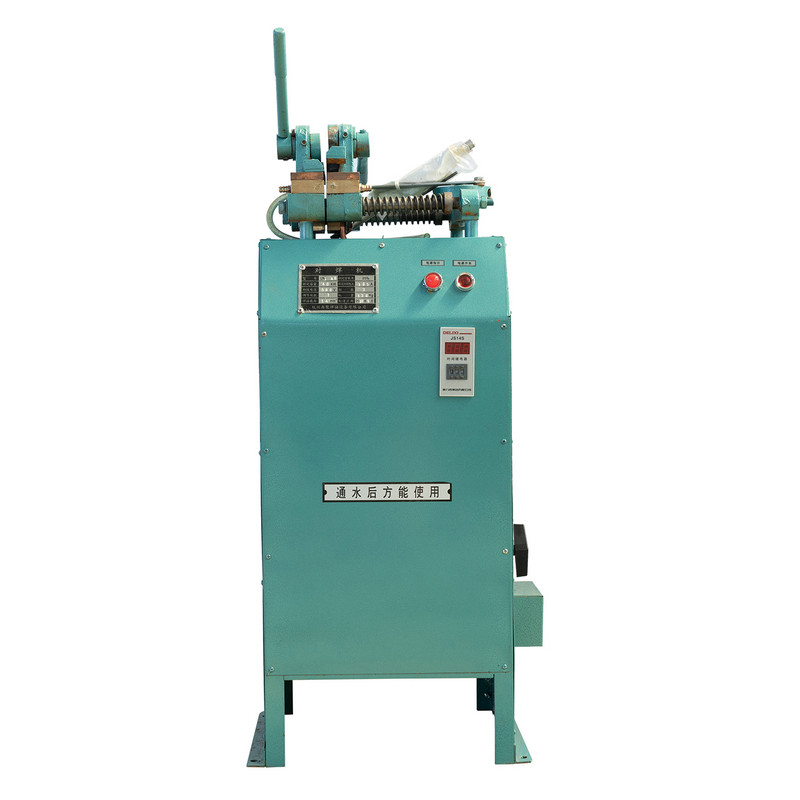
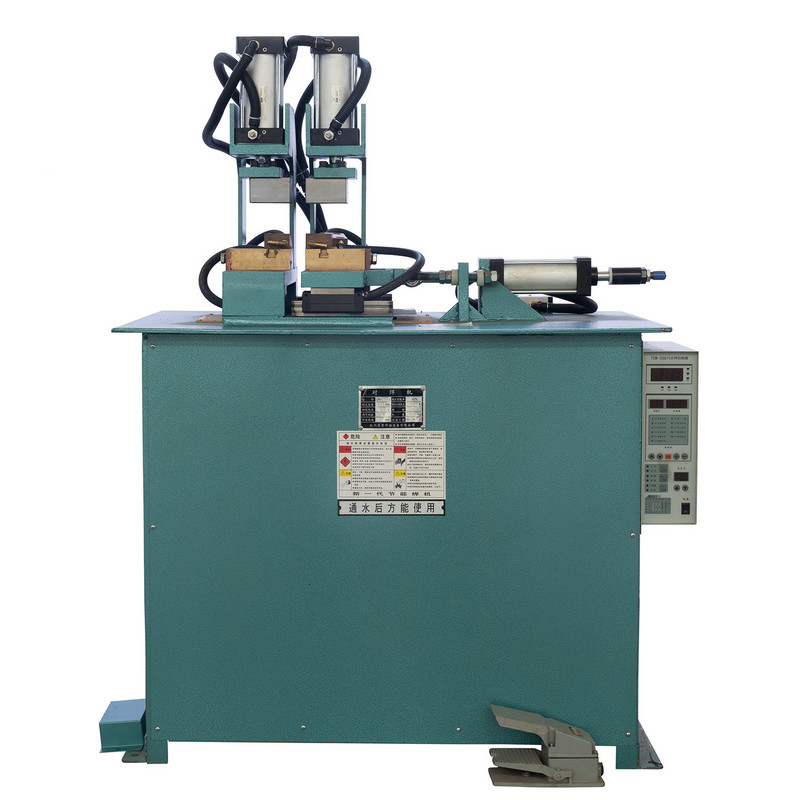
The Adjustable Welding Time Pedal Spot Welding Machine is an essential tool for a variety of industries, providing precision in welding processes where control over time is critical. As the name suggests, this type of welder offers the ability to adjust the welding time, enabling operators to tailor the process to the specific needs of the materials being welded. Understanding the typical welding time range of such machines is crucial for maximizing efficiency and ensuring consistent, high-quality welds.
In this article, we will explore the factors that influence welding time, the typical time ranges for these machines, and the benefits of having adjustable welding time controls. By the end of this guide, you’ll have a comprehensive understanding of how to optimize welding time for your specific applications, whether you’re working with thin sheet metal, heavy-duty materials, or complex welding assemblies.
Welding time refers to the duration during which current flows through the materials being welded. This period is essential for achieving proper fusion between the workpieces. The welding time for adjustable pedal spot welders is not fixed; it can be adjusted based on the thickness of the materials, the type of weld required, and the machine’s settings.
There are several factors that influence the necessary welding time, including:
By adjusting these settings, the welder can achieve the right balance of heat and pressure, ensuring strong and consistent welds.
The range of welding times for adjustable pedal spot welders can vary based on the type of machine and the application at hand. Typically, welding times can be adjusted from a few milliseconds to several seconds, depending on the factors mentioned earlier.
For thin sheet metal applications, welding times are usually on the shorter end of the spectrum, typically around 10 to 100 milliseconds. This quick welding time ensures that the materials are fused without causing excessive heat buildup or warping.
For thicker materials, the welding time may extend to 200 milliseconds to several seconds, providing enough time for the heat to penetrate and create a strong, durable bond. The machine’s settings can be adjusted to accommodate these variations, with operators selecting the appropriate welding time based on material type and thickness.
The ability to adjust welding time allows for flexibility in production, improving both efficiency and the quality of the final weld. It is essential to note that excessively long welding times can lead to overheating, while too short a duration may result in weak or incomplete welds. Therefore, adjusting the time to meet the material requirements is a key factor in ensuring optimal weld quality.
Several factors influence how long the welding time should be for each weld. These include:
As mentioned previously, the type and thickness of the material being welded are the primary determinants of welding time. Soft metals such as aluminum and copper require shorter welding times compared to harder metals like steel or titanium. Similarly, thin materials, such as light gauge sheet metal, need shorter welding times to avoid burn-through, while thicker materials require longer periods to ensure the heat penetrates sufficiently.
Electrode pressure plays a critical role in the welding process. Higher electrode pressure can lead to faster heat transfer, requiring shorter welding times. Conversely, lower pressure may require longer welding times to achieve proper fusion between the materials. Achieving the right balance of pressure and time is key to creating strong, reliable welds.
Welding time can also be influenced by the machine’s power settings. Machines that allow operators to adjust current and voltage can create more customized welding conditions. A higher current typically reduces the required welding time, while a lower current may necessitate longer weld durations.
The ability to adjust the welding time on a pedal spot welder offers several key advantages, including:
Adjustable welding time pedal spot welders are used in a wide range of industries, from automotive manufacturing to electronics assembly. Here are some examples of how adjustable welding time is applied in different sectors:
In automotive manufacturing, the ability to adjust welding time is crucial when working with different metal gauges. For example, a thicker panel may require a longer welding time to ensure a durable bond without compromising the integrity of the metal. Adjustable settings allow operators to weld parts efficiently while minimizing the risk of defects.
In electronics assembly, precise control over welding time is essential to prevent damage to sensitive components. For example, when spot welding circuit boards, the time must be carefully controlled to avoid excessive heat, which could damage the components. Adjustable welding time helps meet the stringent requirements of electronic product manufacturing.
A1: The typical welding time for an adjustable pedal spot welder ranges from 10 milliseconds for thin materials to several seconds for thicker, more durable materials.
A2: Welding time can be adjusted by modifying the machine's current, voltage, and pressure settings. Most adjustable pedal spot welders come with dials or digital interfaces that allow users to fine-tune these parameters to match the material and application.
A3: Adjusting welding time is important to ensure that the materials are fused properly without overheating or causing burn-through. Different materials and thicknesses require varying amounts of time to achieve optimal welds.
Recommended Products

Product
Contact Info.
+86-152-5712-5882
Fax: +86-563-2269966
No. 21 Guangping Road, Guangde Economic Development Zone, Guangde City, Anhui Province
QR Code