Language
 English
 русский
 Español


You are setting up a small fabrication shop, and a customer asks whether you can weld 1/8-inch mild steel and also handle some outdoor repair work. T...
READ MORE
Get A Quote
CATEGORIES

Parameters:
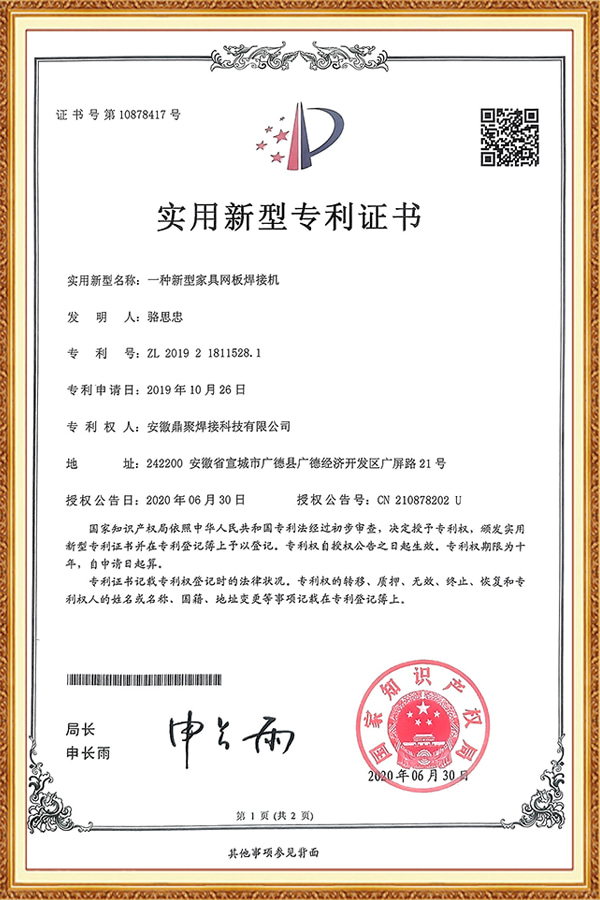
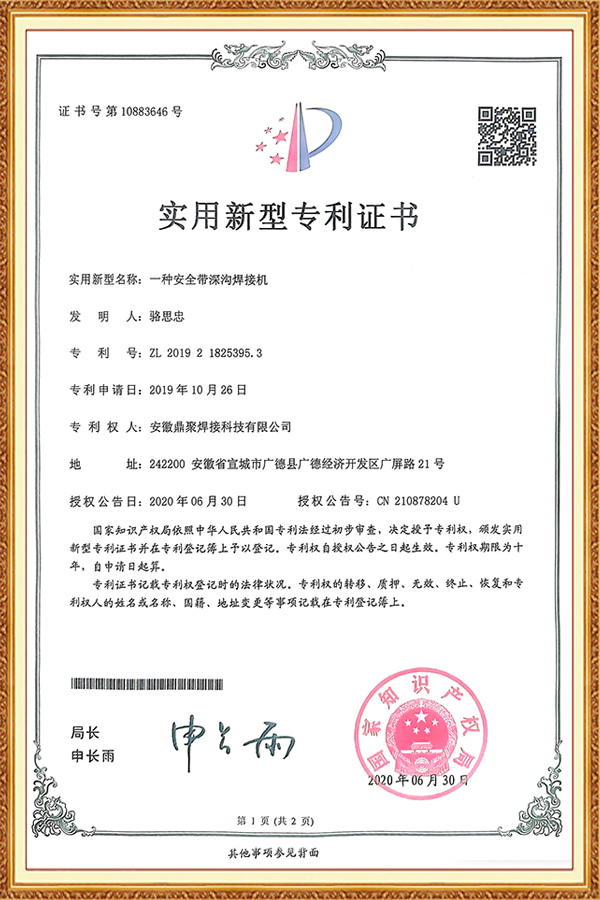
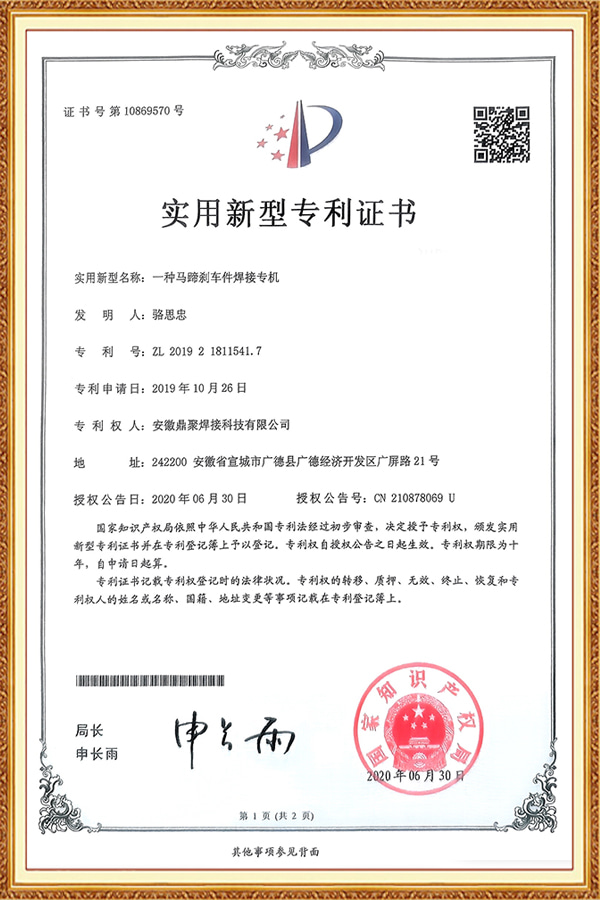
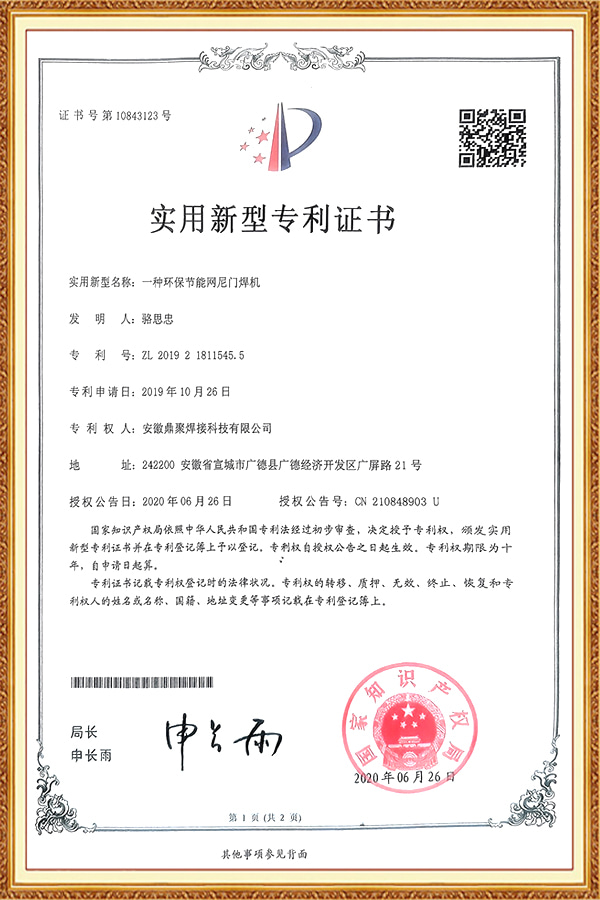
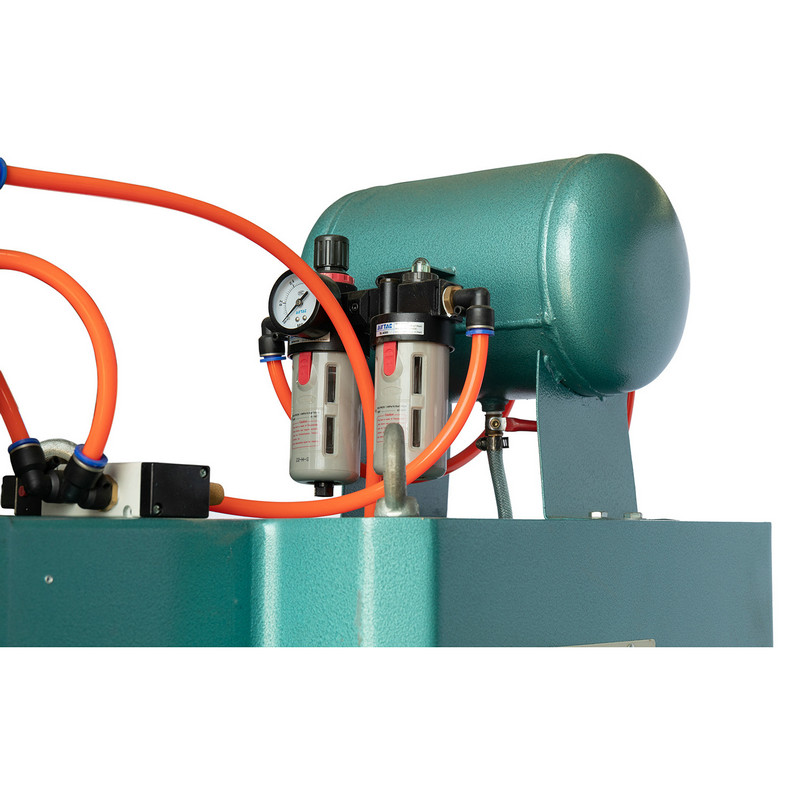
You are setting up a small fabrication shop, and a customer asks whether you can weld 1/8-inch mild steel and also handle some outdoor repair work. T...
READ MORE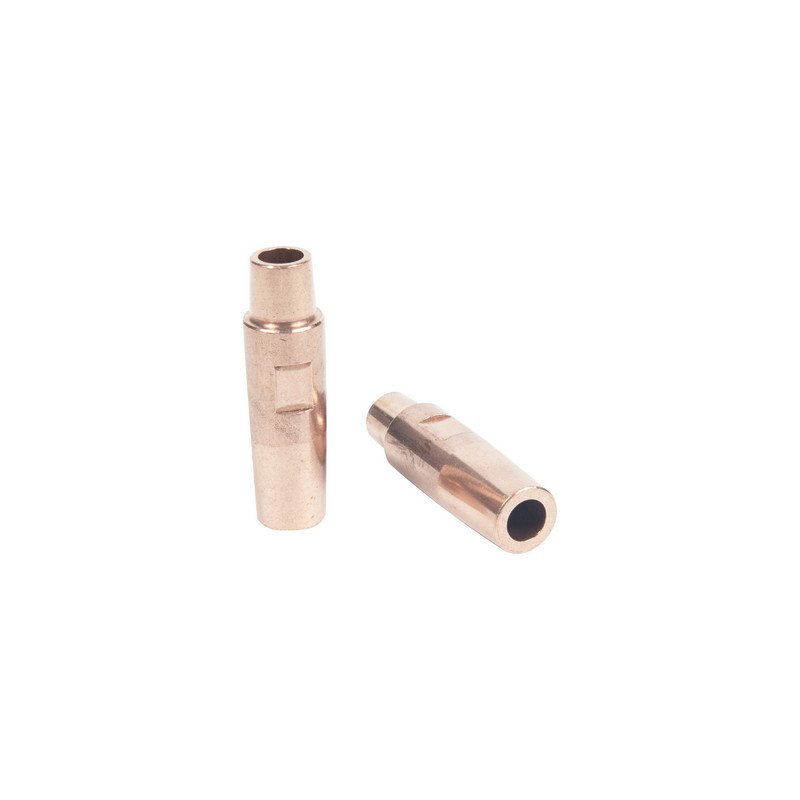
Welding electrodes are not interchangeable. The copper-alloy tip that makes a clean spot weld on stainless steel will burn up quickly if you use it o...
READ MORE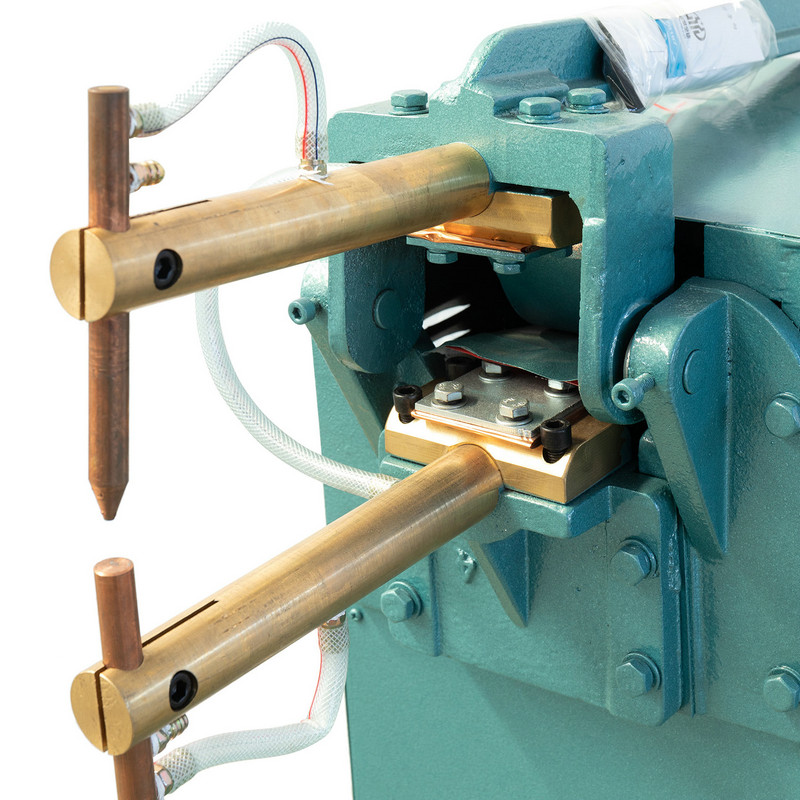
Every weld is a production decision. When you choose an electrical welding machine, you are really choosing how to balance weld quality, cycle time, ...
READ MORE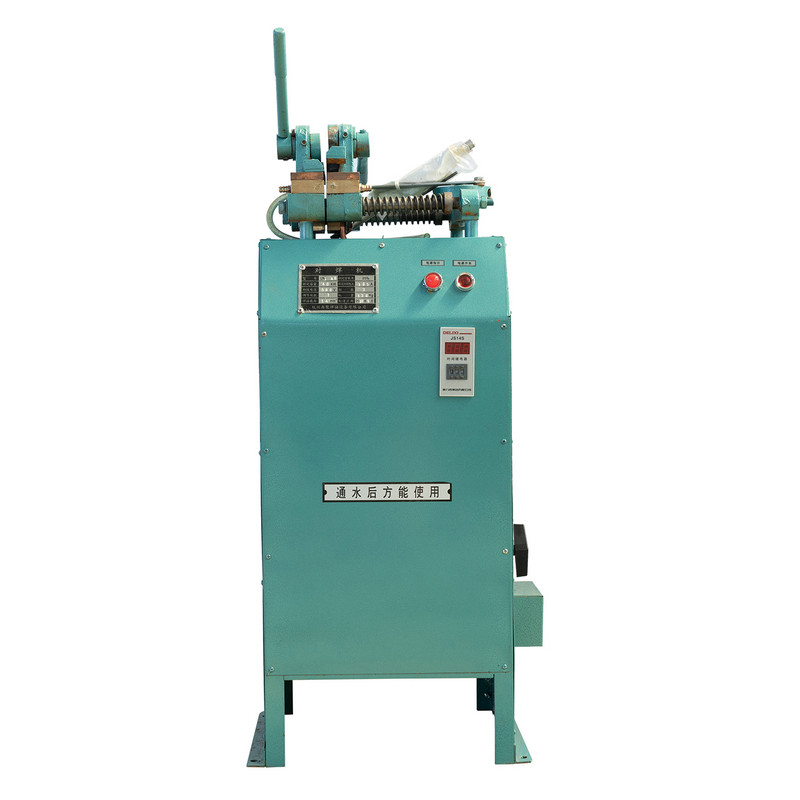
Understanding Resistance Butt Welding and the Role of Flash Weld Technology Joining two metal bar ends face to face without filler material is one of...
READ MORE
Understanding Stud Spot Welding Technology Today Fastening components to metal panels without drilling or riveting has become a standard requirement ...
READ MOREWhat should be paid attention to in the maintenance and care of Welding Robot Arm?
The maintenance and care of Welding Robot Arm are the key to ensure their long-term stable operation and efficient work. Here are some important maintenance and care items:
1. Regular inspection and cleaning
External cleaning: Clean the outside of the robot regularly to remove dust, oil and welding slag to avoid affecting the performance of sensors and moving parts.
Internal inspection: Check the internal parts to ensure that there is no debris or smoke deposits generated by welding, which will affect the internal electronic components and circuits.
2. Lubrication
Joint lubrication: Lubricate the joints and bearings of the robot regularly according to the manufacturer's recommendations to reduce wear and friction.
Use appropriate lubricants: Select suitable lubricants and apply them according to the recommended frequency and method.
3. Check the electrical system
Cables and connections: Check cables, joints and connectors regularly to ensure that there is no wear, breakage or corrosion.
Power system: Check the power supply to ensure stable power supply and replace the problematic power module in time.
4. Calibration and debugging
Regular calibration: Calibrate the robot regularly to ensure its accuracy and repeatability, especially after long-term use.
Debugging procedures: Regularly check and update control procedures to adapt to changes in production requirements.
5. Sensor and vision system maintenance
Sensor cleaning: Regularly clean the sensors on the welding robot to ensure their accuracy and reliability.
Visual system calibration: If the robot is equipped with a vision system, it needs to be calibrated regularly to ensure the accuracy of image processing and positioning.
6. Monitoring and recording
Operation data monitoring: Use the monitoring system to track the operating status of the robot and detect abnormalities in time.
Maintenance records: Keep detailed maintenance and servicing records to facilitate tracking of historical maintenance and evaluation of equipment conditions.
7. Operation training
Staff training: Ensure that operators receive adequate training and understand the correct operation and maintenance procedures to reduce failures caused by improper operation.
8. Replace worn parts
Regularly check wear: Regularly check the key components of the robot, such as welding guns, nozzles and electrodes, and replace worn parts in time.
9. Preventive maintenance
Develop a maintenance plan: According to the frequency of use and working environment, develop a reasonable preventive maintenance plan and perform regular inspections and maintenance.

Product
Contact Info.
+86-152-5712-5882
Fax: +86-563-2269966
No. 21 Guangping Road, Guangde Economic Development Zone, Guangde City, Anhui Province
QR Code
