Language
 English
 русский
 Español

You are setting up a small fabrication shop, and a customer asks whether you can weld 1/8-inch mild steel and also handle some outdoor repair work. T...
READ MORE
Get A Quote
CATEGORIES

Parameters:
Parameters:
Parameters:
Parameters:
Parameters:
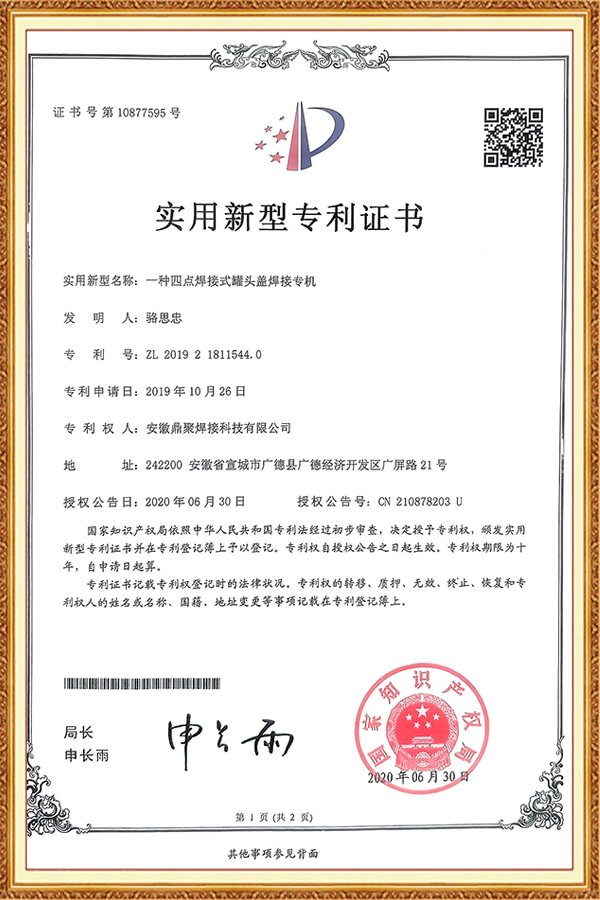
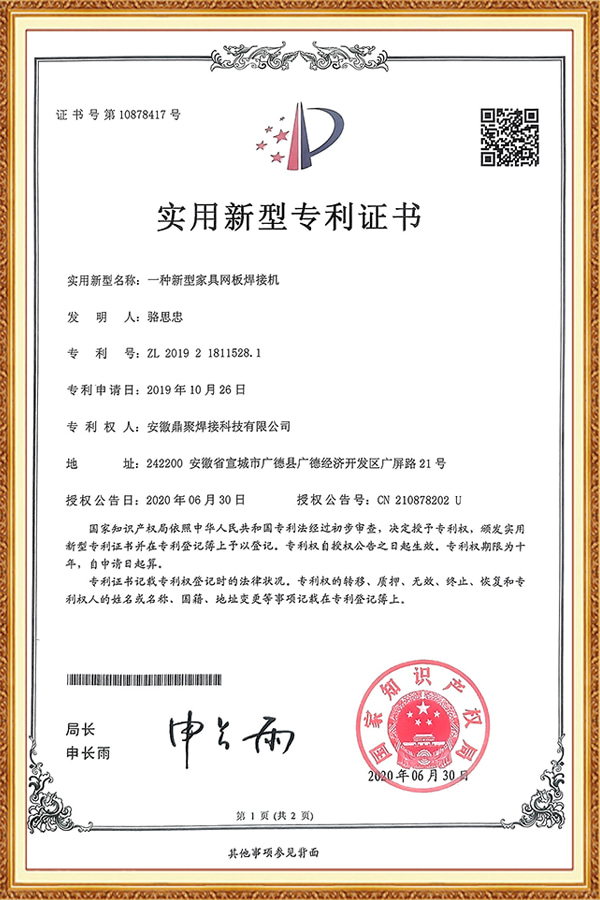
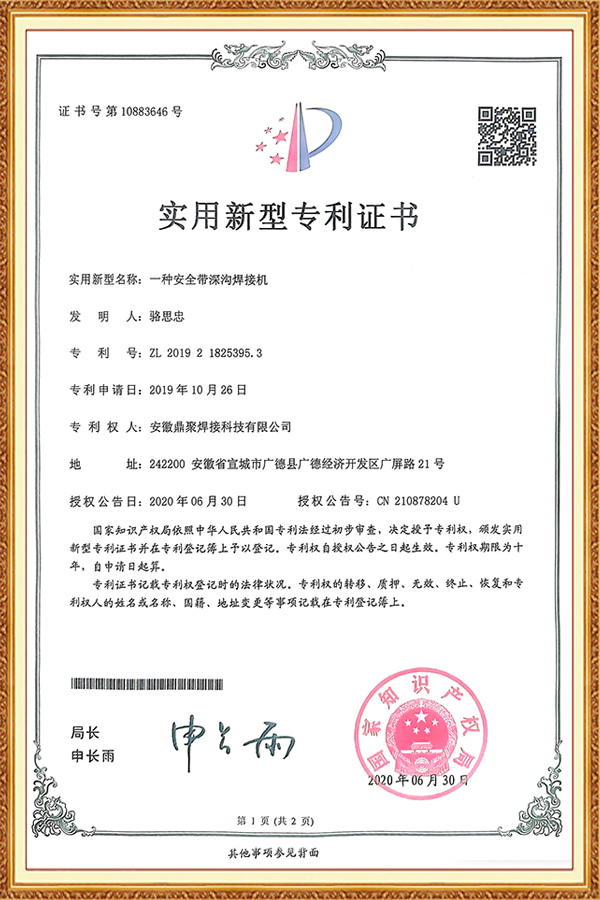
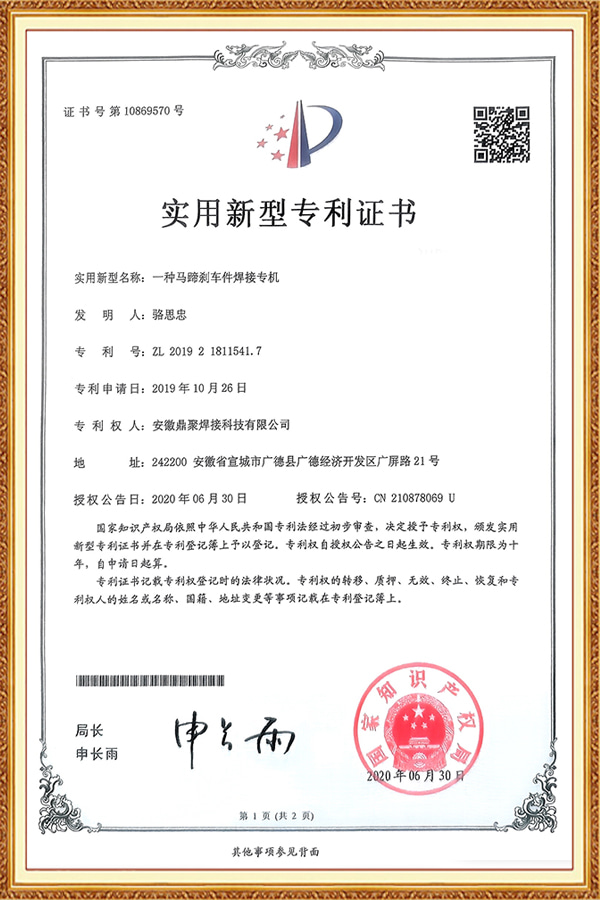
You are setting up a small fabrication shop, and a customer asks whether you can weld 1/8-inch mild steel and also handle some outdoor repair work. T...
READ MORE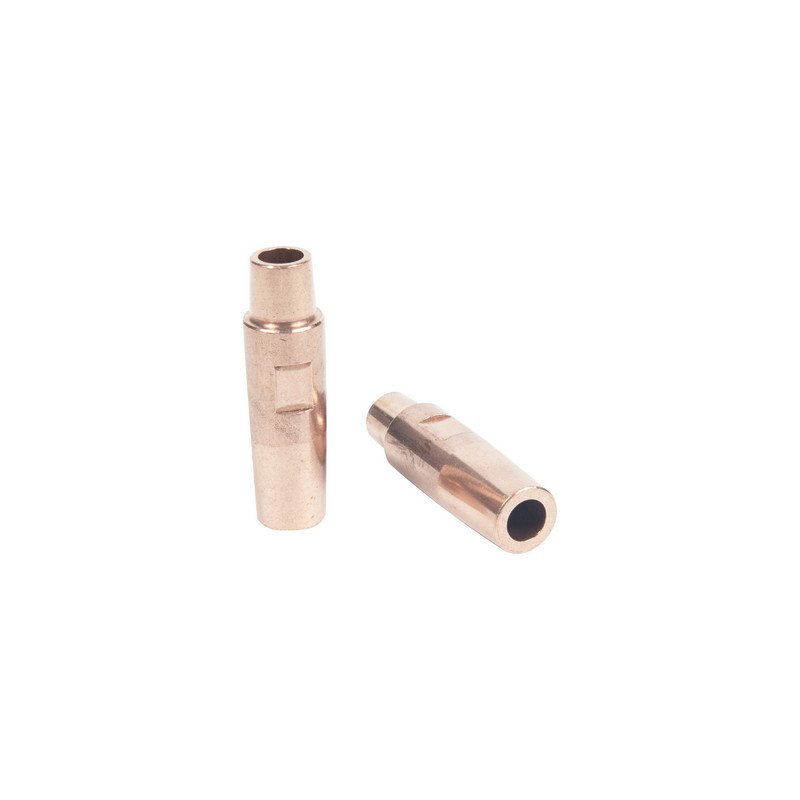
Welding electrodes are not interchangeable. The copper-alloy tip that makes a clean spot weld on stainless steel will burn up quickly if you use it o...
READ MORE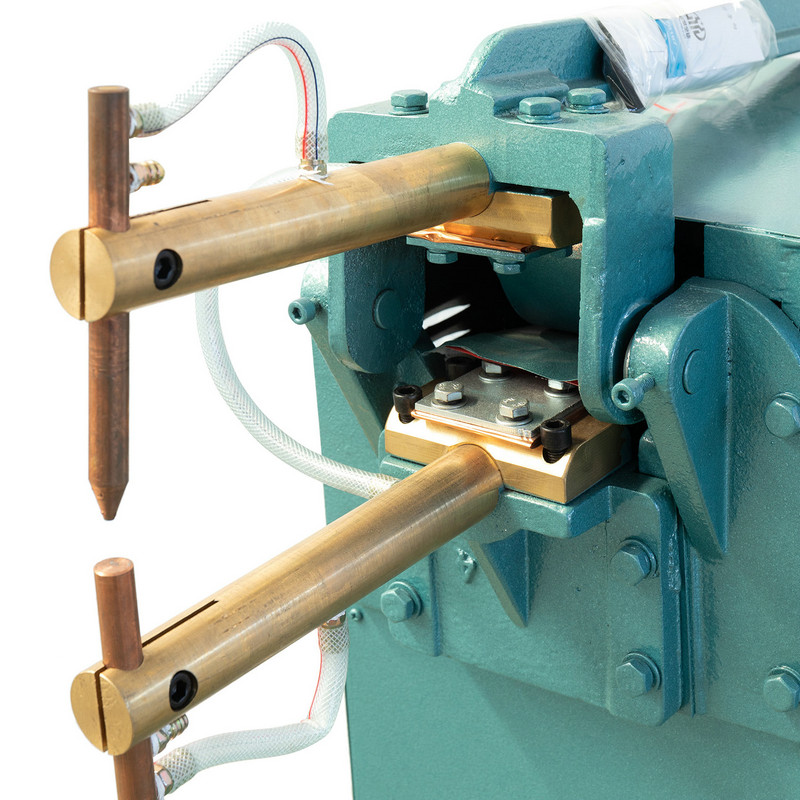
Every weld is a production decision. When you choose an electrical welding machine, you are really choosing how to balance weld quality, cycle time, ...
READ MORE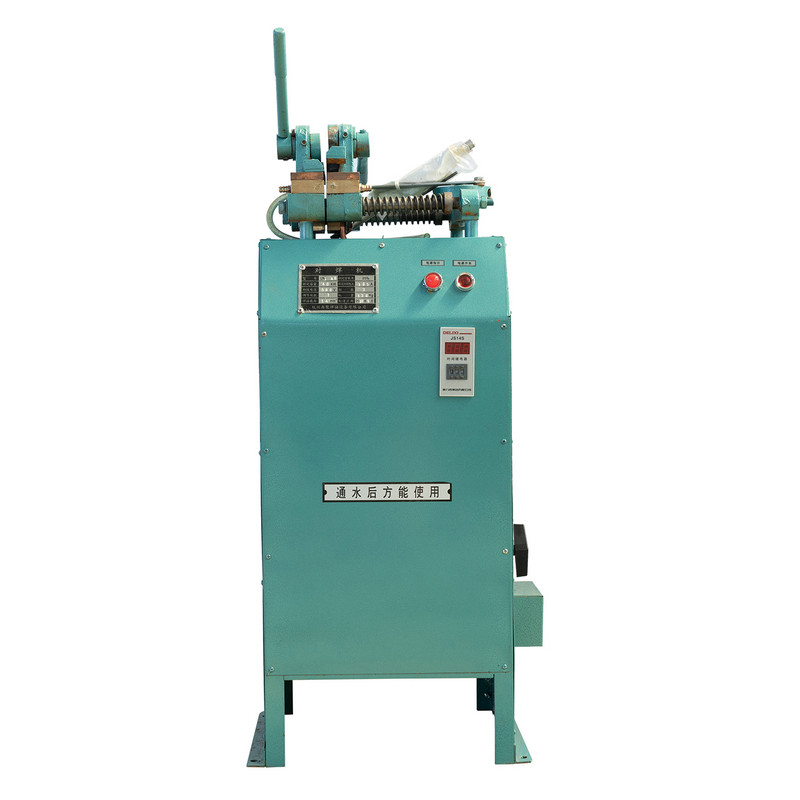
Understanding Resistance Butt Welding and the Role of Flash Weld Technology Joining two metal bar ends face to face without filler material is one of...
READ MORE
Understanding Stud Spot Welding Technology Today Fastening components to metal panels without drilling or riveting has become a standard requirement ...
READ MOREWelding rod: How does it play a vital role in the metal welding process?
In the vast field of metal processing and manufacturing, welding technology, as a bridge connecting various metal materials, undoubtedly occupies a pivotal position. And in this precise and complex game of metal bonding, welding rods are an indispensable player. So, how exactly do welding rods play a vital role in the metal welding process?
Welding rods, also known as welding rods, usually consist of two parts: a metal core and a coating. The metal core, as a filler material during welding, is responsible for forming a new metal connection in the weld. The coating, like a smart assistant, plays multiple roles in the welding process: generating gas to protect the weld and prevent metal oxidation at high temperatures; providing alloy elements required for metallurgical reactions to improve the mechanical properties of the weld; and helping welders stabilize the arc and improve the convenience of welding operations.
In the world of welding rods, there are many types, each with its own advantages. From common low-carbon steel welding rods and stainless steel welding rods to nickel-based alloy welding rods specifically used in high-temperature environments, to special welding rods with special properties such as corrosion resistance and high strength, each welding rod is designed with its specific application scenarios and advantages. Choosing the right welding rod means optimizing production efficiency and reducing costs while ensuring welding quality.
When the welder ignites the arc, a hot bridge is established between the welding rod and the workpiece. At this time, the metal core of the welding rod begins to melt, fills into the weld, and tightly combines with the workpiece metal. At the same time, the coating reacts quickly, releasing gas to form a protective layer to prevent the weld from being damaged by harmful gases such as oxygen and nitrogen in the air. This process not only ensures the strength and sealing of the weld, but also greatly improves the overall performance of the welded joint.
But the role of welding rods is far more than that. In some special welding scenarios, such as surfacing and repair welding, welding rods play an indispensable role. For example, when repairing worn journals or gears, the selection of suitable cladding electrodes can restore the original size and performance without removing the entire component, thereby greatly extending the service life of the equipment.
Of course, to fully realize the potential of welding rods, it is inseparable from the professional skills and experience of welders. From selecting appropriate welding parameters, to accurately controlling arc length and welding speed, to cleaning and inspecting welds, each link requires rigorous operation and careful observation by welders. Only in this way can we ensure that welding rods can perform at their best during the welding process.
With the continuous advancement and innovation of welding technology, the types and performance of welding rods are also constantly improving. For example, some new welding rods use advanced alloy compositions and coating technologies, which not only improve the mechanical properties and corrosion resistance of welded joints, but also reduce energy consumption and pollution during welding. These innovative achievements have not only promoted the development of the welding industry, but also provided strong support for the transformation and upgrading of the manufacturing industry.

Product
Contact Info.
+86-152-5712-5882
Fax: +86-563-2269966
No. 21 Guangping Road, Guangde Economic Development Zone, Guangde City, Anhui Province
QR Code
