Language
 English
 русский
 Español

You are setting up a small fabrication shop, and a customer asks whether you can weld 1/8-inch mild steel and also handle some outdoor repair work. T...
READ MORE
Get A Quote
CATEGORIES
Parameters:
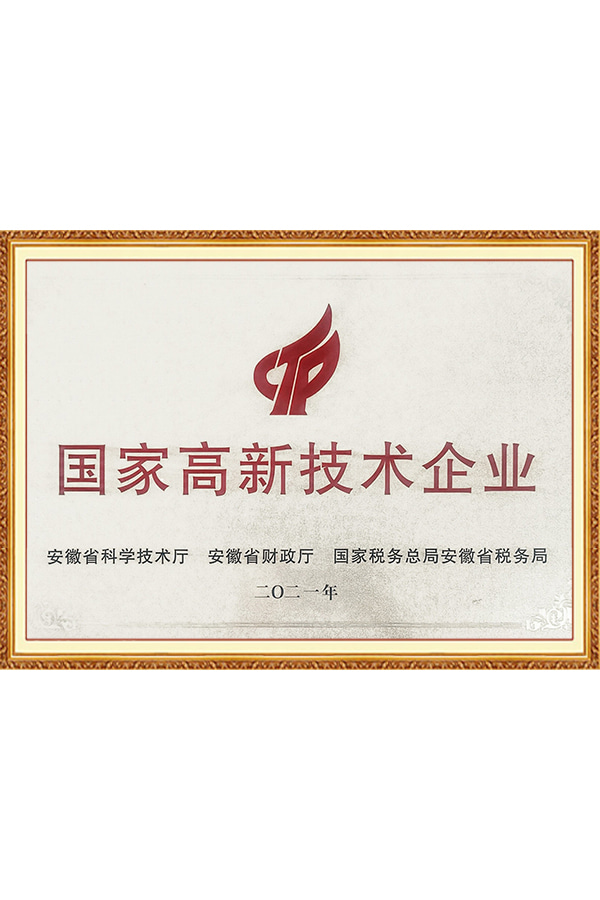
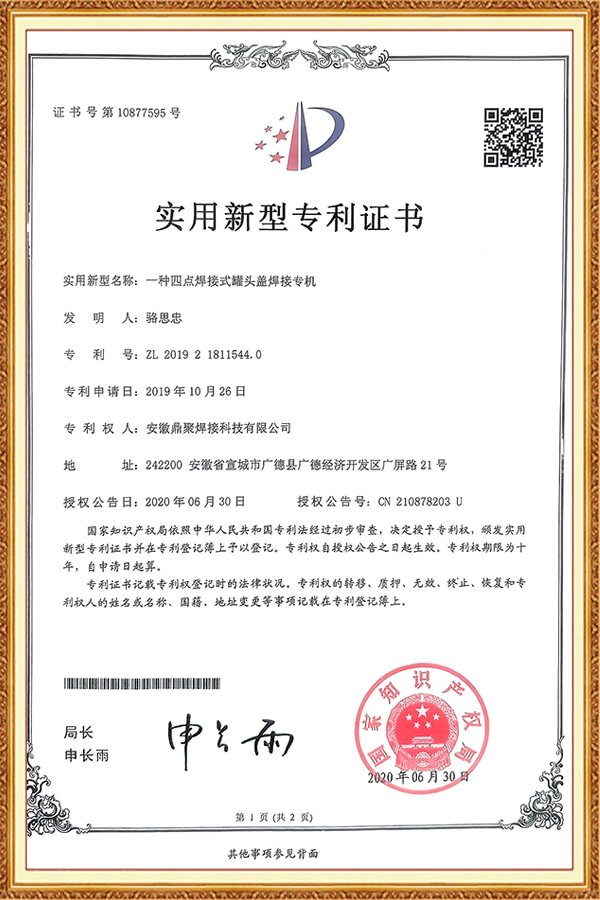
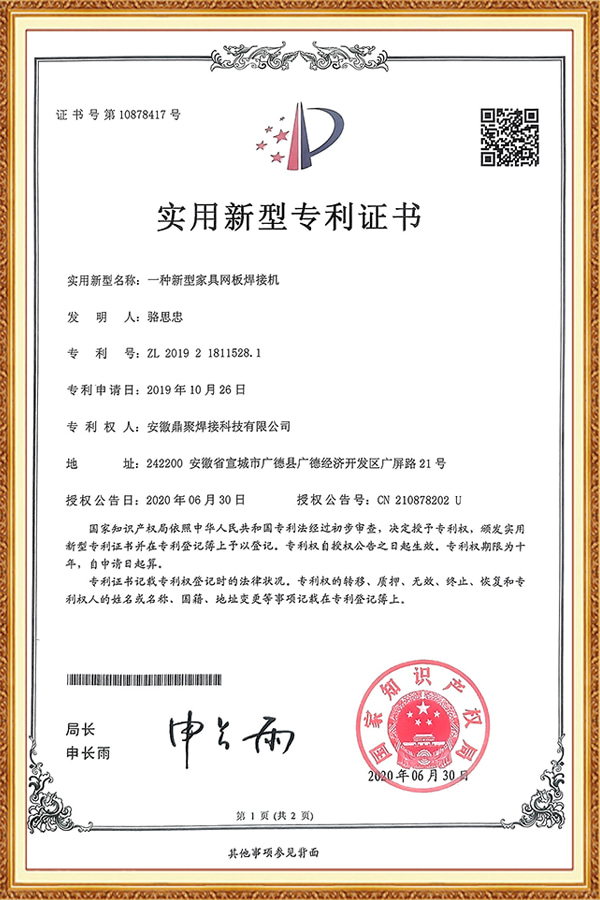
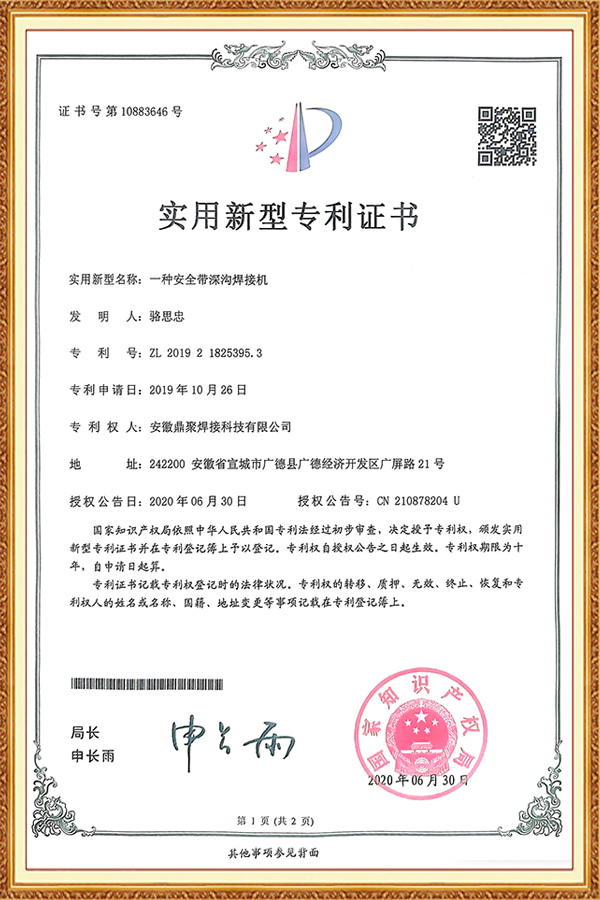
You are setting up a small fabrication shop, and a customer asks whether you can weld 1/8-inch mild steel and also handle some outdoor repair work. T...
READ MORE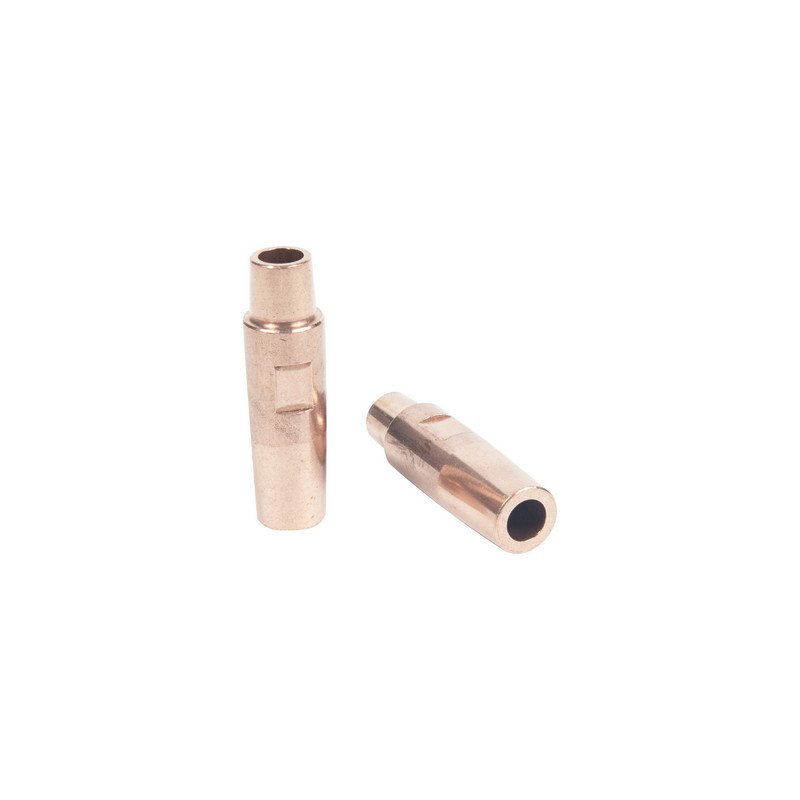
Welding electrodes are not interchangeable. The copper-alloy tip that makes a clean spot weld on stainless steel will burn up quickly if you use it o...
READ MORE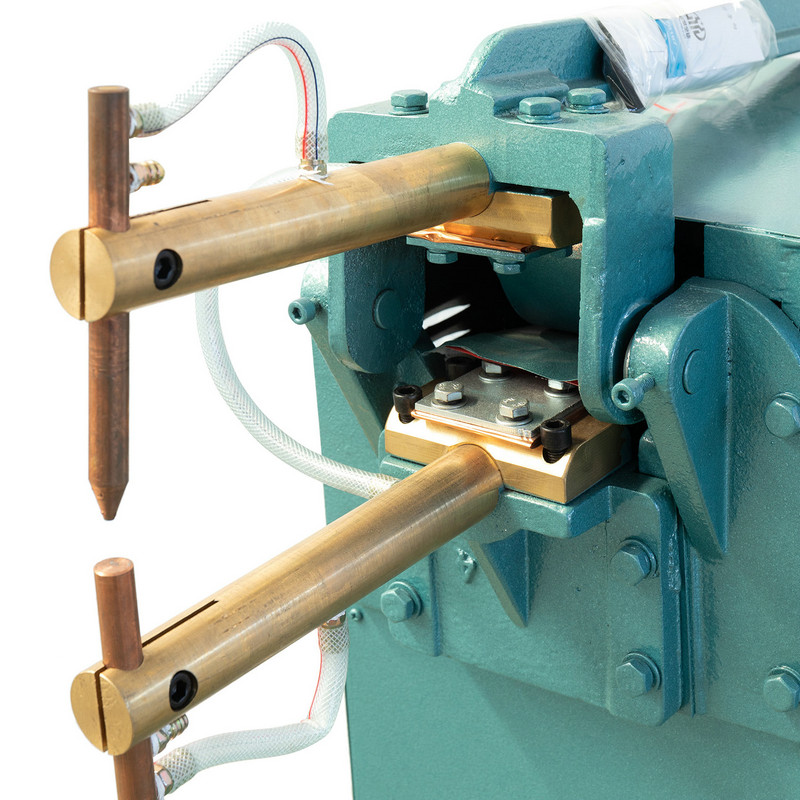
Every weld is a production decision. When you choose an electrical welding machine, you are really choosing how to balance weld quality, cycle time, ...
READ MORE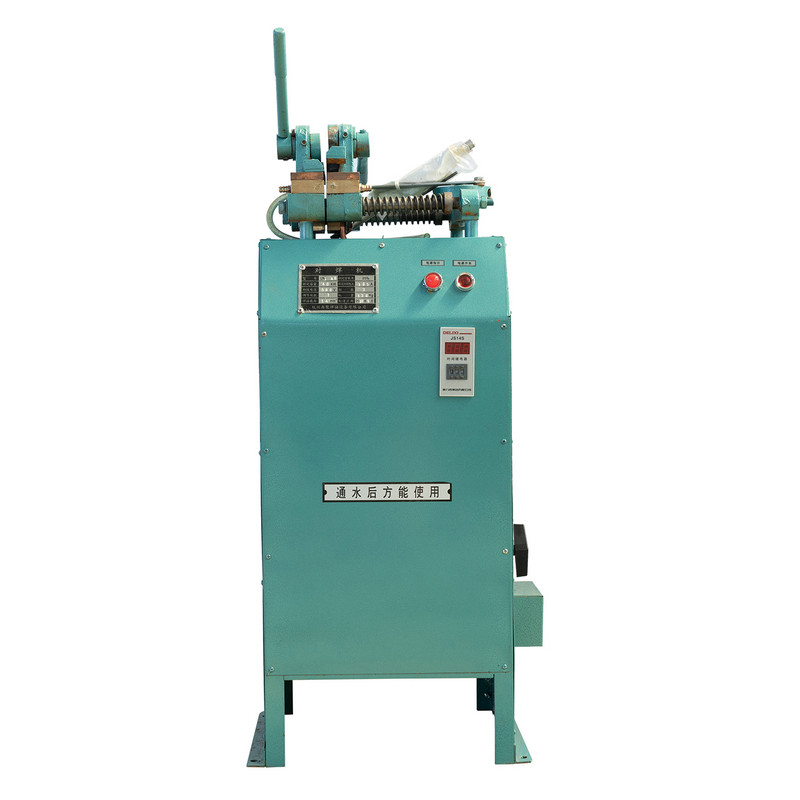
Understanding Resistance Butt Welding and the Role of Flash Weld Technology Joining two metal bar ends face to face without filler material is one of...
READ MORE
Understanding Stud Spot Welding Technology Today Fastening components to metal panels without drilling or riveting has become a standard requirement ...
READ MOREChiller: How to become the core driving force of modern industrial cooling system?
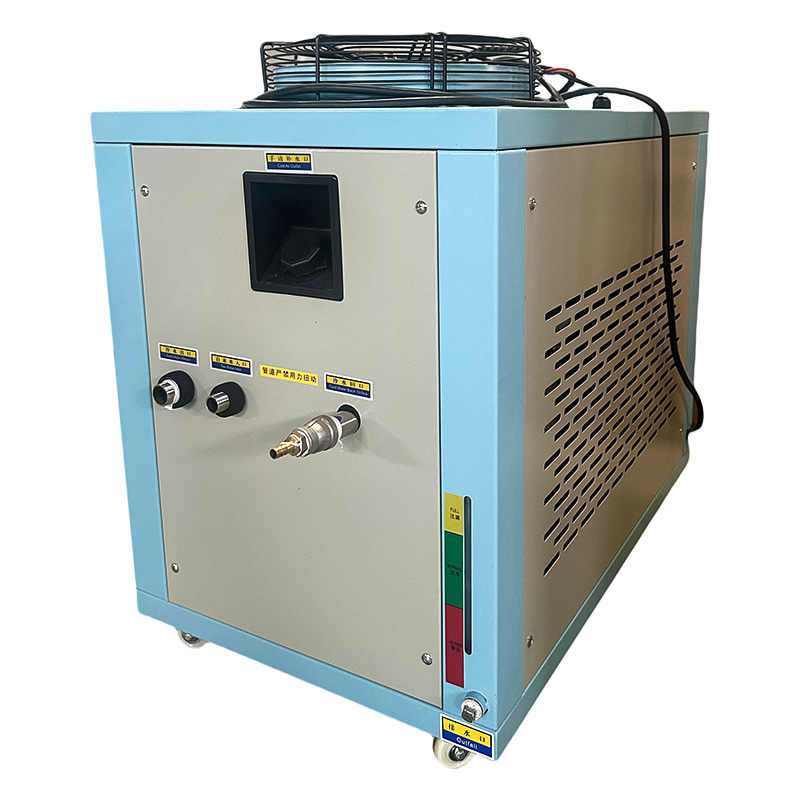
In the field of modern industry, with the rapid development of science and technology and the continuous improvement of production demand, various types of precision equipment and high-performance production lines are emerging in an endless stream. While these devices are operating efficiently, they also generate a lot of heat. If the heat is not dissipated in time, it will not only affect the stability and service life of the equipment, but also may cause serious safety accidents. In this context, the chiller, as an efficient and reliable cooling device, has gradually become the core driving force of modern industrial cooling systems. So, how does the chiller achieve this role?
The working principle of the chiller is relatively simple but very efficient. It mainly achieves cooling of cooling water through the circulation of refrigerant. The refrigerant absorbs the heat of the cooling water in the evaporator and evaporates to form low-temperature and low-pressure steam, which is then compressed into high-temperature and high-pressure gas through the compressor, and then passes through the condenser to transfer the heat to the external environment, and finally returns to the evaporator in liquid form to form a complete cycle. In this process, the cooling water is continuously cooled by the refrigerant, thereby achieving the cooling effect of industrial equipment.
The application field of chillers is extremely wide. In the manufacturing industry, whether it is metal processing, plastic molding or semiconductor production, the temperature of the production environment needs to be strictly controlled to ensure the quality and production efficiency of the products. Chillers can provide stable and precise cooling effects, providing solid protection for these production processes. Chillers also play an indispensable role in industries such as data centers, medical equipment and food processing. Data centers need to keep servers and other equipment running at low temperatures to prevent data loss and hardware damage; medical equipment requires a stable temperature environment to ensure the smooth progress of surgery and the preservation of medicines; during food processing, cooling equipment can ensure the freshness and safety of food.
The advantages of chillers lie not only in their wide range of applications, but also in their continuous technological innovation and performance improvement. With the continuous improvement of modern industry's requirements for cooling systems, chillers are also constantly undergoing technological innovation. The use of more efficient compressor and heat exchanger technology can significantly improve refrigeration efficiency and reduce energy consumption; intelligent control systems can achieve precise control of the cooling process and improve the stability and reliability of the system.
Chillers also need to pay attention to some issues during use. Regular maintenance and care are the key to ensuring the long-term and stable operation of chillers. This includes cleaning the condenser, checking for refrigerant leaks, replacing filters, etc. It is also very important to reasonably select the model and specifications of the chiller. Different production environments and equipment have different requirements for cooling effects, so it is necessary to select according to actual conditions to ensure the best effect of the cooling system.

Product
Contact Info.
+86-152-5712-5882
Fax: +86-563-2269966
No. 21 Guangping Road, Guangde Economic Development Zone, Guangde City, Anhui Province
QR Code
