Language
 English
 русский
 Español


You are setting up a small fabrication shop, and a customer asks whether you can weld 1/8-inch mild steel and also handle some outdoor repair work. T...
READ MORE
Get A Quote
CATEGORIES
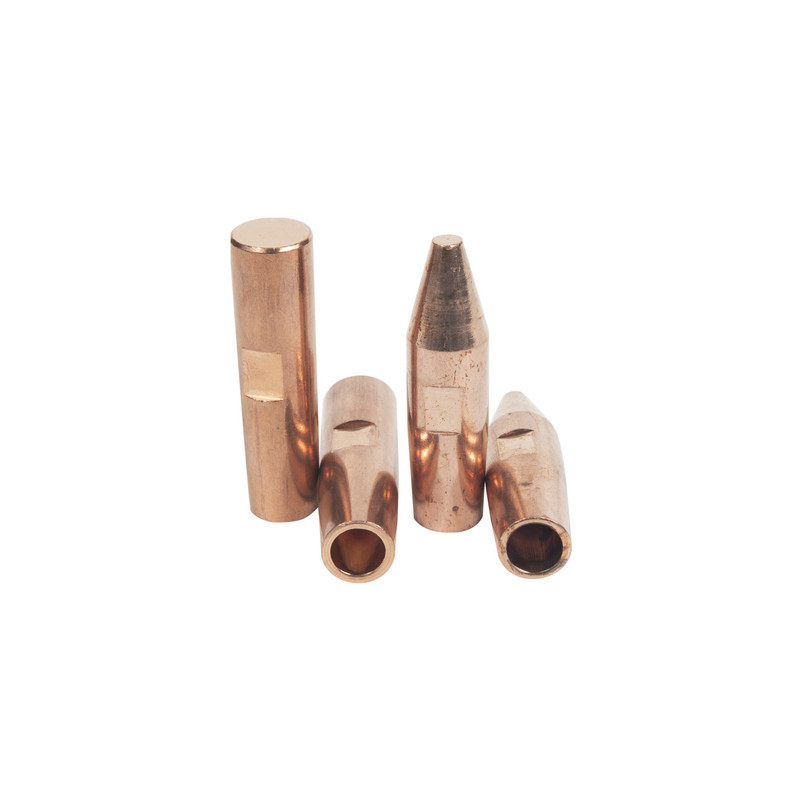
Parameters:
Parameters:
Parameters:
Parameters:
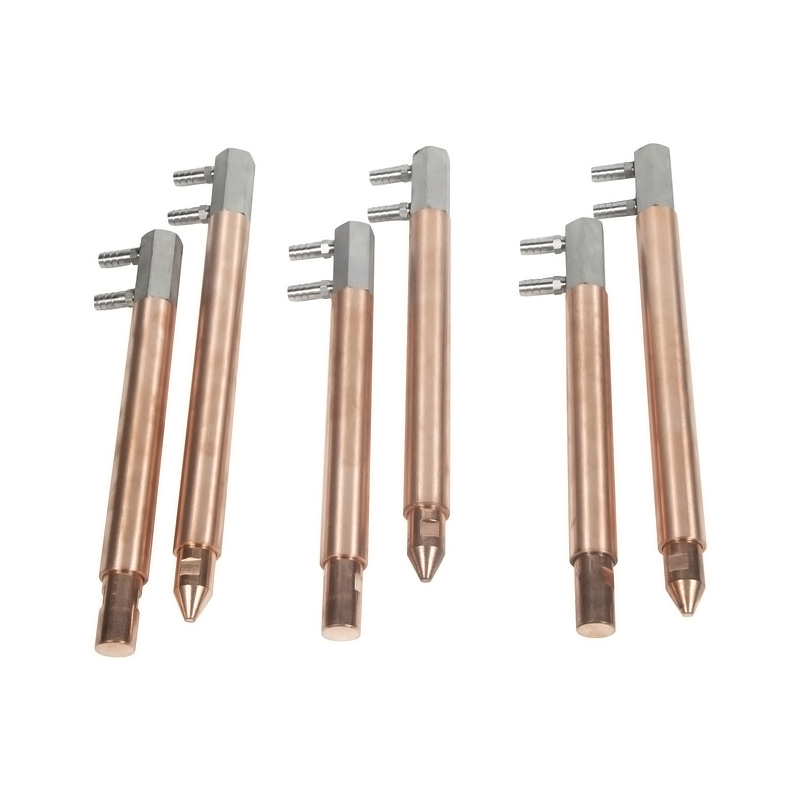
Parameters:
Parameters:
Parameters:
Parameters:

Parameters:
Parameters:
Parameters:
Parameters:

You are setting up a small fabrication shop, and a customer asks whether you can weld 1/8-inch mild steel and also handle some outdoor repair work. T...
READ MORE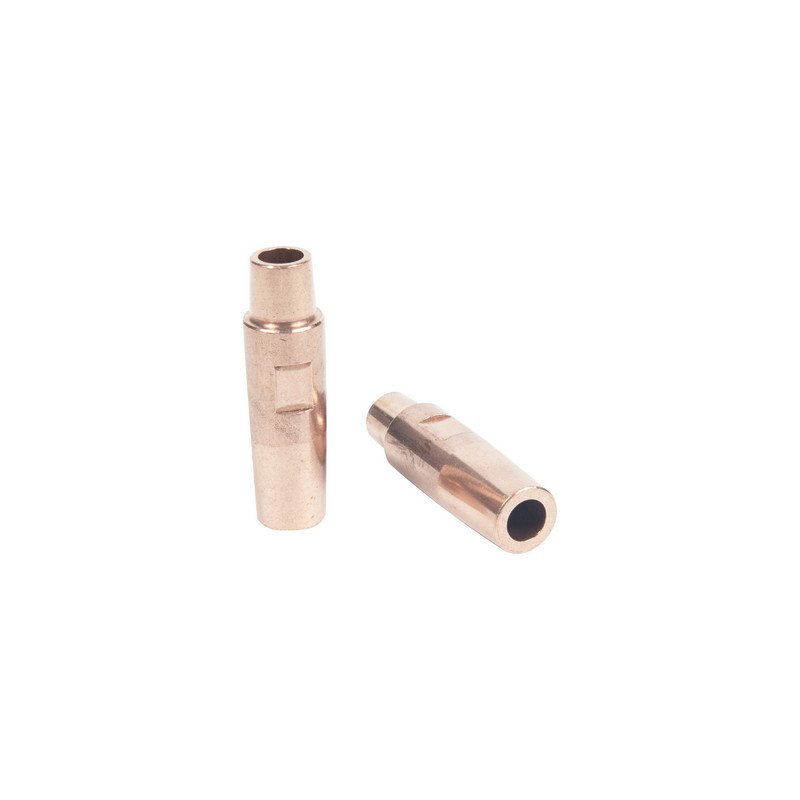
Welding electrodes are not interchangeable. The copper-alloy tip that makes a clean spot weld on stainless steel will burn up quickly if you use it o...
READ MORE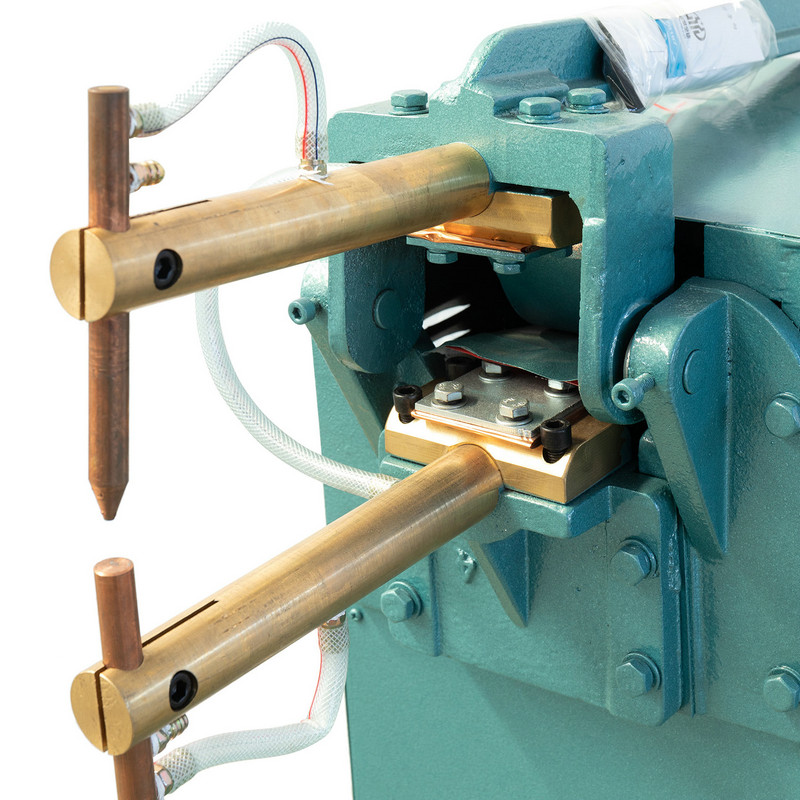
Every weld is a production decision. When you choose an electrical welding machine, you are really choosing how to balance weld quality, cycle time, ...
READ MORE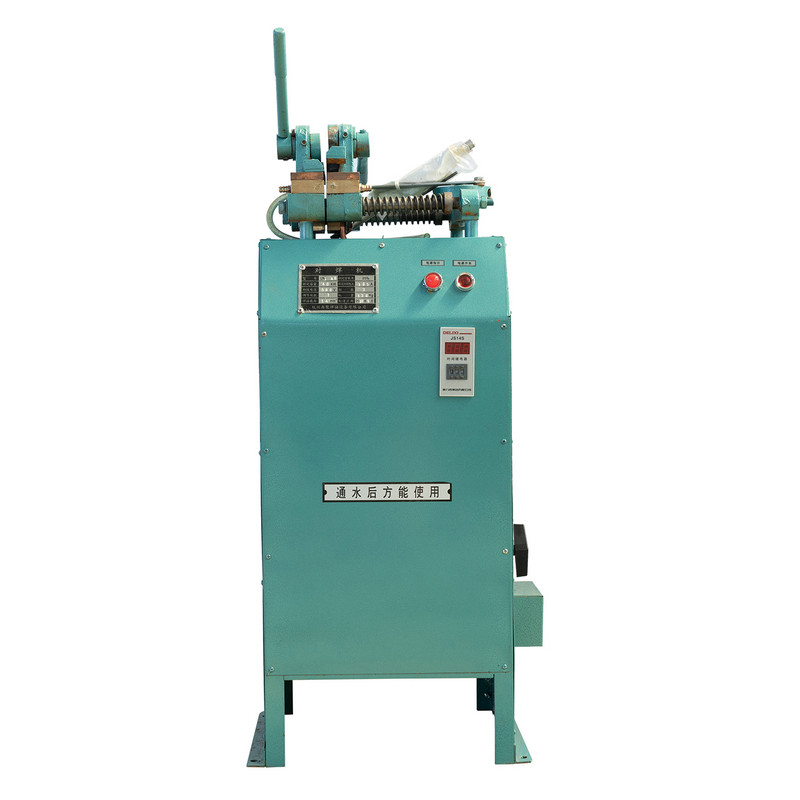
Understanding Resistance Butt Welding and the Role of Flash Weld Technology Joining two metal bar ends face to face without filler material is one of...
READ MORE
Understanding Stud Spot Welding Technology Today Fastening components to metal panels without drilling or riveting has become a standard requirement ...
READ MOREWhat are the common types of welding accessories?
There are many types of welding accessories. Here are some common welding accessories and their brief descriptions:
Welding Fixtures: Used to fix and support the workpiece to ensure that it maintains the correct position and alignment during the welding process.
Welding Positioners: Help welding operators to weld more conveniently by rotating and tilting the workpiece, improving welding quality and efficiency.
Welding Helmets: Protect welders' eyes and faces from strong light, spatter and heat.
Welding Cables: Connect the welder to the welding workpiece to ensure the efficiency and safety of current transmission.
Welding Nozzles: Used to protect the welding wire and arc, commonly used in gas shielded welding (such as MIG welding).
Welding Electrodes: Used in arc welding, the electrode melts under the heat of the arc and forms a weld.
Welding Flux: Used to protect the welding area, prevent oxidation and promote the flow of weld metal.
Welding Hammers: used to remove slag from the weld surface or adjust the position of the welded parts.
Welding Pliers: used to clamp and fix welding materials to ensure stability during welding.
Welding Gas Cylinders: used to store and supply gases required for welding, such as argon, carbon dioxide, etc.
How to maintain and care welding accessories?
Maintaining and caring for welding accessories is an important measure to ensure their normal operation, extend their service life and improve welding quality. Here are some suggestions for the maintenance and care of welding accessories:
1. Regular inspection
Appearance inspection: Regularly check whether the welding accessories are worn, damaged or corroded, and replace damaged parts in time.
Functional inspection: Ensure that all moving parts (such as fixtures, positioners) can operate smoothly without jamming.
2. Cleaning
Remove welding slag and dirt: Use a brush or compressed air to regularly clean welding slag, dust and oil on welding accessories.
Keep dry: Ensure that welding accessories are kept dry during storage and use to prevent rust and corrosion.
3. Lubrication
Regularly lubricate moving parts: such as fixtures, positioners, etc., use appropriate lubricants to ensure their smooth movement.
Avoid excessive lubrication: Avoid excessive lubrication to prevent oil from contaminating the welding area.
4. Proper storage
Moisture-proof storage: Store welding accessories in a dry and ventilated environment to prevent moisture.
Avoid shock: Avoid heavy pressure or severe collision during storage to ensure that accessories are not damaged.
5. Operating specifications
Follow the operating manual: When using welding accessories, strictly follow the manufacturer's operating instructions to avoid damage caused by improper use.
Train operators: Ensure that all operators are professionally trained to understand how to properly use and maintain welding accessories.
6. Regular calibration
Calibrate equipment such as welding positioners: Check their accuracy regularly to ensure that they can maintain correct positioning during the welding process.

Product
Contact Info.
+86-152-5712-5882
Fax: +86-563-2269966
No. 21 Guangping Road, Guangde Economic Development Zone, Guangde City, Anhui Province
QR Code
