Language
 English
 русский
 Español

Get A Quote
Get A Quote
 Home / Equipment / DTN Pneumatic Spot Welding Machine / DTN2 Pneumatic Spot Welding Machine / DTN2 -125KW microcomputer controlled pneumatic spot welder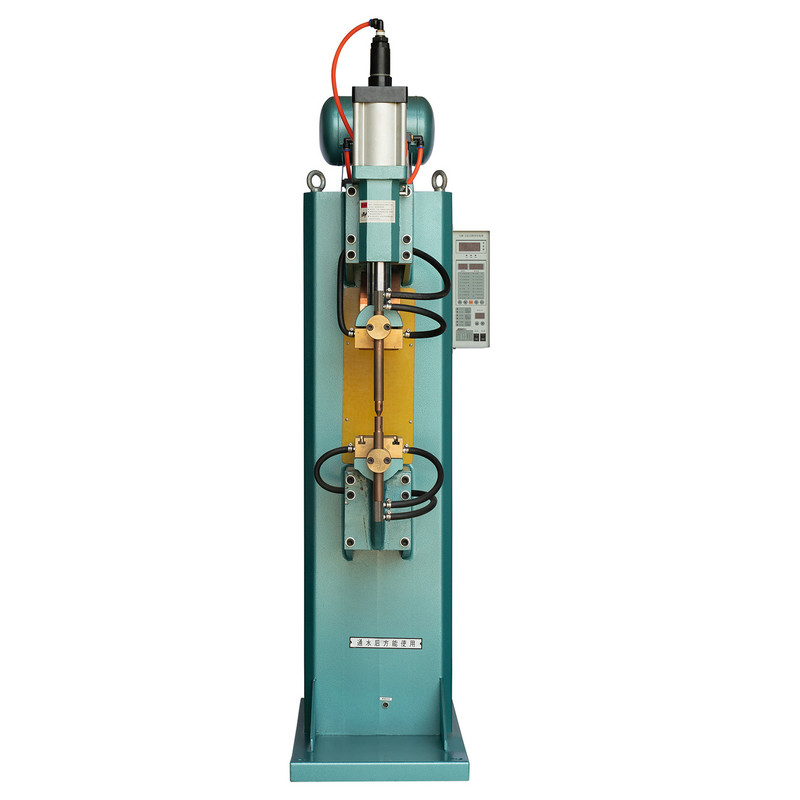
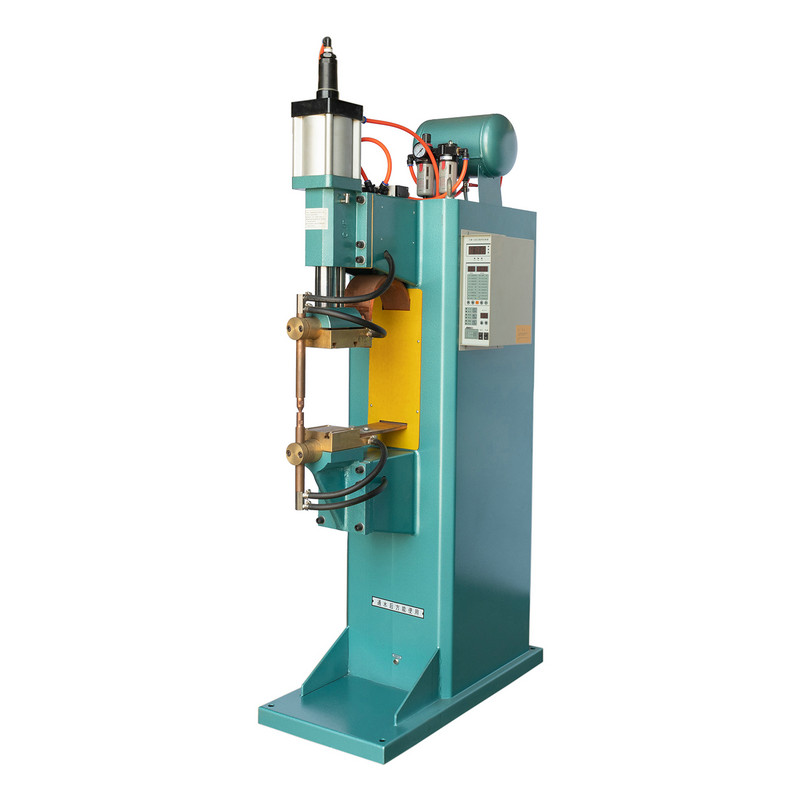
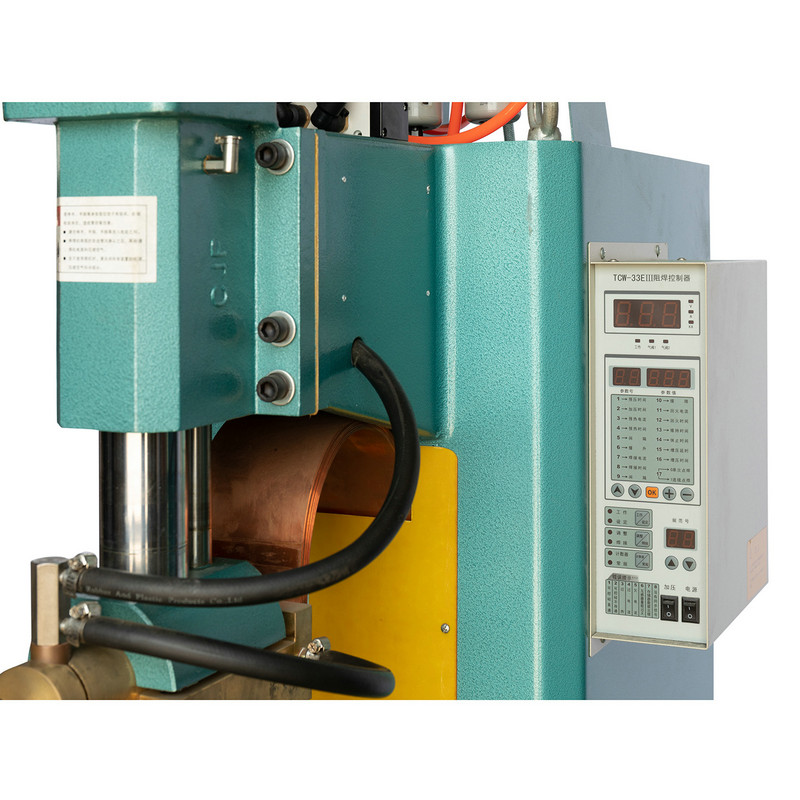
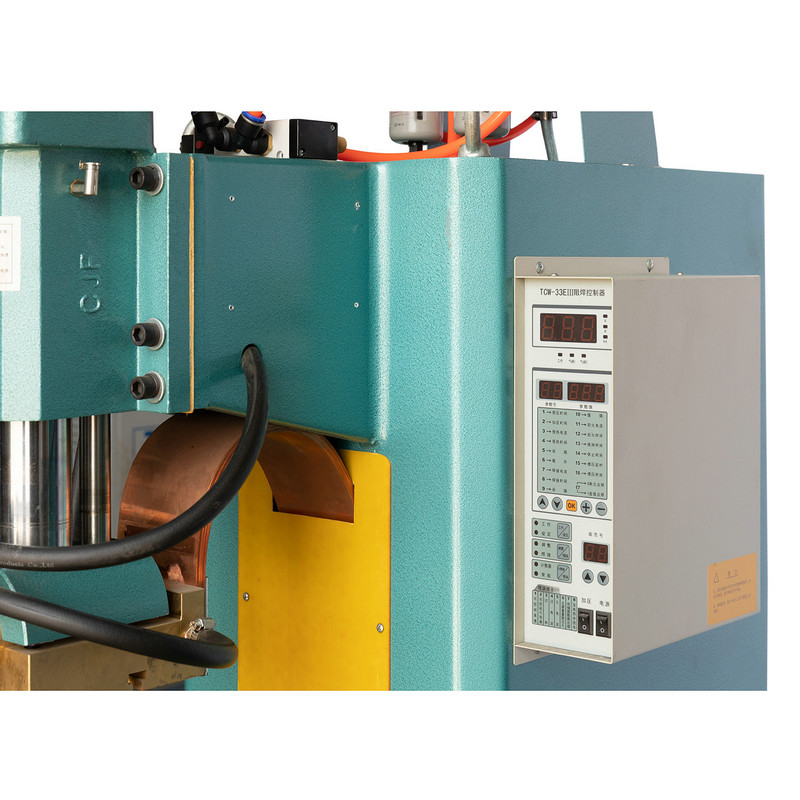
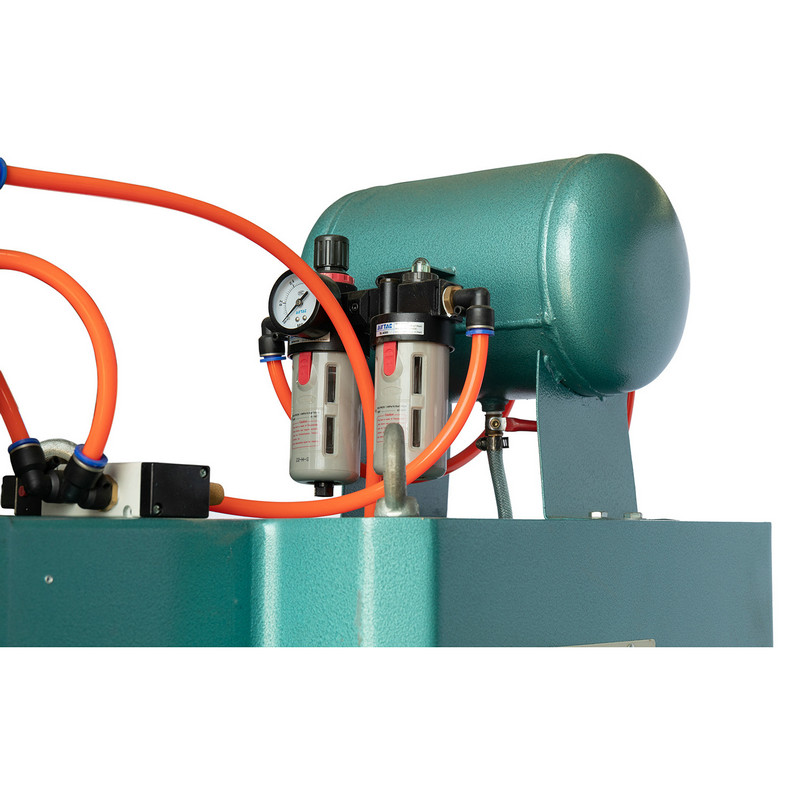
The DTN2 -125KW microcomputer controlled pneumatic spot welder boasts a user-friendly design, featuring microcomputer control and an LCD display for precise, intuitive parameter visualization. During welding operations, it produces minimal sparks while ensuring robust welds. This versatile machine is ideal for welding a range of materials, including hot and cold plates, stainless steel plates and wires, as well as nuts and other workpieces.
Equipped with a high-quality all-copper transformer and wide-voltage technology, the welding machine offers impressive flexibility. It can automatically adjust its voltage by up to 20% to accommodate varying conditions. Operation is straightforward under normal use, with the microcomputer controller enabling adjustments to pressure time, welding current, welding duration, maintenance intervals, and rest periods.

Specifications
|
Model |
Unit |
DTN2-150KW |
|
|
Primary voltage |
V |
380 |
|
|
Rated capacity |
KVA |
150 |
|
|
Rated input current |
A |
394 |
|
|
Maximum short circuit current |
KA |
28 |
|
|
Rated load duration |
% |
20 |
|
|
Secondary voltage regulation stage |
V |
Stepless voltage regulation |
|
|
Secondary no-load voltage |
mm |
0.5-8.20 |
|
|
Extension length of electrode arm |
mm |
450 |
|
|
Distance between electrode arms |
mm |
300 |
|
|
Maximum pressure between electrodes |
N |
8000 |
|
|
Cylinder stroke |
mm |
80 |
|
|
Electrode size |
Electrode arm |
mm |
Ф60 |
|
Electrode holder |
mm |
Ф25 |
|
|
Electrode head |
mm |
Ф20 |
|
|
Welding thickness |
Low carbon steel |
mm |
5.5+5.5 |
|
Stainless steel |
mm |
2.5+2.5 |
|
|
Aluminium |
mm |
0.9+0.9 |
|
|
Compressed air pressure |
mpr |
0.6 |
|
|
Compressed air consumption |
M3/h |
22 |
|
|
Cooling water flow |
L/min |
5 |
|
|
Input wire cross-sectional area |
mm2 |
35 |
|
Product Description
The DTN2-125KW Microcomputer Controlled Pneumatic Spot Welder combines advanced technology with user-centric design, offering several notable advantages:
The DTN2-125KW welding machine is highly versatile and suitable for a wide range of industrial welding tasks:
The machine offers comprehensive control over welding operations through the microcomputer controller.
| Feature | Description |
|---|---|
| Pressure Time | Adjustable to match material thickness and welding requirements |
| Welding Current | Precisely set to achieve optimal fusion and minimize defects |
| Welding Duration | Customizable for different materials and workpieces |
| Maintenance Intervals | Set reminders to ensure consistent machine performance |
| Rest Periods | Optimized to prevent overheating and extend machine lifespan |
The DTN2-125KW incorporates advanced technologies that enhance both performance and user experience:
Recommended Products
KEEP IN TOUCH


You are setting up a small fabrication shop, and a customer asks whether you can weld 1/8-inch mild steel and also handle some outdoor repair work. The quick answer is: if you want low-cost equipment...
READ MORE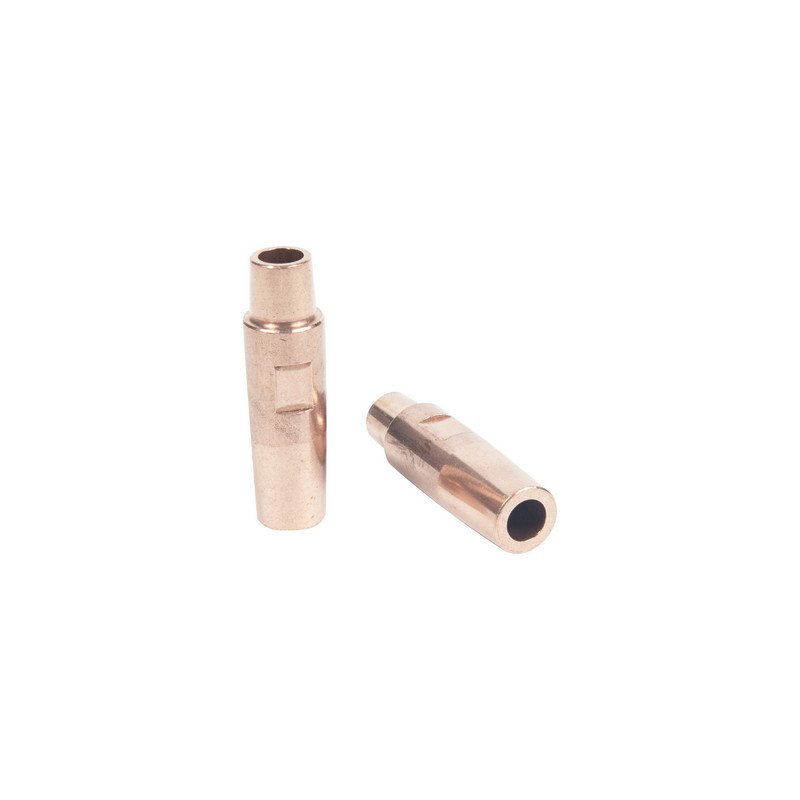
Welding electrodes are not interchangeable. The copper-alloy tip that makes a clean spot weld on stainless steel will burn up quickly if you use it on galvanized sheet metal. Understanding how differ...
READ MORE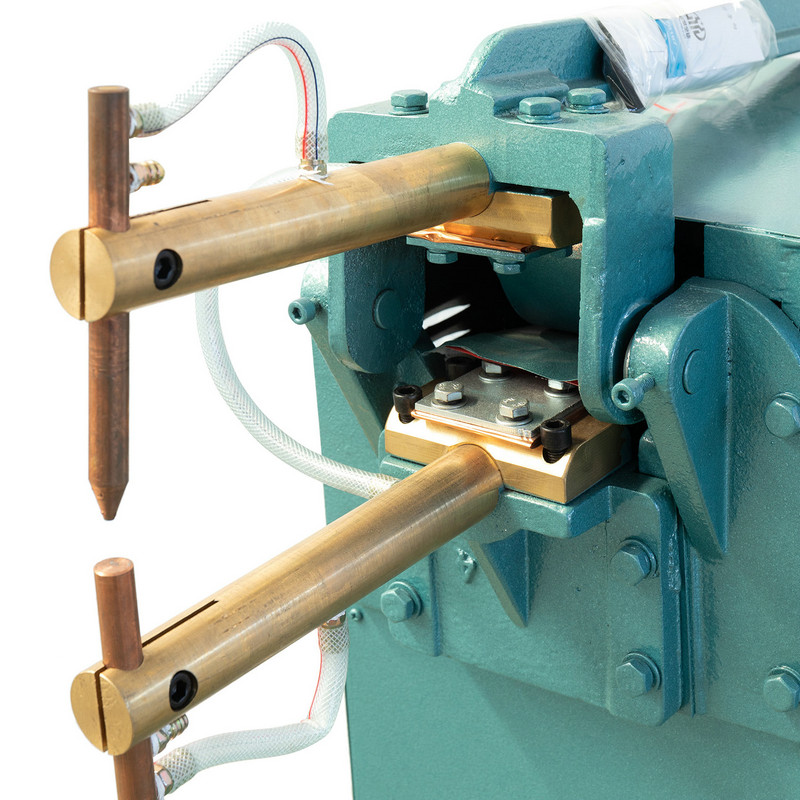
Every weld is a production decision. When you choose an electrical welding machine, you are really choosing how to balance weld quality, cycle time, and operator effort on your floor. After building ...
READ MORE
Understanding Resistance Butt Welding and the Role of Flash Weld Technology Joining two metal bar ends face to face without filler material is one of the oldest challenges in metal fabrication, and r...
READ MORE
Understanding Stud Spot Welding Technology Today Fastening components to metal panels without drilling or riveting has become a standard requirement across sheet metal fabrication, shipbuilding, and ...
READ MORE
Spot Welding Machine Categories and How They Differ Resistance spot welding equipment is generally divided by how the electrode force is generated and applied. Mechanical foot-pedal units rely on the...
READ MORE
Product
Contact Info.
+86-152-5712-5882
Fax: +86-563-2269966
No. 21 Guangping Road, Guangde Economic Development Zone, Guangde City, Anhui Province
QR Code