Language
 English
 русский
 Español

Get A Quote
Get A Quote
 Home / News / Industry News / What are the common applications of a two-stage discharge pneumatic butt welding machine?
 2025.12.24
 Industry News
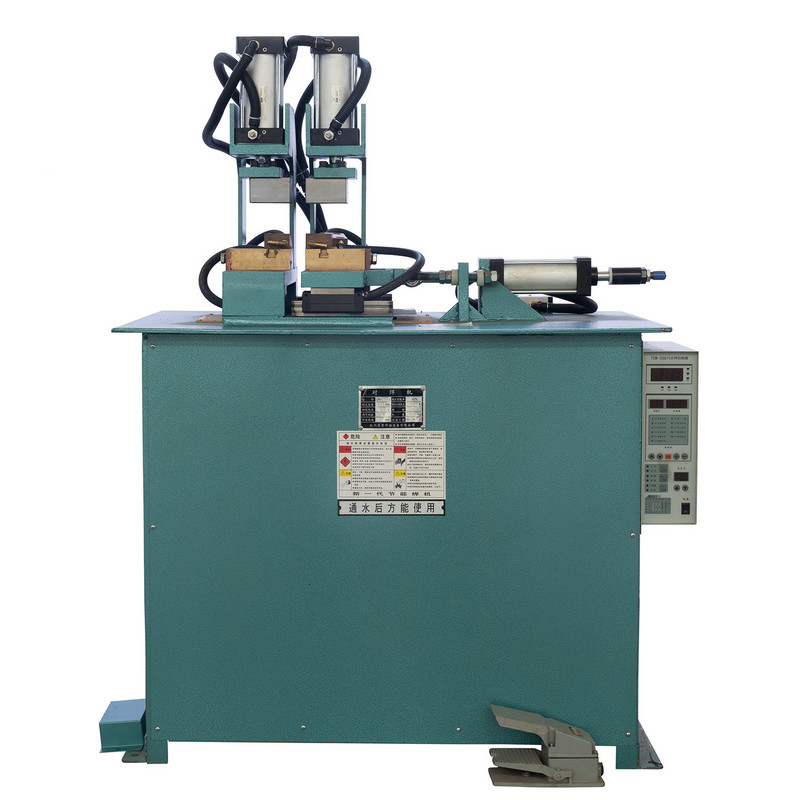
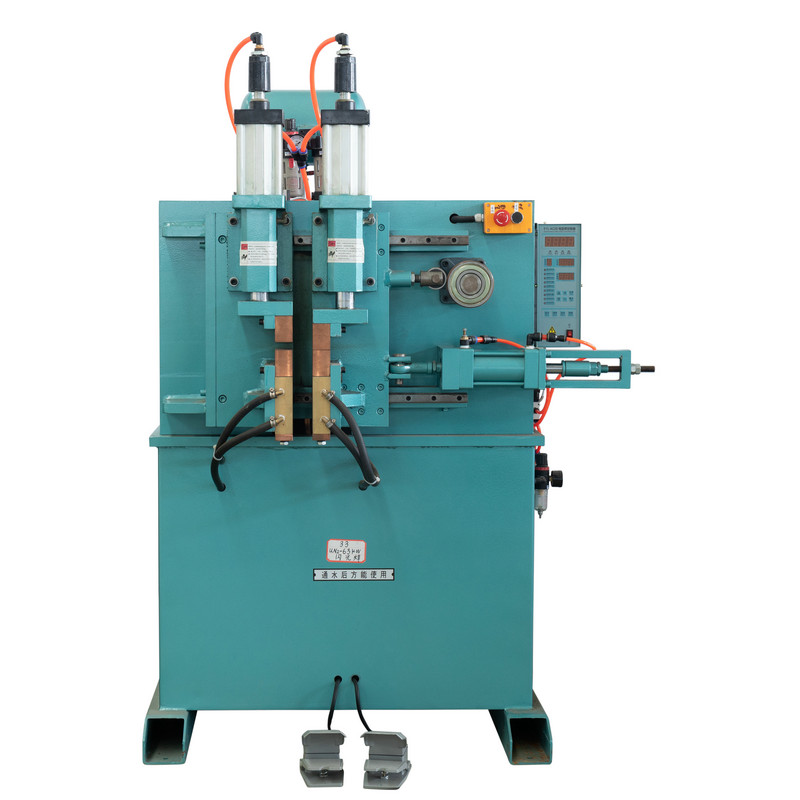
The two-stage discharge pneumatic butt welding machine is a specialized industrial equipment widely used in welding applications, particularly in joining thermoplastic materials such as polyethylene (PE) and polypropylene (PP). This machine utilizes a precise two-stage discharge mechanism combined with pneumatic control to ensure strong, uniform, and reliable welds. Its growing adoption in various industries can be attributed to its efficiency, consistency, and ability to handle a wide range of pipe sizes and materials.
A two-stage discharge pneumatic butt welding machine operates by combining two distinct stages in the welding process: the initial alignment and heating phase, followed by a controlled welding or fusion phase. This dual-stage mechanism allows for more precise energy distribution, reducing the risk of overheating, misalignment, or weld inconsistencies. Pneumatic actuation ensures smooth movement of the welding arms and clamping devices, providing stable pressure throughout the welding process.
The key components typically include:
These components work in unison to deliver reliable welds, making the machine suitable for industrial environments where precision and repeatability are critical.
The two-stage discharge pneumatic butt welding machine finds its applications across a variety of industries due to its versatility and reliability. Below, we discuss the primary sectors and scenarios in which this machine is widely used.
Pipe welding is one of the most common applications for a two-stage discharge pneumatic butt welding machine. In the construction of water supply systems, sewage systems, and chemical pipelines, precise and durable pipe connections are essential. The machine ensures:
By providing high-quality butt welds, this machine helps maintain the integrity of piping systems in residential, commercial, and industrial installations.
Chemical processing industries often require pipelines constructed from thermoplastic materials to resist corrosion and chemical reactions. A two-stage discharge pneumatic butt welding machine is particularly valuable in these applications because it:
Industries handling acids, alkalis, and other corrosive fluids benefit from the machine’s precision, as it reduces the likelihood of leaks and material failures.
The energy sector frequently employs two-stage discharge pneumatic butt welding machines for joining polyethylene or polypropylene pipes in gas and oil pipelines. Key advantages include:
These applications are critical where regulatory compliance and safety standards are strict, as the machine ensures that pipelines maintain durability and performance.
Public infrastructure projects, such as water distribution networks and sewage systems, require highly reliable piping solutions. The two-stage discharge pneumatic butt welding machine is ideal because it:
Its application in these settings ensures continuity of service and adherence to public safety standards.
Beyond pipeline applications, a two-stage discharge pneumatic butt welding machine is used in industrial manufacturing where precise thermoplastic welding is required. Applications include:
In such cases, the machine enhances efficiency and reduces human error, providing consistent results across multiple production batches.
The widespread application of the two-stage discharge pneumatic butt welding machine is largely due to its operational advantages:
These benefits make the machine suitable not only for industrial applications but also for critical infrastructure projects where reliability is non-negotiable.
While the two-stage discharge pneumatic butt welding machine is versatile, its optimal performance depends on correct usage:
Understanding these considerations ensures the machine performs effectively across different industries.
| Application Sector | Benefits of using two-stage discharge pneumatic butt welding machine | Key Considerations |
|---|---|---|
| Pipe fabrication | Uniform, leak-proof welds; compatible with various pipe sizes | Alignment, pressure control |
| Chemical industry | Strong joints resistant to chemical stress | Material selection, temperature |
| Gas and oil pipelines | High structural integrity; faster welding cycles | Safety, regulatory compliance |
| Municipal water/sewage | Durable, long-lasting pipelines | Large-diameter pipe handling |
| Industrial manufacturing | Consistent weld quality in modular or repetitive components | Maintenance, operational training |
This table illustrates how the machine’s capabilities are applied across industries, highlighting the practical benefits and operational requirements.
The two-stage discharge pneumatic butt welding machine has become an indispensable tool across multiple industries due to its reliability, precision, and versatility. Its applications range from pipe fabrication and municipal infrastructure to chemical processing and industrial manufacturing. By providing controlled two-stage energy discharge and pneumatic operation, the machine ensures high-quality, durable welds suitable for critical applications.
For professionals in the pipeline, water management, and industrial production sectors, understanding the applications and operational nuances of the two-stage discharge pneumatic butt welding machine is essential. Proper usage, regular maintenance, and attention to material compatibility maximize the machine’s effectiveness, ensuring strong, defect-free joints that meet both industrial and safety standards.
Recommended Products

Product
Contact Info.
+86-152-5712-5882
Fax: +86-563-2269966
No. 21 Guangping Road, Guangde Economic Development Zone, Guangde City, Anhui Province
QR Code