Language
 English
 русский
 Español

Get A Quote
Get A Quote
 Home / News / Industry News / How much maintenance does a metal shell zero wear pneumatic butt welding machine require?
 2025.12.18
 Industry News
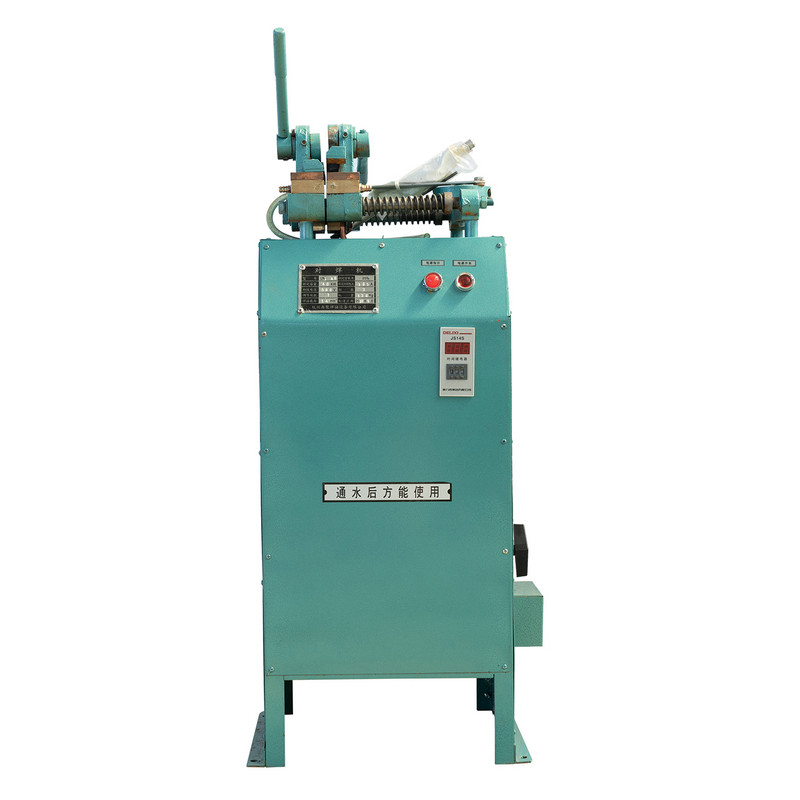
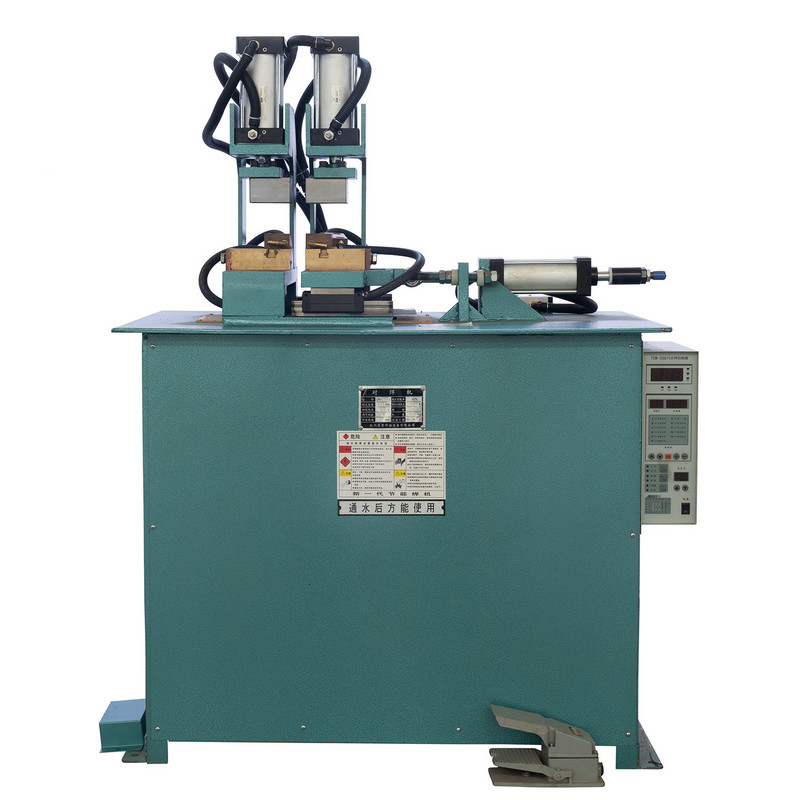
The metal shell zero wear pneumatic butt welding machine has become a critical tool in industries where high-quality, efficient pipe welding is essential. As with any precision equipment, proper maintenance is crucial to ensure longevity, consistent performance, and operational safety.
A metal shell zero wear pneumatic butt welding machine is a specialized welding device designed to join thermoplastic pipes using a combination of heat and pressure. Its pneumatic system allows for smooth operation, while the zero wear design ensures minimal degradation of critical components during repetitive welding cycles. The machine is widely used in industrial, municipal, and construction applications due to its precision, reliability, and reduced operational costs.
Unlike traditional butt welding machines, the metal shell zero wear pneumatic butt welding machine focuses on reducing friction and wear on moving components, which significantly impacts the machine’s longevity. However, despite its durability, regular maintenance remains essential for optimal performance.
Maintenance of a metal shell zero wear pneumatic butt welding machine serves several key purposes:
Neglecting maintenance can lead to uneven welds, misalignment of pipes, and higher operational costs due to repairs or replacement parts.
Daily maintenance of a metal shell zero wear pneumatic butt welding machine is relatively straightforward but highly important. Operators should develop a checklist to ensure all critical areas are covered.
Daily maintenance takes only a few minutes but plays a critical role in ensuring consistent machine operation and weld quality.
In addition to daily care, a weekly maintenance routine should be established for the metal shell zero wear pneumatic butt welding machine.
Weekly maintenance provides a more thorough inspection and ensures that minor issues are identified and corrected before they escalate into serious problems.
A monthly maintenance schedule allows for deeper inspection and preventive measures for the metal shell zero wear pneumatic butt welding machine.
Monthly maintenance ensures that the metal shell zero wear pneumatic butt welding machine continues to operate efficiently and reduces the risk of long-term wear issues.
In addition to daily, weekly, and monthly maintenance, an annual inspection and partial overhaul are recommended.
Annual maintenance ensures the metal shell zero wear pneumatic butt welding machine remains reliable over years of heavy use.
Maintenance is closely linked to troubleshooting. Understanding common issues can guide preventive measures for the metal shell zero wear pneumatic butt welding machine.
Preventive maintenance reduces the occurrence of these problems and extends the operational life of the machine.
Maintaining a metal shell zero wear pneumatic butt welding machine involves both labor and material costs. While daily and weekly maintenance can be performed by operators, more complex inspections or overhauls may require skilled technicians. Investing in preventive maintenance is generally more cost-effective than repairing major breakdowns or replacing components after failure.
A maintenance budget should consider:
Proper budgeting ensures that the metal shell zero wear pneumatic butt welding machine remains in peak condition without unexpected financial burdens.
Consistent maintenance of a metal shell zero wear pneumatic butt welding machine offers several advantages:
In essence, maintenance is not just about preserving the machine—it is an investment in reliability, productivity, and safety.
To maximize the performance of a metal shell zero wear pneumatic butt welding machine, consider implementing structured maintenance practices:
Following these practices ensures that the metal shell zero wear pneumatic butt welding machine delivers consistent results over its operational life.
The metal shell zero wear pneumatic butt welding machine is a sophisticated tool designed for efficiency, precision, and durability in pipe welding applications. While its zero wear design reduces the frequency of component degradation, proper maintenance is essential to preserve performance, ensure safety, and extend the machine’s operational lifespan.
From daily cleaning and inspection to weekly calibration and annual overhauls, structured maintenance routines prevent unexpected downtime and improve weld quality. By investing in consistent and professional maintenance practices, industries can maximize the benefits of their metal shell zero wear pneumatic butt welding machine, ensuring reliable and high-quality welding operations for years to come.
Recommended Products

Product
Contact Info.
+86-152-5712-5882
Fax: +86-563-2269966
No. 21 Guangping Road, Guangde Economic Development Zone, Guangde City, Anhui Province
QR Code