Language
 English
 русский
 Español

Get A Quote
Get A Quote
 Home / Equipment / UN Butt Welding Machine / UN2 Pneumatic Butt Welding Machine / UN2-150KW Two-Stage Discharge Pneumatic Butt Welding Machine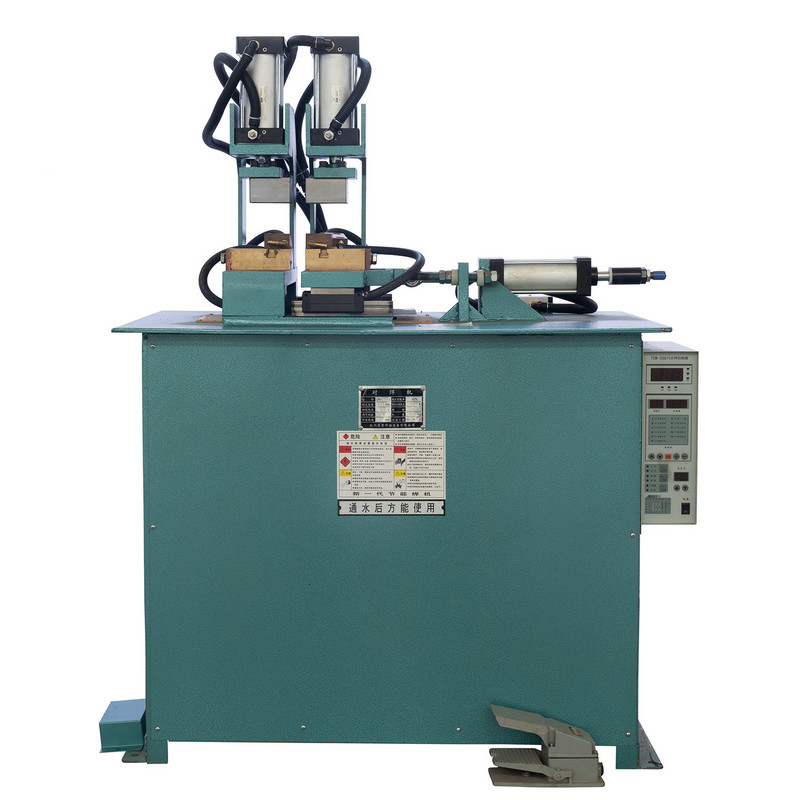
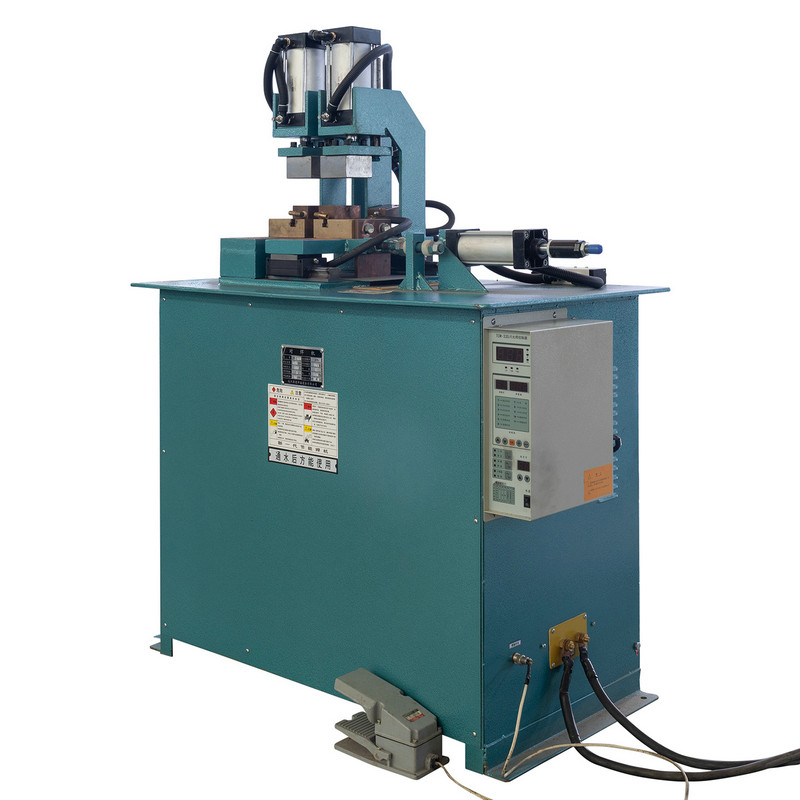
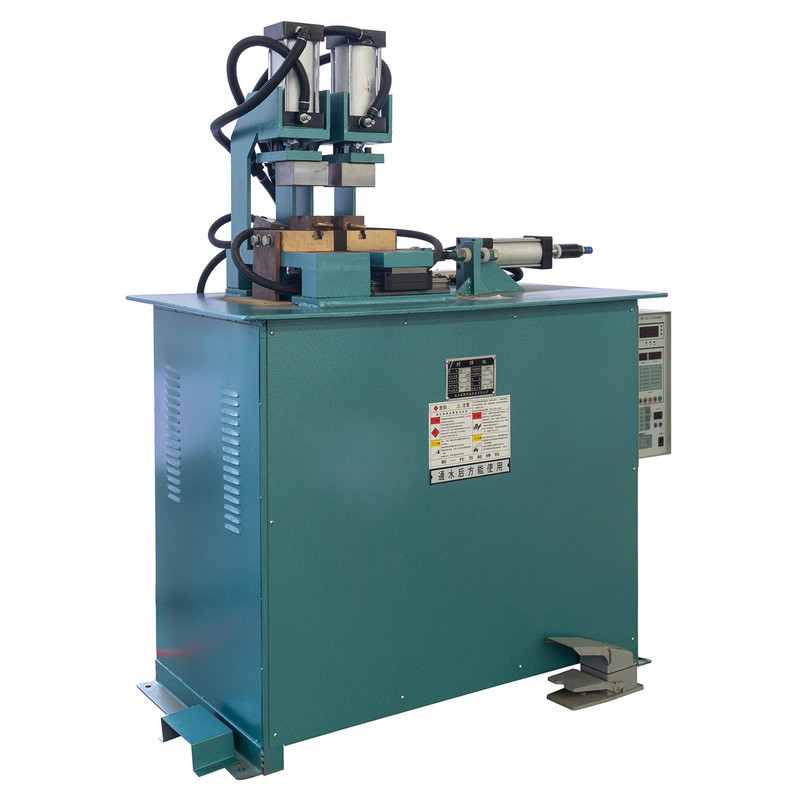
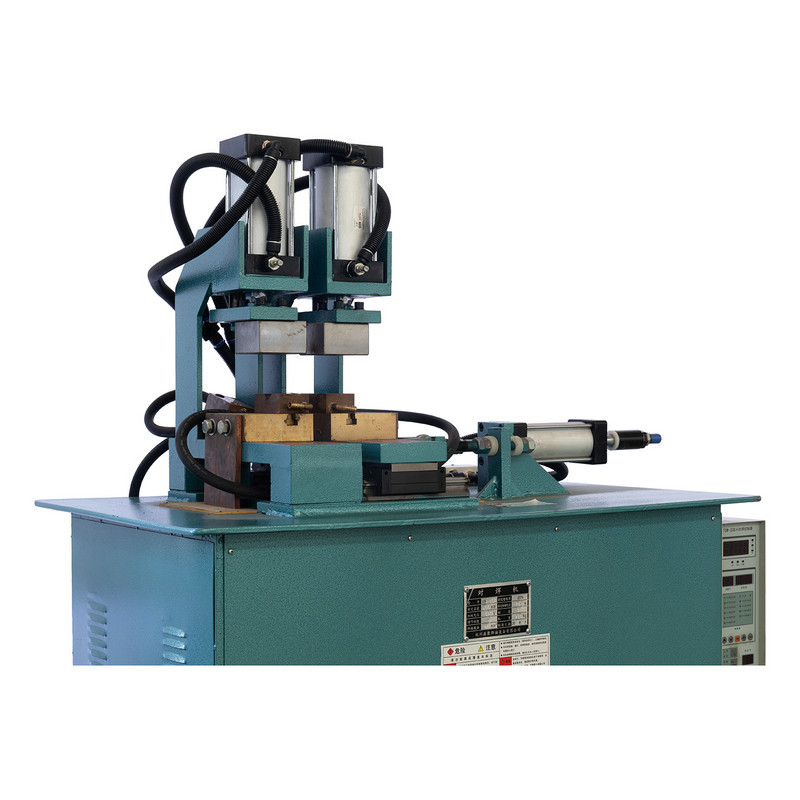
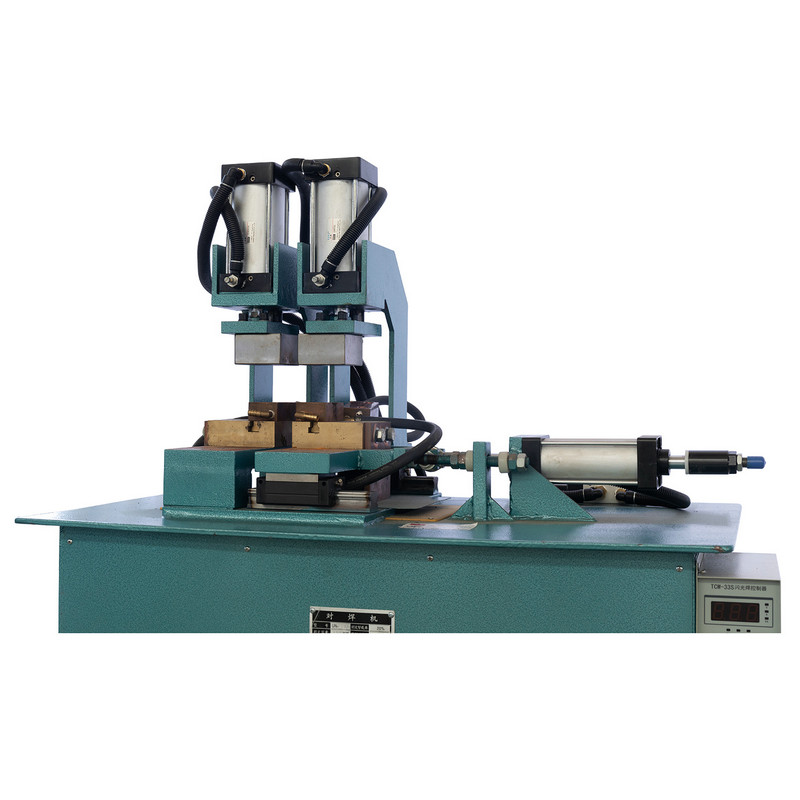
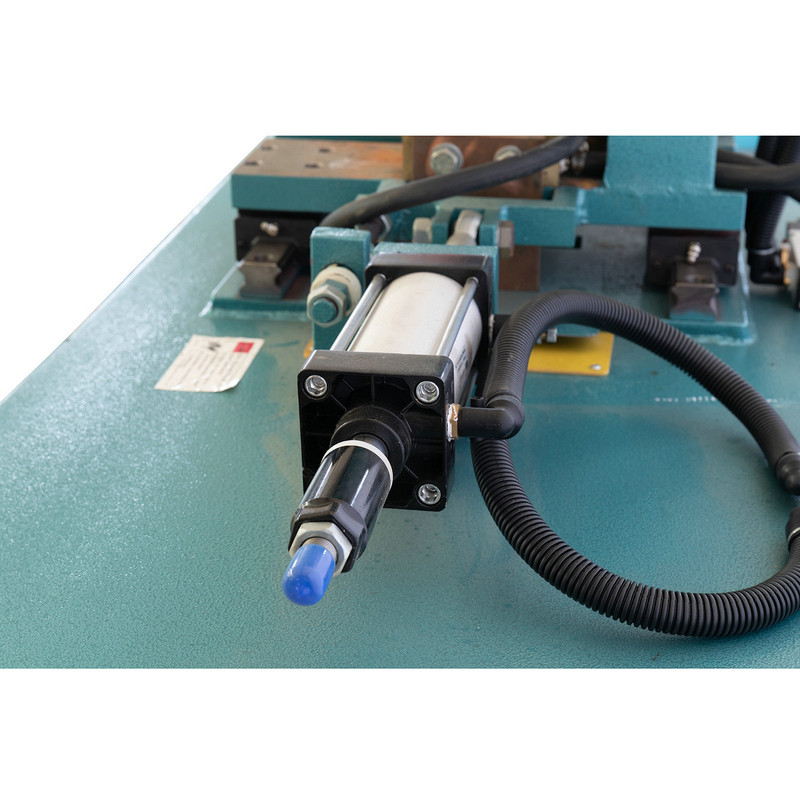
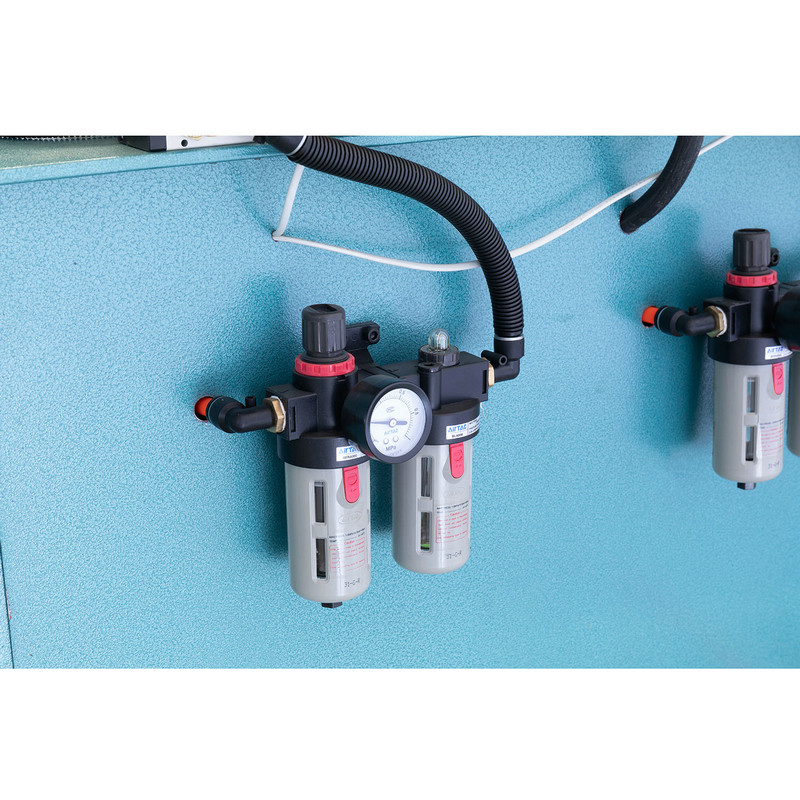
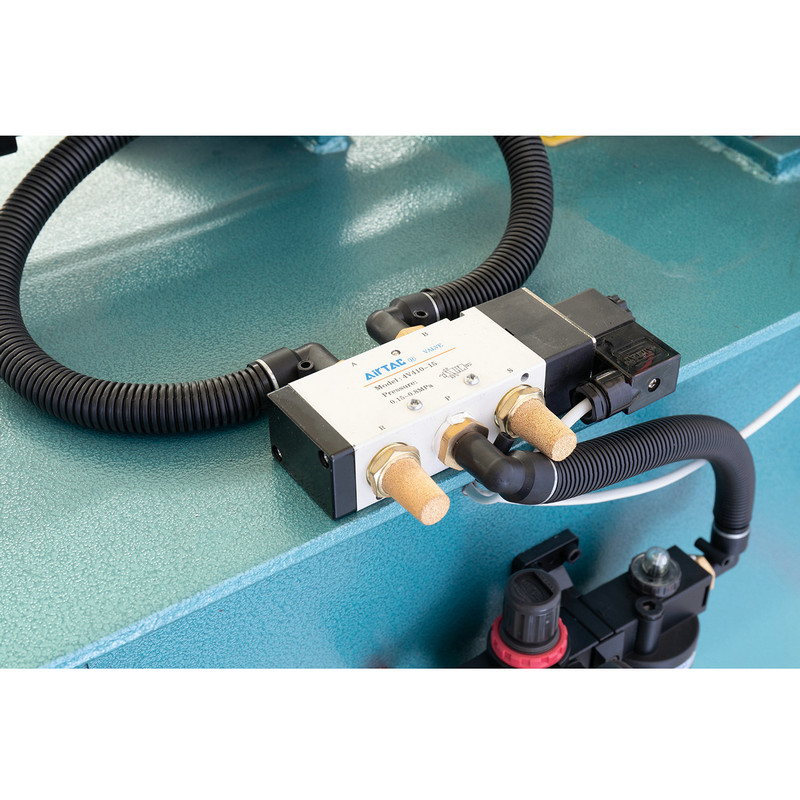
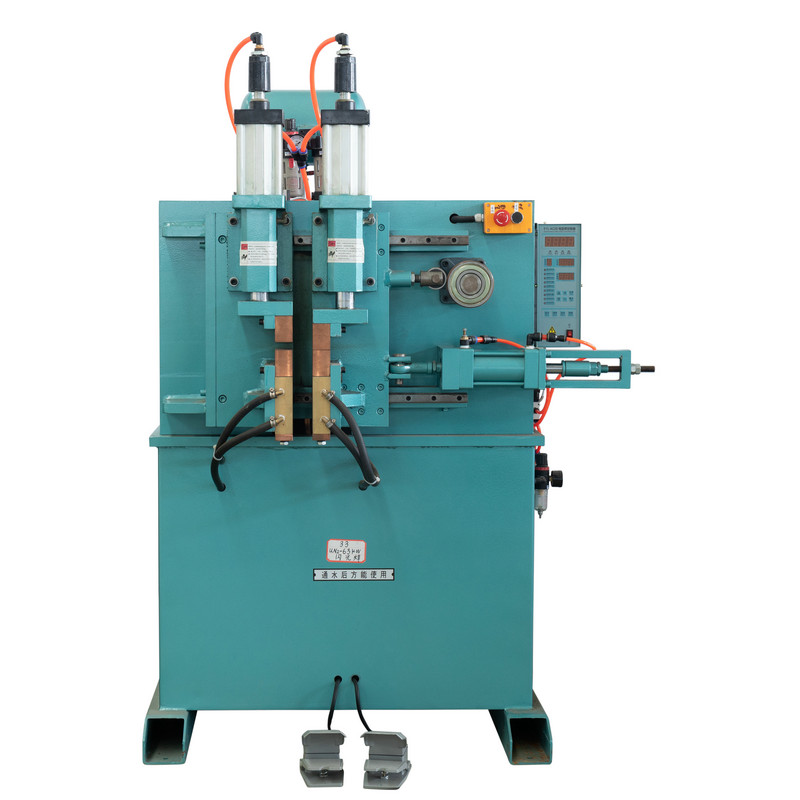
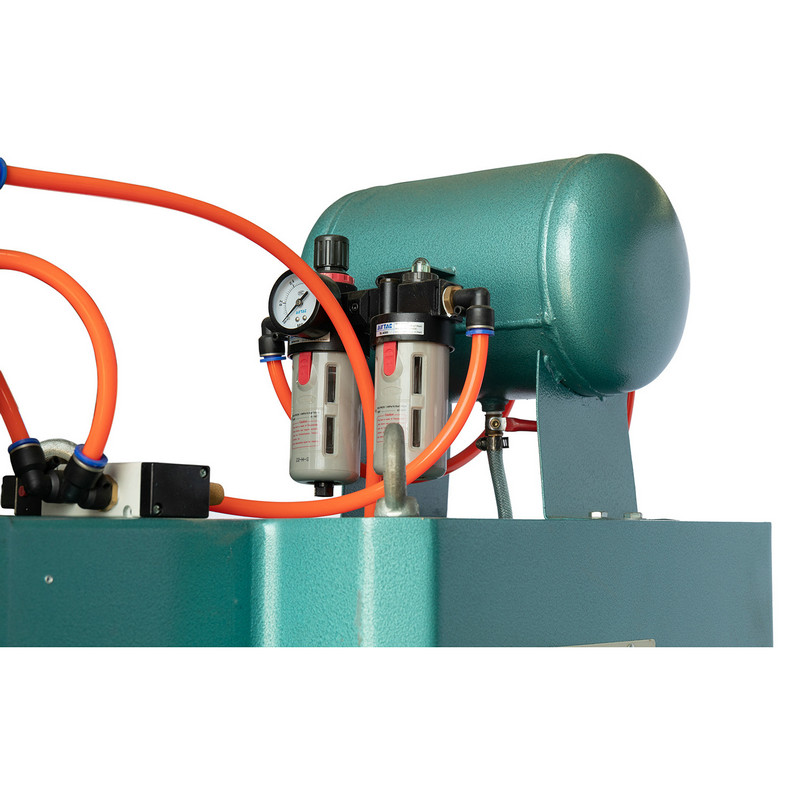
The UN2-150KW Two-Stage Discharge Pneumatic Butt Welding Machine is engineered to stabilize and securely clamp workpieces using pneumatic pressure. It features a moving clamp equipped with linear bearings, facilitating seamless electrode movement and precise positioning. This machine achieves clamping, upsetting, and welding all in a single, efficient step, significantly boosting overall productivity. Incorporating a microcomputer-controlled constant voltage system, two-stage discharging, and high-precision linear bearings, the welding machine guarantees zero wear and offers versatility across diverse construction environments.

Specifications
|
Model |
Unit |
UN2-150KW |
|
|
Primary voltage |
V |
380 |
|
|
Rated capacity |
KVA |
150 |
|
|
Rated primary current |
A |
394 |
|
|
Rated load duration |
% |
20 |
|
|
No load voltage |
V |
0.8-9.0 |
|
|
Secondary voltage regulation stage |
stages |
Stepless voltage regulation |
|
|
Maximum upsetting force |
N |
1200 |
|
|
Maximum feeding stroke |
mm |
22 |
|
|
Maximum jaw distance |
mm |
20 |
|
|
Maximum welding diameter |
Low carbon steel |
mm |
6.0-20.0 |
|
Copper |
mm |
6.0-14.0 |
|
|
Aluminum |
mm |
6.0-14.0 |
|
Product Description
The UN2-150KW is a state-of-the-art, high-performance pneumatic butt welding machine engineered for superior efficiency and precision in metal joining applications. It is designed to stabilize and securely clamp workpieces using reliable pneumatic pressure, ensuring a consistent and powerful hold throughout the welding process.
A key feature is the moving clamp equipped with high-precision linear bearings, which facilitates seamless, frictionless electrode movement and allows for exact positioning of the workpieces. This advanced design, combined with a microcomputer-controlled constant voltage system and a sophisticated two-stage discharge process, guarantees exceptional weld quality, repeatability, and zero wear on critical moving components.
This machine streamlines production by performing clamping, upsetting, and welding in a single, automated step, significantly boosting overall productivity. Its robust design and advanced control system make it incredibly versatile for diverse construction, fabrication, and manufacturing environments.
Key Features & Benefits:
1. Safety Precautions
2. Setup & Preparation
3. Machine Configuration
4. Execution of Weld
5. Post-Weld & Shutdown
Note: Always consult the full manufacturer’s manual for detailed maintenance schedules, troubleshooting guides, and specific parameter recommendations for your application.
Recommended Products
KEEP IN TOUCH
You are setting up a small fabrication shop, and a customer asks whether you can weld 1/8-inch mild steel and also handle some outdoor repair work. The quick answer is: if you want low-cost equipment...
READ MORE
Welding electrodes are not interchangeable. The copper-alloy tip that makes a clean spot weld on stainless steel will burn up quickly if you use it on galvanized sheet metal. Understanding how differ...
READ MORE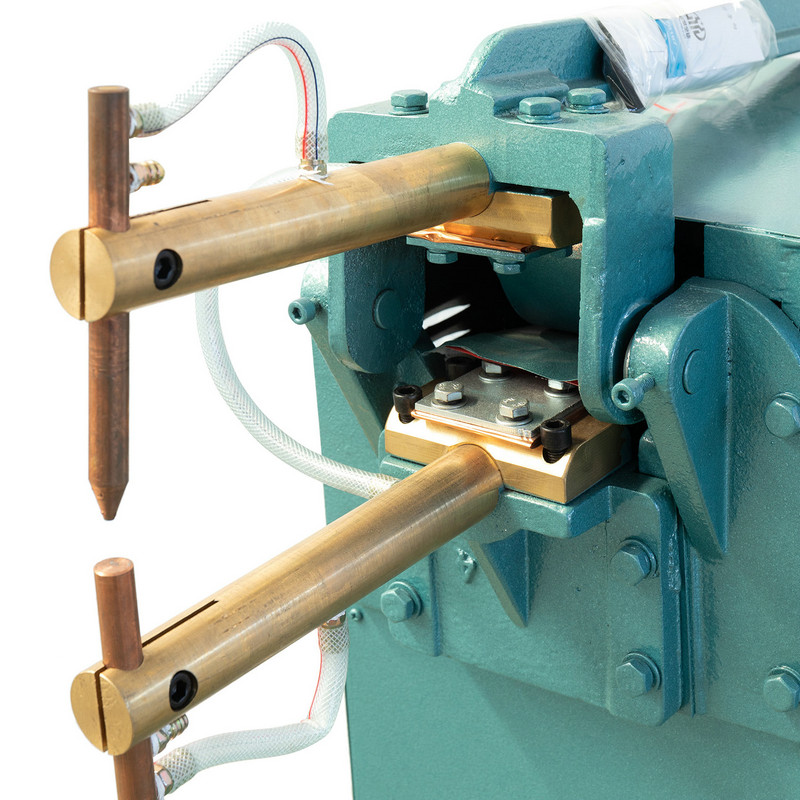
Every weld is a production decision. When you choose an electrical welding machine, you are really choosing how to balance weld quality, cycle time, and operator effort on your floor. After building ...
READ MORE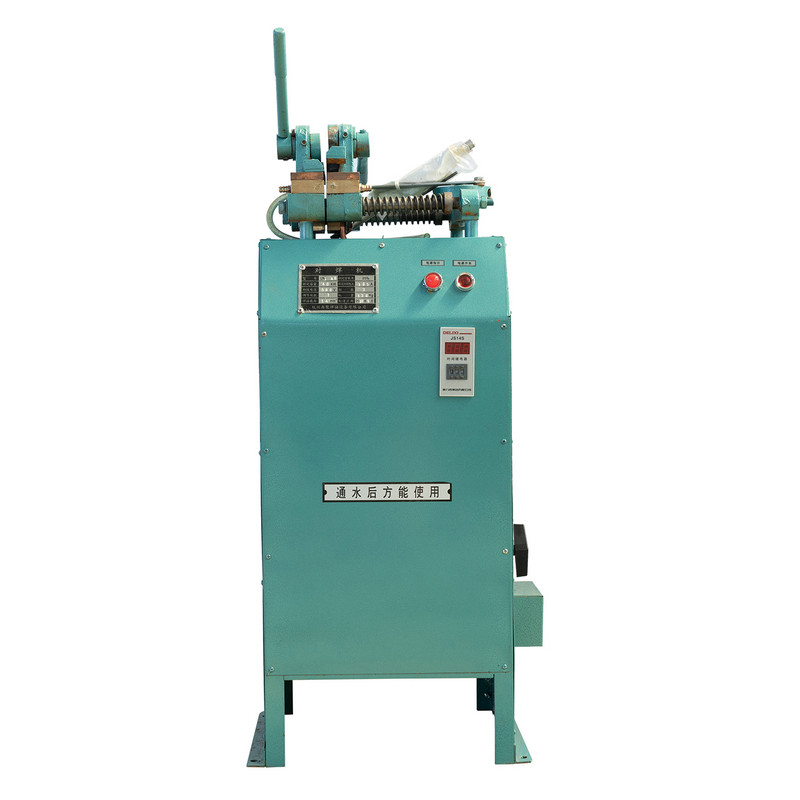
Understanding Resistance Butt Welding and the Role of Flash Weld Technology Joining two metal bar ends face to face without filler material is one of the oldest challenges in metal fabrication, and r...
READ MORE
Understanding Stud Spot Welding Technology Today Fastening components to metal panels without drilling or riveting has become a standard requirement across sheet metal fabrication, shipbuilding, and ...
READ MORE
Spot Welding Machine Categories and How They Differ Resistance spot welding equipment is generally divided by how the electrode force is generated and applied. Mechanical foot-pedal units rely on the...
READ MORE
Product
Contact Info.
+86-152-5712-5882
Fax: +86-563-2269966
No. 21 Guangping Road, Guangde Economic Development Zone, Guangde City, Anhui Province
QR Code