Language
 English
 русский
 Español

Get A Quote
Get A Quote
 2026.01.15
 Industry News
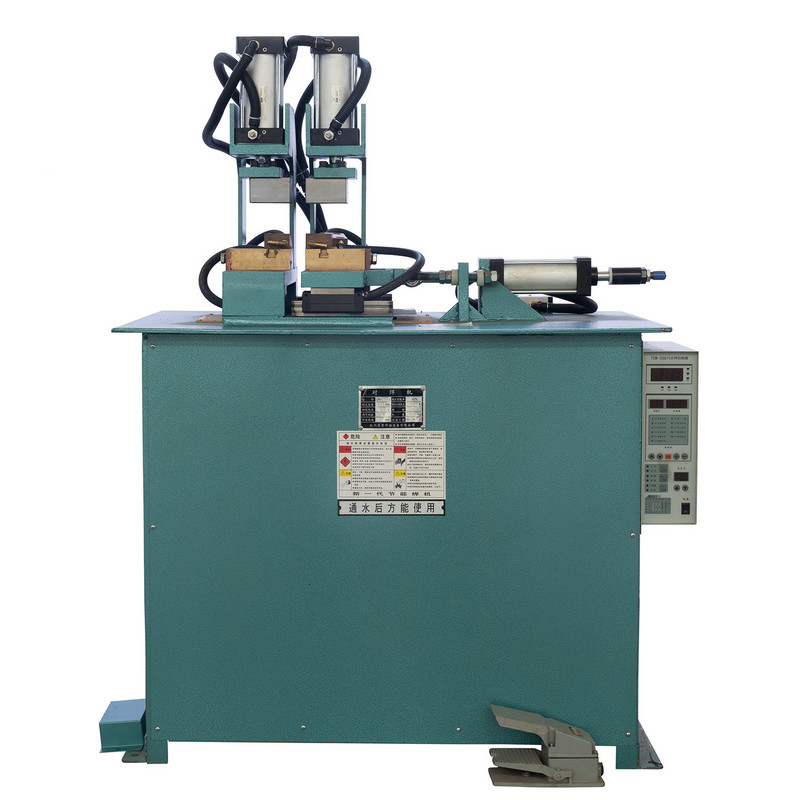
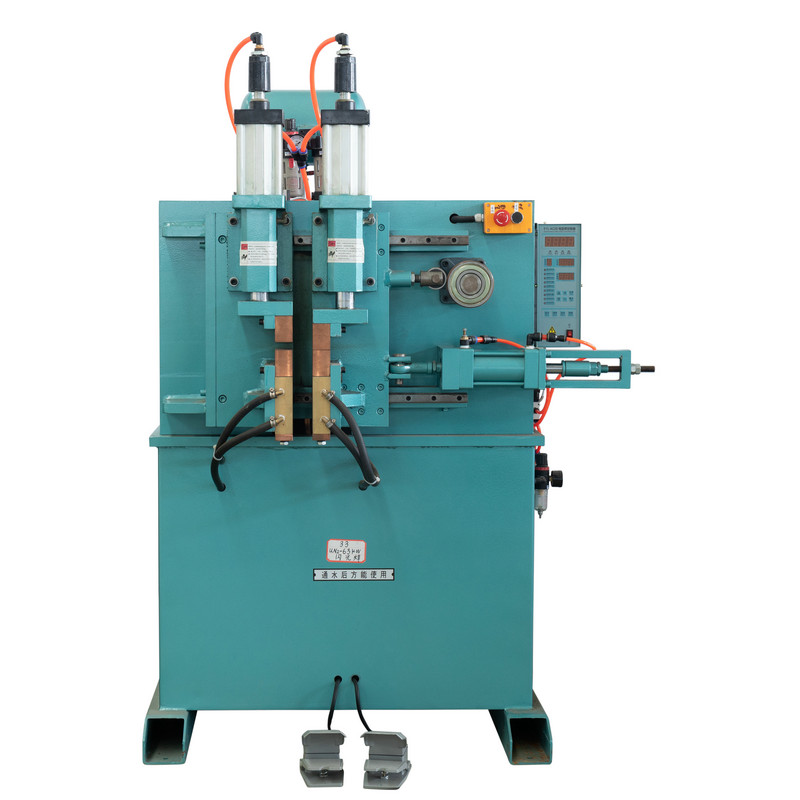
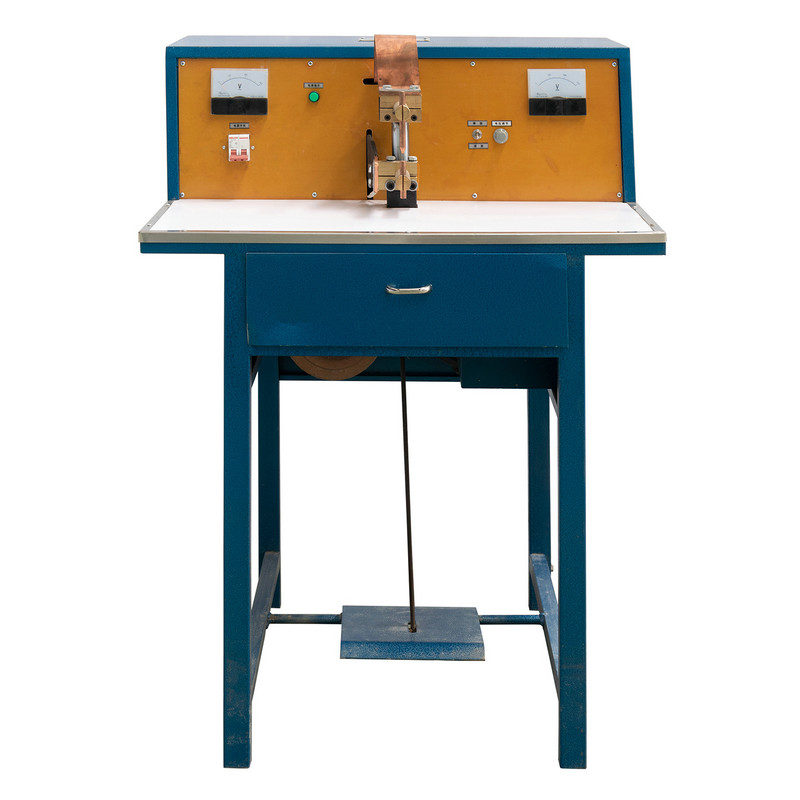
The pedal spot welding machine is a widely used device in various manufacturing industries, including automotive, metal fabrication, and electronics. This type of welding machine relies on a combination of electrical current, pressure, and precise timing to form high-quality spot welds between metal sheets. While the operational principle of a pedal spot welding machine is well understood, one aspect that is often overlooked is the critical role of cooling. Effective cooling in a pedal spot welding machine ensures consistent weld quality, prolongs component life, and maintains operational efficiency.
Cooling in a pedal spot welding machine serves several critical purposes:
Maintaining weld consistency: Excessive heat buildup in welding electrodes or machine components can cause variations in weld strength and quality. Cooling systems help regulate temperature, ensuring uniform weld penetration.
Protecting components: Components such as transformers, copper electrodes, and control circuits are sensitive to prolonged exposure to high temperatures. Efficient cooling prevents premature wear, electrode deformation, and potential damage to electronic components.
Enhancing operational safety: Overheated machines pose risks to operators and may trigger unexpected shutdowns. Proper cooling helps maintain safe operating temperatures.
Increasing machine efficiency: Thermal management allows a pedal spot welding machine to operate continuously without downtime due to overheating, improving overall production efficiency.
Table 1 summarizes the primary benefits of cooling in a pedal spot welding machine:
| Cooling Function | Impact on Machine Performance | Outcome for Production |
|---|---|---|
| Temperature regulation | Prevents overheating of electrodes and components | Consistent weld quality |
| Component protection | Reduces wear on transformers and circuits | Longer machine lifespan |
| Safety assurance | Minimizes risk of thermal accidents | Safer workplace |
| Operational efficiency | Allows extended continuous operation | Higher production throughput |
There are several methods by which cooling is implemented in a pedal spot welding machine. Understanding these mechanisms is essential for selecting, operating, and maintaining these machines effectively.
Water cooling is the most common method used in pedal spot welding machines. It involves circulating water through a network of channels around critical components, primarily copper electrodes and transformers. Water acts as an effective heat sink, absorbing thermal energy generated during the welding process.
Key advantages of water cooling include:
Air cooling uses fans or forced airflow to remove heat from the machine surface and internal components. While less efficient than water cooling for high-current operations, air cooling is suitable for machines designed for lower production volume or lighter materials. The main benefit of air cooling lies in its simpler maintenance and absence of fluid management requirements.
Some pedal spot welding machines combine water and air cooling to balance efficiency and simplicity. These hybrid systems are particularly useful in medium-duty applications where operators seek reliable cooling without complex plumbing.
Table 2 compares different cooling systems:
| Cooling Type | Efficiency | Maintenance Complexity | Suitable Application |
|---|---|---|---|
| Water cooling | High | Moderate | Heavy-duty, high-volume production |
| Air cooling | Moderate | Low | Light-duty, intermittent use |
| Hybrid cooling | Moderate to high | Moderate | Medium-duty applications |
When a pedal spot welding machine operates without adequate cooling, several negative outcomes can occur:
Electrode degradation: Copper electrodes can deform, oxidize, or wear prematurely, leading to inconsistent welds.
Transformer overheating: Transformers generate significant heat during operation. Without proper cooling, insulation breakdown can occur, potentially causing machine failure.
Reduced welding quality: Heat accumulation in workpieces may result in uneven weld penetration, burn-through, or weak joints.
Increased downtime: Overheated components may require frequent stops for cooling, decreasing overall efficiency.
Safety hazards: Overheated surfaces or fluids pose risks of burns, electrical malfunctions, or fire.
Understanding these risks emphasizes why cooling is not merely an auxiliary feature but a core operational requirement for a pedal spot welding machine.
To ensure effective cooling in a pedal spot welding machine, operators and maintenance teams should adopt several best practices:
Regular inspection of cooling channels: Water or air channels can become clogged by debris, reducing thermal transfer efficiency. Cleaning ensures maximum heat dissipation.
Monitoring fluid quality: For water-cooled systems, using clean, filtered water prevents corrosion and sediment buildup in the cooling circuit.
Temperature monitoring: Installing thermal sensors on critical components allows real-time monitoring, enabling operators to adjust production parameters before overheating occurs.
Electrode maintenance: Regularly shaping and cleaning electrodes improves heat transfer and prolongs life.
Environmental control: Ambient temperature and ventilation around the machine influence cooling efficiency, particularly for air-cooled systems.
Cooling directly affects the productivity of a pedal spot welding machine. Efficient thermal management allows operators to:
By optimizing cooling, manufacturers achieve a balance between speed, quality, and machine longevity.
Modern pedal spot welding machines often integrate advanced cooling technologies, including:
These enhancements underscore the importance of cooling in ensuring reliable performance and extended service life.
Effective maintenance of a cooling system is crucial. Common issues and solutions include:
By proactively maintaining the cooling system, operators ensure consistent weld quality and minimize unexpected downtime.
The cooling system in a pedal spot welding machine is fundamental to operational performance, safety, and productivity. From protecting sensitive components to ensuring consistent weld quality, cooling plays a vital role in both the machine’s longevity and the overall manufacturing process.
Table 3 summarizes key takeaways about cooling in a pedal spot welding machine:
| Aspect | Key Insight |
|---|---|
| Purpose | Regulate temperature, protect components, ensure safety |
| Cooling types | Water, air, hybrid |
| Effects of insufficient cooling | Electrode wear, transformer damage, reduced weld quality |
| Optimization | Regular inspection, fluid quality monitoring, temperature control |
| Productivity impact | Higher welding speed, reduced downtime, extended operational life |
Q1: Can a pedal spot welding machine operate without water cooling?
A1: While light-duty machines may use air cooling, high-current or heavy-duty pedal spot welding machines require water cooling for consistent weld quality and component protection.
Q2: How often should the cooling system be maintained?
A2: Cooling systems should be inspected at least weekly in high-volume production environments. Water levels, hose integrity, and fan operation should be regularly checked.
Q3: What is the typical lifespan of electrodes with proper cooling?
A3: With adequate cooling, copper electrodes can last significantly longer, maintaining consistent weld performance and reducing the frequency of replacements.
Q4: Does ambient temperature affect the cooling efficiency of a pedal spot welding machine?
A4: Yes, high ambient temperatures can reduce the efficiency of air-cooled systems and increase the load on water-cooled systems. Proper ventilation is recommended.
Q5: Are hybrid cooling systems more efficient than single-type systems?
A5: Hybrid systems combine the advantages of water and air cooling, providing balanced performance for medium-duty applications and improving reliability in varied conditions.
Recommended Products

Product
Contact Info.
+86-152-5712-5882
Fax: +86-563-2269966
No. 21 Guangping Road, Guangde Economic Development Zone, Guangde City, Anhui Province
QR Code