Language
 English
 русский
 Español

Get A Quote
Get A Quote
 Home / News / Industry News / How does an AC spot welding machine prevent overheating during operation?
 2026.01.08
 Industry News
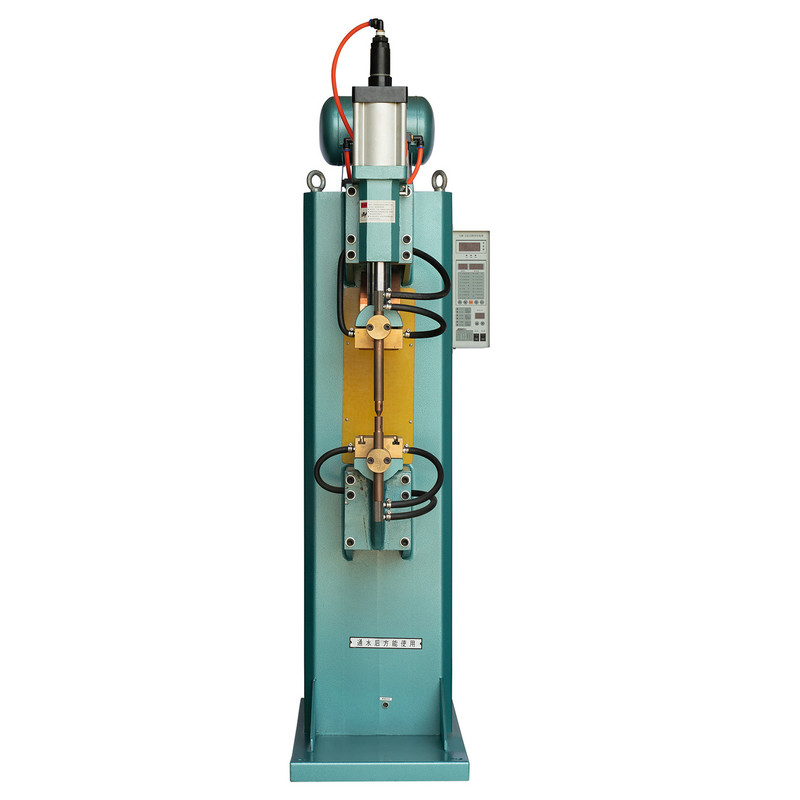
AC Spot Welding Machine is a widely used industrial tool in metal joining processes, particularly in automotive, electronics, and fabrication industries. Proper functioning of this equipment is critical, as overheating can significantly impact welding quality, machine longevity, and operator safety.
The AC Spot Welding Machine operates on the principle of resistance welding, where electrical current passes through metal workpieces under controlled pressure to generate heat at the contact points. Excessive heat beyond the intended weld zone can result in electrode damage, deformation of materials, or system failure. Consequently, controlling temperature and current distribution is essential to ensure optimal performance.
Modern AC Spot Welding Machine designs integrate several mechanisms to minimize overheating risks. These include electrode cooling systems, current regulation, duty cycle management, and sensor-based monitoring systems. Each of these mechanisms plays a critical role in maintaining thermal stability during prolonged operation.
One of the most significant factors influencing overheating in an AC Spot Welding Machine is the electrode configuration. Electrodes are typically composed of materials with high thermal conductivity, such as copper alloys. Proper electrode design allows rapid dissipation of heat generated at the weld interface, reducing localized thermal buildup.
Similarly, the transformer within the AC Spot Welding Machine plays a pivotal role in managing current flow. Transformers are engineered to handle specified power loads efficiently. High-efficiency transformers reduce energy losses and minimize heat generation within the machine itself, which directly contributes to preventing overheating.
Table 1: Comparison of electrode materials and thermal performance in AC spot welding machines
| Electrode Material | Thermal Conductivity | Typical Applications | Heat Resistance Performance |
|---|---|---|---|
| Copper Alloy | High | Thin sheet metals, electronics | Excellent |
| Copper-Chromium | Medium | Automotive panels | Good |
| Copper-Tungsten | Moderate | Heavy-duty industrial welding | High |
Cooling systems are among the most critical components for preventing overheating in an AC Spot Welding Machine. These systems are typically integrated into both the electrode assembly and the transformer. Common cooling methods include:
By maintaining electrode and transformer temperatures within safe limits, cooling systems ensure consistent weld quality and reduce the likelihood of machine downtime due to thermal stress.
Another key method for controlling overheating is duty cycle management. The duty cycle defines the ratio of welding time to idle or cooling time. For example, a machine with a 30% duty cycle can operate continuously for 3 minutes and must rest for 7 minutes to avoid excessive heat accumulation.
Duty cycle management can be manual or automated. Automated control systems in modern AC Spot Welding Machine models monitor temperature, current, and operational time, pausing operations or adjusting power output to maintain safe thermal conditions.
Table 2: Example of duty cycle impact on AC spot welding machine operation
| Duty Cycle | Continuous Operation Time | Recommended Cooling Period | Overheating Risk |
|---|---|---|---|
| 20% | 2 minutes | 8 minutes | Low |
| 50% | 5 minutes | 5 minutes | Moderate |
| 80% | 8 minutes | 2 minutes | High |
The electrical current applied during welding directly affects the heat generated in the workpiece. Inappropriate current levels can lead to overheating, excessive electrode wear, and poor weld quality. To prevent this, AC Spot Welding Machine units are equipped with:
These systems ensure that the machine delivers only the necessary energy for welding, minimizing waste heat and prolonging component life.
Overheating in an AC Spot Welding Machine can also result from improper matching of welding parameters to the material type and thickness. Different metals have distinct electrical resistances and heat capacities, affecting how quickly they reach welding temperature.
Key considerations include:
By tailoring operational parameters to material properties, operators reduce the risk of overheating and ensure uniform welds.
Even with advanced design features, the AC Spot Welding Machine relies on proper operator practices to prevent overheating. Regular maintenance and monitoring are critical. Key practices include:
Consistent adherence to these practices prolongs the operational life of the machine and maintains optimal performance.
Modern AC Spot Welding Machine models increasingly utilize sensor technology and automation to reduce overheating risks. Sensors measure electrode temperature, transformer heat, and welding current in real-time. Automated systems can:
These systems enhance both operational safety and product quality, making advanced AC spot welding equipment suitable for high-volume, high-precision manufacturing environments.
Understanding the signs of overheating can help operators intervene promptly. Common symptoms include:
Preventive strategies include:
By combining these strategies, manufacturers can maintain continuous production without compromising safety or weld integrity.
Overheating prevention is particularly important in industries such as automotive manufacturing, appliance fabrication, and electronics assembly, where consistent weld quality and equipment reliability are essential. Machines that fail to manage heat effectively can cause:
Proper integration of cooling systems, current regulation, and automated monitoring ensures that the AC Spot Welding Machine can meet demanding industrial requirements while minimizing overheating risks.
Recent technological advancements focus on enhanced thermal management and smart control systems. Trends include:
These innovations demonstrate the industry’s commitment to improving machine efficiency, operator safety, and weld quality through proactive overheating prevention.
Preventing overheating in an AC Spot Welding Machine requires a holistic approach that combines mechanical design, electrical control, material consideration, and operator practices. Key points include:
By understanding and applying these principles, manufacturers can ensure the reliable operation of AC Spot Welding Machine equipment, maintain high weld quality, and reduce the risks associated with overheating.
Q1: How often should the cooling system of an AC spot welding machine be inspected?
A1: Cooling systems should be checked before each production shift, with comprehensive maintenance conducted monthly. Regular inspection prevents blockages and ensures optimal heat dissipation.
Q2: Can an AC spot welding machine operate continuously without overheating?
A2: Continuous operation depends on the duty cycle and cooling capacity. Machines with high-duty cycles and advanced cooling systems can operate for extended periods but still require periodic rest to prevent overheating.
Q3: What is the most effective way to extend electrode life?
A3: Regular cleaning, correct current settings, and proper cooling are the most effective methods to extend electrode life and reduce the risk of overheating.
Q4: How does material thickness affect overheating risk?
A4: Thicker materials generally require higher currents, which can generate more heat. Adjusting welding parameters to match material properties is essential to prevent overheating.
Q5: Are automated monitoring systems necessary for overheating prevention?
A5: While not mandatory, automated monitoring significantly enhances safety and weld consistency by providing real-time feedback and adjustments.
Recommended Products

Product
Contact Info.
+86-152-5712-5882
Fax: +86-563-2269966
No. 21 Guangping Road, Guangde Economic Development Zone, Guangde City, Anhui Province
QR Code