Language
 English
 русский
 Español

Get A Quote
Get A Quote
 2026.02.05
 Industry News
Metal shell manufacturing is a critical segment in the production of electronic enclosures, home appliances, automotive components, and industrial equipment. The structural integrity, surface quality, and long-term reliability of these metal shells largely depend on spot welding processes. Spot welding provides localized joining by applying high current through electrode contacts, generating heat due to metal resistance. Among the spot welding methods, AC spot welding and MFDC (Medium-Frequency Direct Current) spot welding are the predominant techniques for thin metal sheet applications.
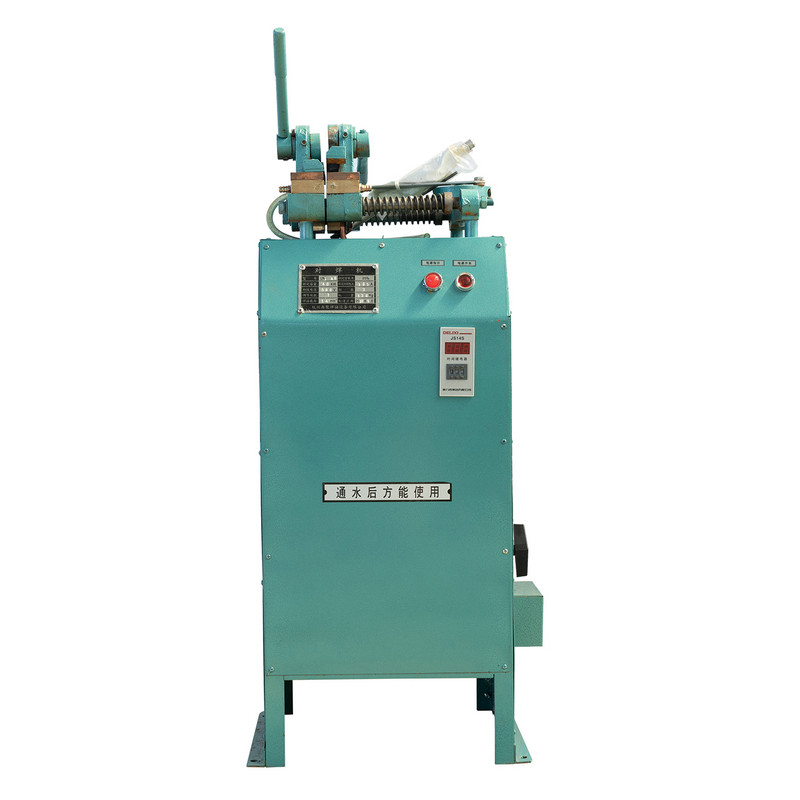
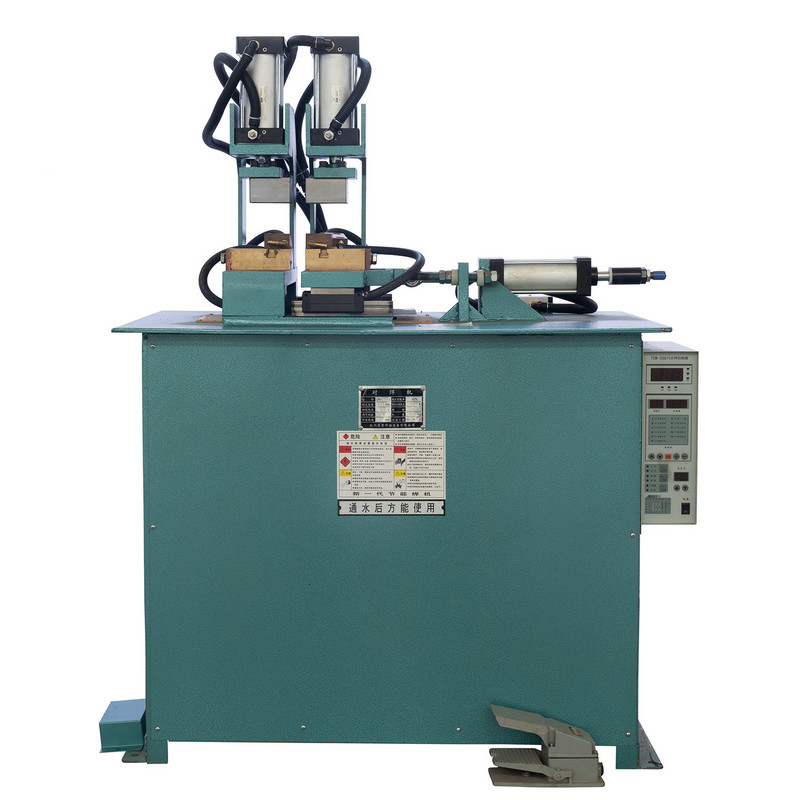
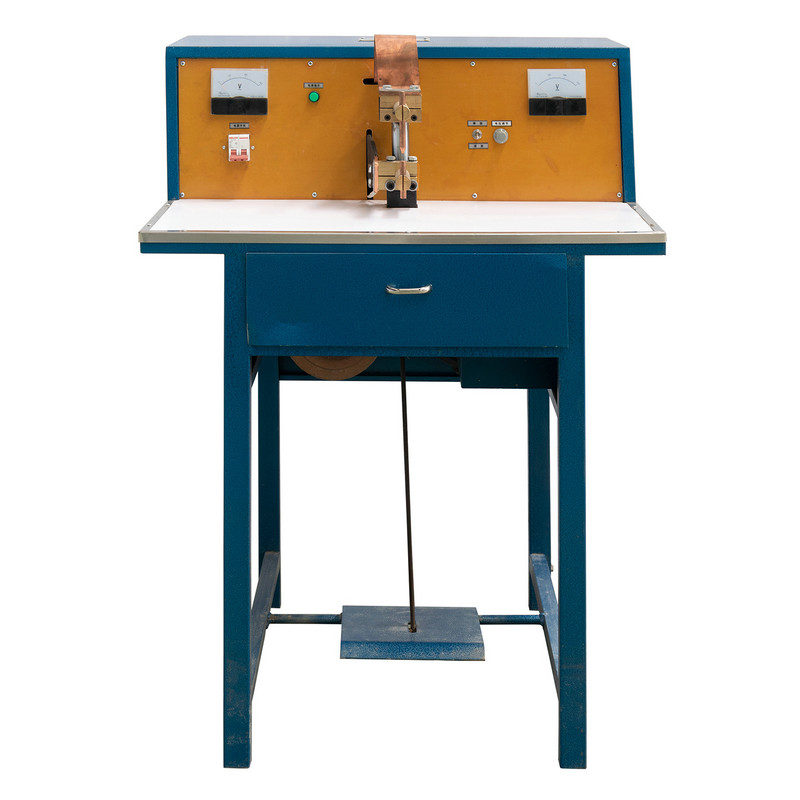
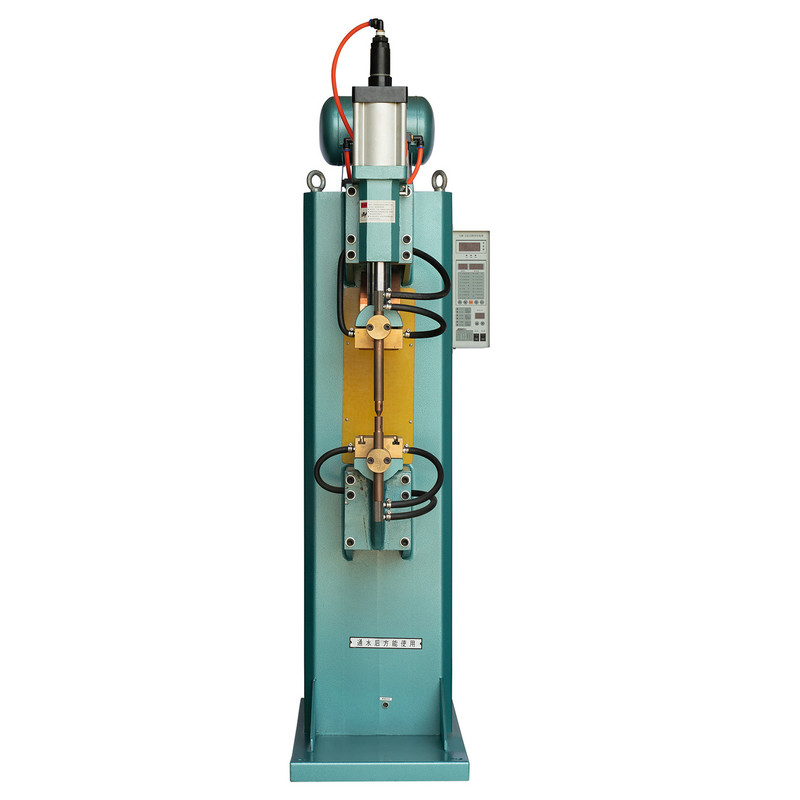
The metal shell gear type ac spot welding machine represents a class of conventional AC-based equipment commonly used for high-volume, cost-sensitive production lines. Despite the growing adoption of MFDC technology, AC spot welding machines remain significant due to their simplicity, lower capital expenditure, and suitability for specific sheet thicknesses and steel types.
Key industry drivers for metal shell spot welding include:
Manufacturing metal shells presents a series of technical challenges that influence the choice between AC and MFDC spot welding:
Material Thickness and Conductivity Variations
Metal shells often use 0.5–2 mm thick sheets. Variations in conductivity, surface coatings, or galvanization layers can impact weld nugget formation and consistency.
Weld Consistency and Defect Control
Common defects include splashing, incomplete fusion, and electrode sticking. Achieving uniform welds across multiple sheet combinations requires precise control over current, pressure, and timing.
Electrode Wear and Maintenance
Electrode tip degradation affects heat distribution, resulting in inconsistent welds. In high-volume production, electrode lifespan is a critical operational metric.
Integration with Automated Production Systems
Metal shell production increasingly relies on robotic or semi-automated assembly. Welding equipment must maintain cycle times, repeatability, and data communication for process monitoring.
Energy Efficiency and Thermal Management
Spot welding is energy-intensive, particularly for high-current AC machines. Effective heat control minimizes thermal distortion of thin shells.
Selecting between AC and MFDC spot welding involves evaluating process requirements, system-level constraints, and operational goals. Key technical considerations include:
| Parameter | AC Spot Welding | MFDC Spot Welding |
|---|---|---|
| Power Source | Mains frequency (50/60 Hz) | Medium-frequency DC (1–5 kHz typical) |
| Current Control | Limited, sinusoidal waveform | Precise, programmable waveform |
| Weld Consistency | Adequate for thin steels, sensitive to tip wear | High consistency across varying material thicknesses |
| Electrode Life | Moderate | Longer, due to reduced arcing |
| Automation Integration | Requires additional sensors for monitoring | Easier digital integration and process logging |
| Capital Cost | Lower | Higher |
| Energy Efficiency | Lower, due to sinusoidal losses | Higher, optimized pulse energy |
| Suitable Materials | Steel, thin aluminum | Steel, aluminum, coated metals, multi-layer sheets |
From a systems engineering perspective, the choice is not merely a component selection; it affects line productivity, quality control, and total cost of ownership (TCO). A metal shell gear type ac spot welding machine can perform efficiently in standardized environments with limited material variability, whereas MFDC is often preferred for complex materials or mixed-gauge production lines.
In the production of washing machine or microwave oven shells, material thickness is relatively uniform (0.6–1.2 mm). A metal shell gear type ac spot welding machine can provide consistent welds with simple control circuits, integrated with conveyor-based production lines.
System architecture considerations:
Automotive gear housings or battery enclosures often require thicker or coated steel. MFDC spot welding is favored here due to higher control over heat input, reducing distortion.
System implications:
Industrial equipment cabinets often combine multiple steel types, including galvanized or stainless layers. AC spot welding machines can be suitable if the material combination is standardized, but system-level monitoring for weld energy and electrode pressure becomes critical.
System-level strategies:
From a systems engineering viewpoint, the welding method affects several key performance indicators:
Weld Quality Consistency
Cycle Time and Throughput
Maintenance and Downtime
Energy Efficiency
Integration with Process Monitoring
Table 2: System-Level Impacts of Welding Method on Metal Shell Production
| System Aspect | AC Spot Welding | MFDC Spot Welding |
|---|---|---|
| Weld Consistency | Moderate | High |
| Throughput | Moderate | High |
| Electrode Maintenance | Frequent | Reduced |
| Energy Usage | Higher | Lower |
| Integration with MES | Requires upgrades | Native support |
| Thermal Distortion | Moderate | Low |
Increased Automation Integration
Intelligent Weld Monitoring
Hybrid Systems
Material and Process Adaptation
Energy Efficiency and Sustainability
Selecting the appropriate spot welding method for metal shell production is fundamentally a systems engineering decision rather than a single-component choice. Key considerations include:
A metal shell gear type ac spot welding machine remains viable for standardized, high-volume production of thin metal enclosures, offering simplicity and lower capital cost. Conversely, MFDC spot welding provides advantages in precision, energy efficiency, and adaptability to complex or multi-gauge metal shells. The optimal solution depends on evaluating the total system performance, reliability, and production goals.
Q1: Can a metal shell gear type ac spot welding machine handle stainless steel sheets?
A1: Yes, AC spot welding machines can weld thin stainless steel sheets, though consistency may vary with electrode wear. Process monitoring is recommended.
Q2: What is the main advantage of MFDC over AC for metal shells?
A2: MFDC offers tighter control of current pulses, reduced thermal distortion, and higher weld consistency, especially for mixed-material or variable thickness applications.
Q3: How frequently should electrodes be maintained on AC machines?
A3: Electrode reshaping or replacement frequency depends on production volume and material type, but in high-volume lines, daily checks are common.
Q4: Is energy efficiency significantly different between AC and MFDC systems?
A4: Yes. AC machines generally consume more power due to sinusoidal losses, whereas MFDC machines optimize pulse energy, reducing overall consumption.
Q5: Can AC spot welding machines be integrated into automated lines?
A5: Yes, integration is possible using sensors and robotic interfaces, though system-level planning is required for monitoring weld consistency.
Recommended Products

Product
Contact Info.
+86-152-5712-5882
Fax: +86-563-2269966
No. 21 Guangping Road, Guangde Economic Development Zone, Guangde City, Anhui Province
QR Code