Language
 English
 русский
 Español

Get A Quote
Get A Quote
 Home / News / Industry News / What is the difference between AC spot welding and DC (Inverter) spot welding?
 2026.05.21
 Industry News
Spot welding is a widely used process in various industries, primarily for joining sheet metals by applying heat and pressure at specific points. It is a critical technology in automotive manufacturing, electronics, and many other sectors. Spot welding typically uses either alternating current (AC) or direct current (DC) as its power source, each offering unique advantages. This article will explore the differences between AC spot welding and DC (inverter) spot welding, focusing on the key characteristics of each method, their applications, and their respective benefits.
AC spot welding utilizes alternating current (AC) to generate heat at the weld point. The AC power alternates in polarity, which leads to heat generation during the positive and negative cycles. This type of welding is commonly used in industries where high current and short weld times are required. AC spot welding is particularly effective for joining materials such as steel, aluminum, and other conductive metals.
DC spot welding, often referred to as inverter spot welding, uses direct current to produce heat at the contact point. Unlike AC welding, DC spot welding has a continuous flow of electricity in one direction, which allows for more precise control over the welding process. Inverter spot welders are typically more efficient and versatile compared to their AC counterparts, and they are widely used in advanced manufacturing processes that require high precision and reliability.
The primary difference between AC and DC spot welding lies in the type of current used and how it influences the welding process. While both methods rely on heat and pressure to create a strong bond, the nature of the current can result in different outcomes for the welded materials.
AC spot welding alternates between positive and negative current cycles, while DC spot welding uses a continuous flow of current in one direction. This difference impacts how the heat is generated and applied to the material.
In AC spot welding, heat is distributed across the material due to the alternating current cycles, making it suitable for thicker materials. In contrast, DC spot welding provides a more focused heat application, which is ideal for thin and delicate materials.
DC spot welding typically results in higher-quality welds due to its consistent heat application, providing a stronger and more reliable bond. AC spot welding can sometimes produce inconsistent welds, especially when working with thinner materials.
AC spot welders are generally simpler and less expensive, making them ideal for large-scale production environments. DC (inverter) welders are more advanced, offering precise control but at a higher cost, making them better suited for specialized applications.
DC spot welding is more energy-efficient due to its continuous current flow and the reduced risk of overheating materials. AC spot welding, on the other hand, can result in more energy loss due to the alternating cycles.
Choosing between AC and DC spot welding largely depends on the materials you're working with and the level of precision required for the application. AC spot welding is perfect for mass production of thicker materials, while DC spot welding provides better control and is ideal for high-precision work on thinner or more delicate materials.
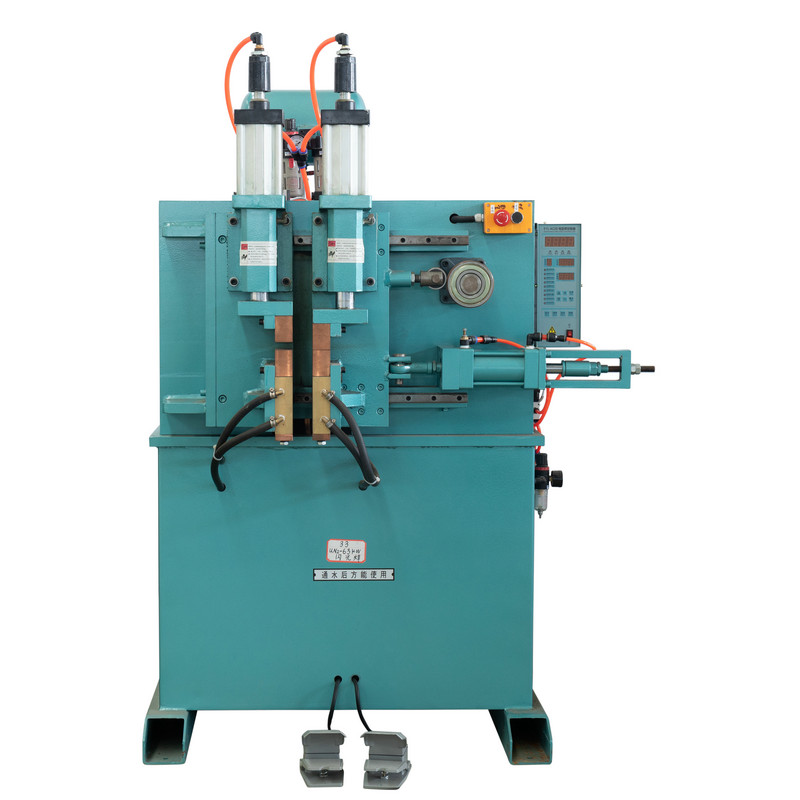
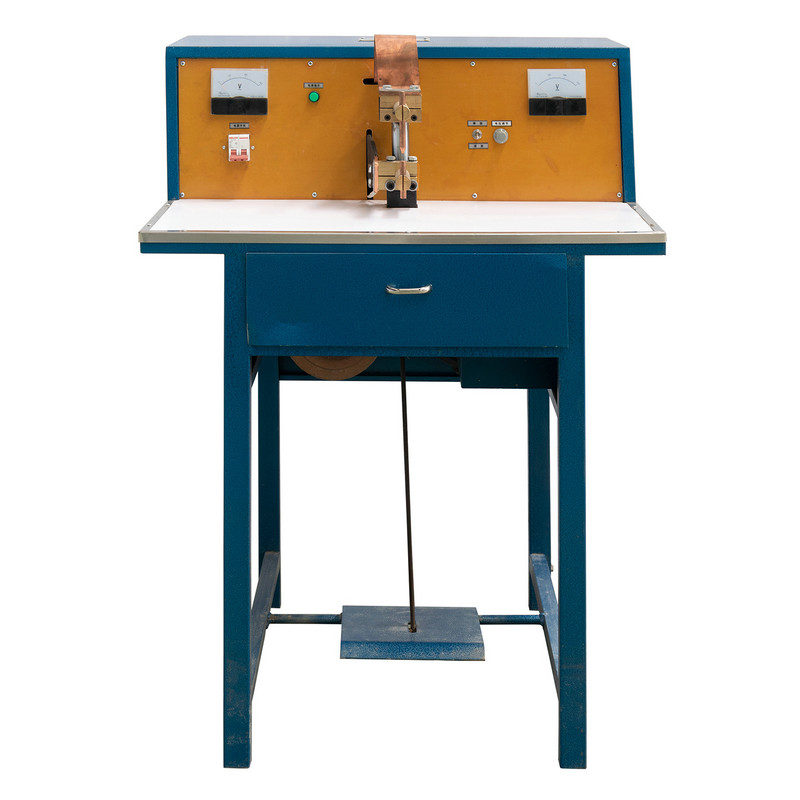
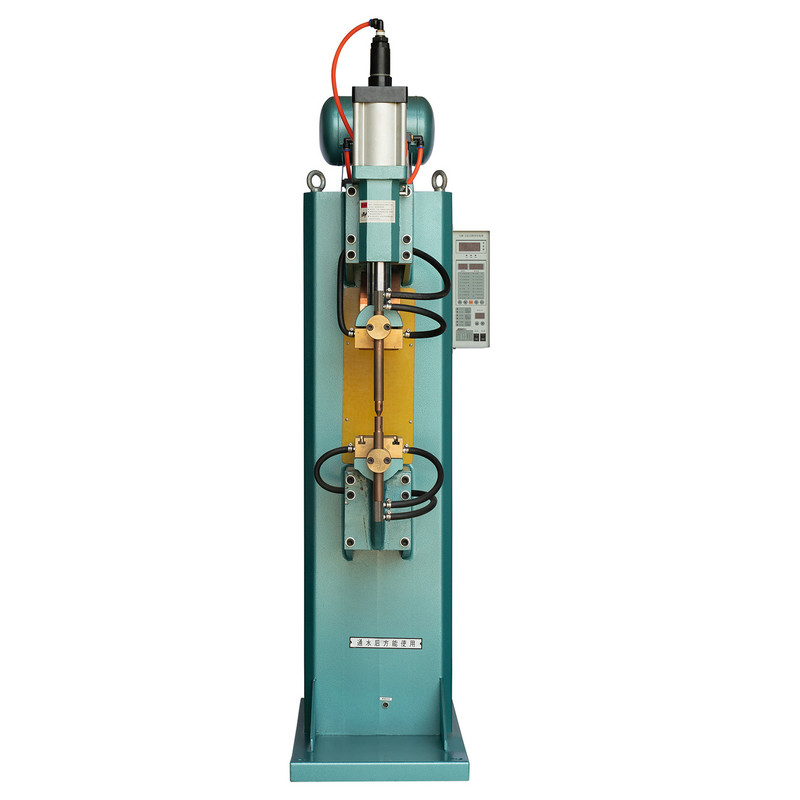
If you're in need of a high-power small-size spot welder that can handle a variety of materials with precision, a High Power Small Size 220v/380v AC Spot Welding Machine may be the ideal choice for your production needs.
A1: AC welding machines alternate between positive and negative current, making them ideal for thicker materials. DC machines use continuous current, providing better control and consistency for thinner materials.
A2: Yes, DC spot welding is often used in automotive manufacturing where precise, high-quality welds are necessary for thinner metal components.
A3: No, DC spot welding is generally more energy-efficient due to its consistent current flow and more controlled heat generation.
A4: DC spot welding is better suited for welding thin materials due to its more controlled and focused heat application.
Recommended Products

Product
Contact Info.
+86-152-5712-5882
Fax: +86-563-2269966
No. 21 Guangping Road, Guangde Economic Development Zone, Guangde City, Anhui Province
QR Code