Language
 English
 русский
 Español

Get A Quote
Get A Quote
 Home / Equipment / DBN Variable Frequency Spot Welding Machine / DBN-125 is mainly used for welding aluminum plates, galvanized plates, etc. inverter frequency spot welding machine
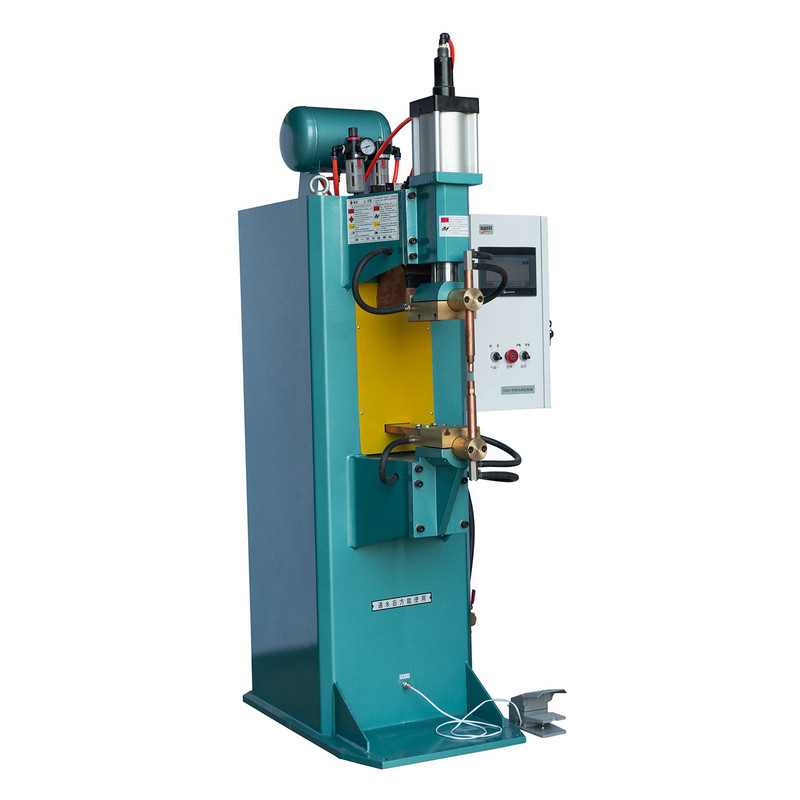
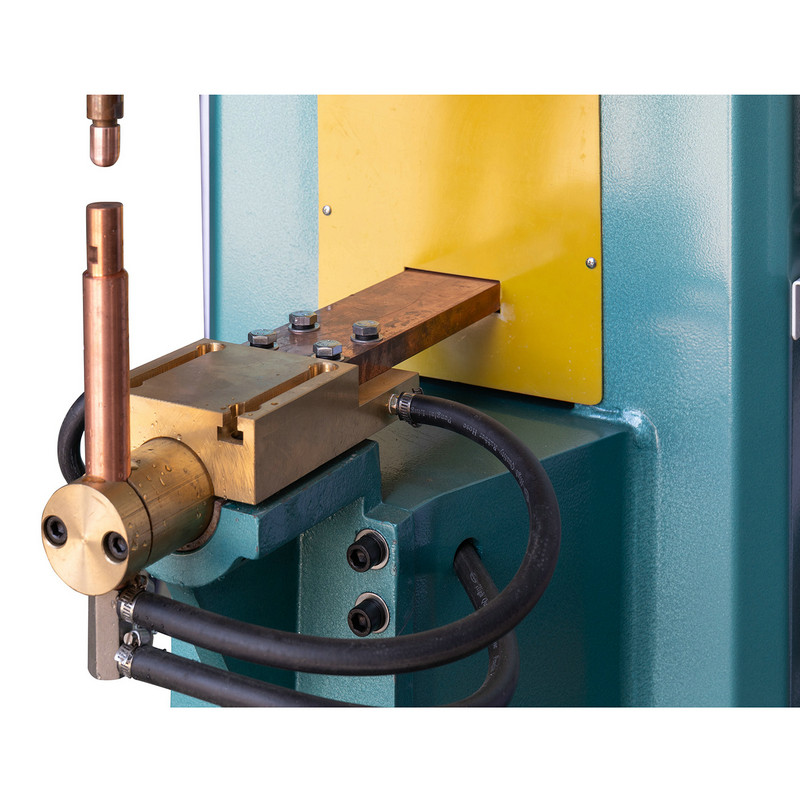
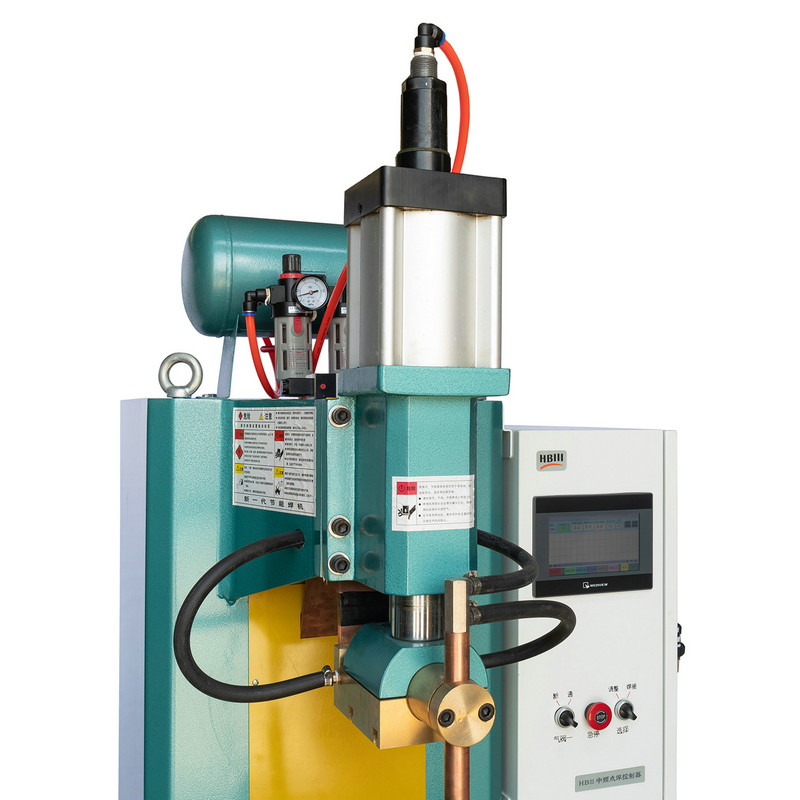
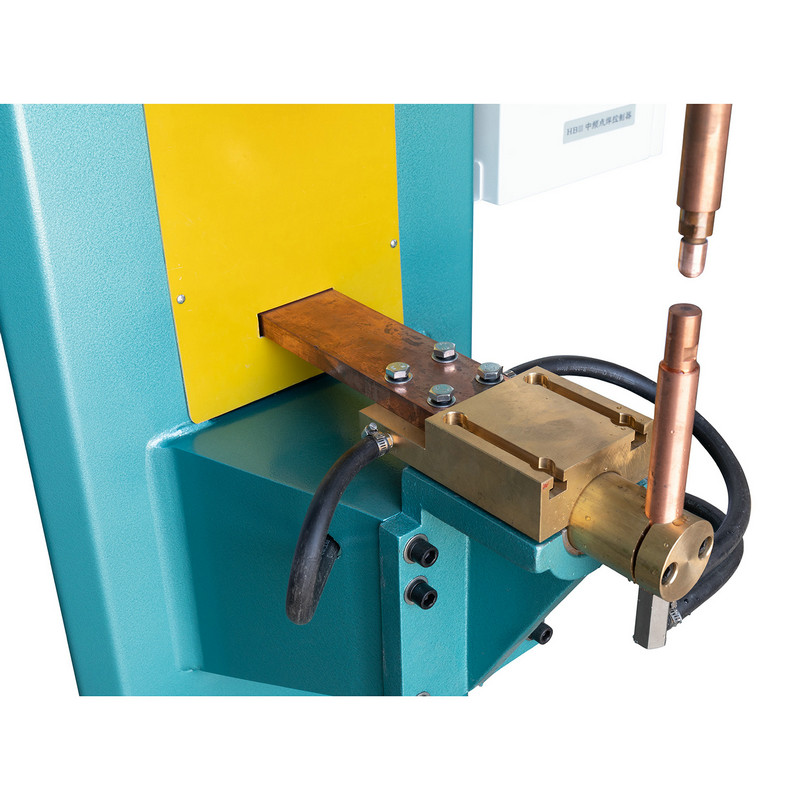
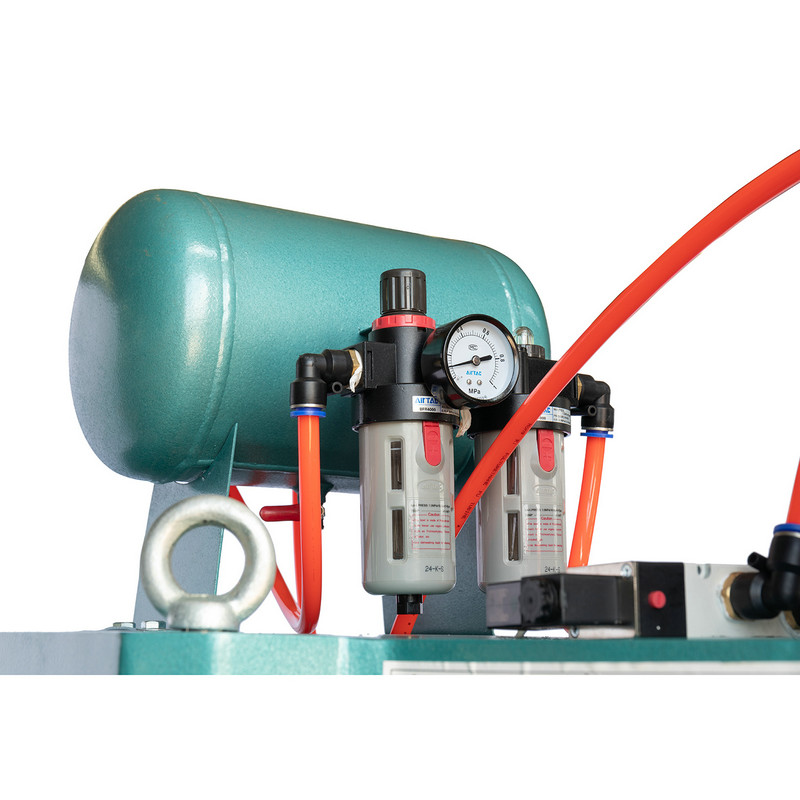
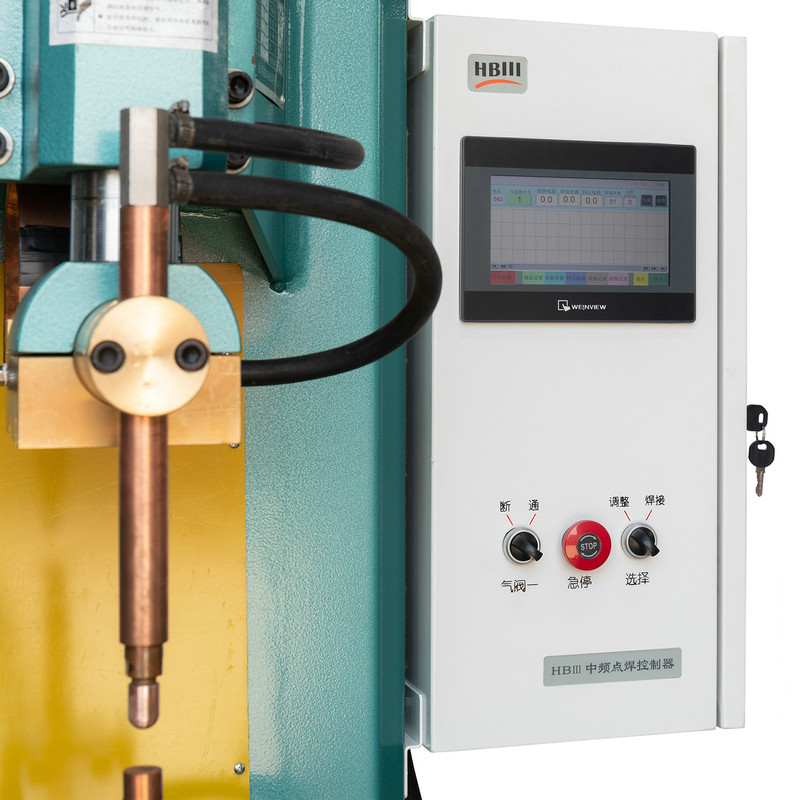
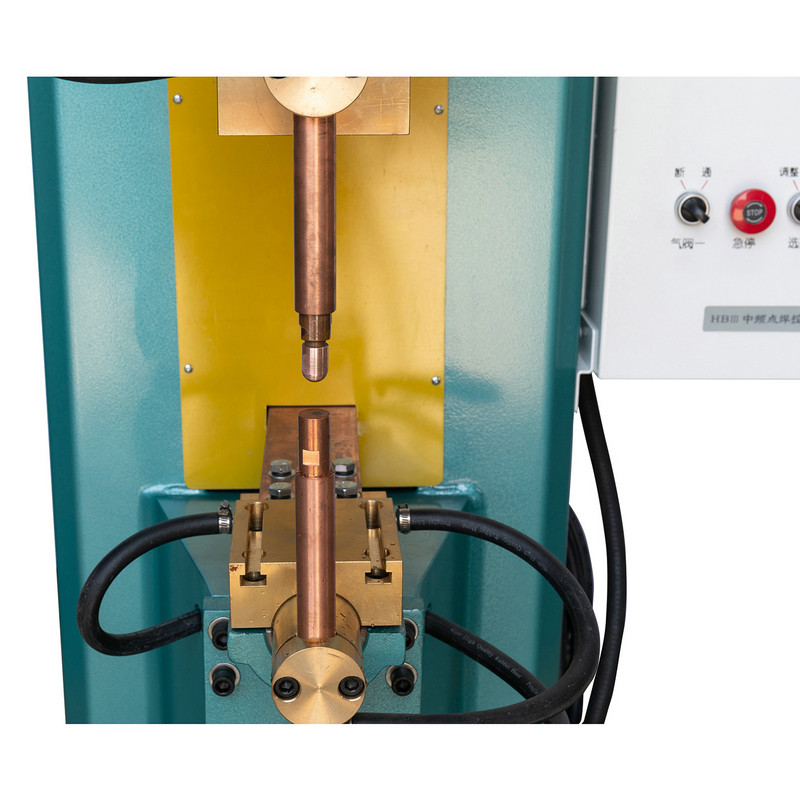
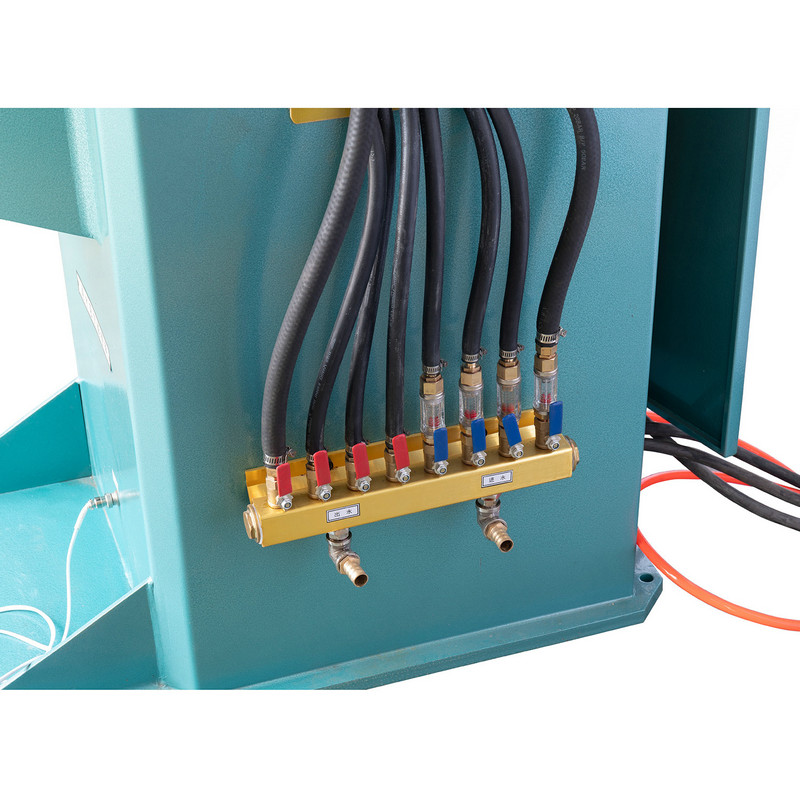
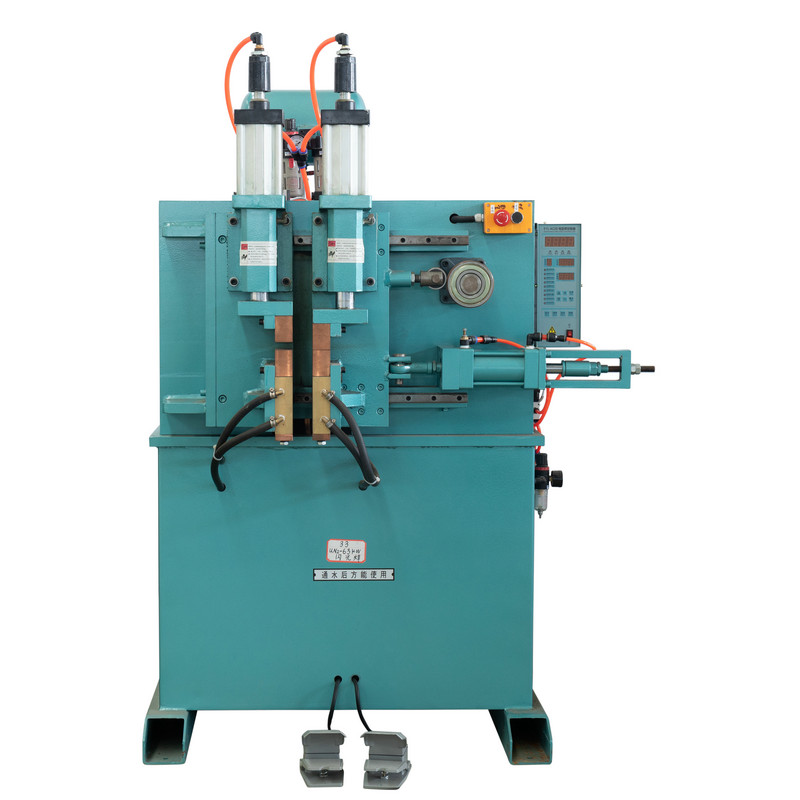
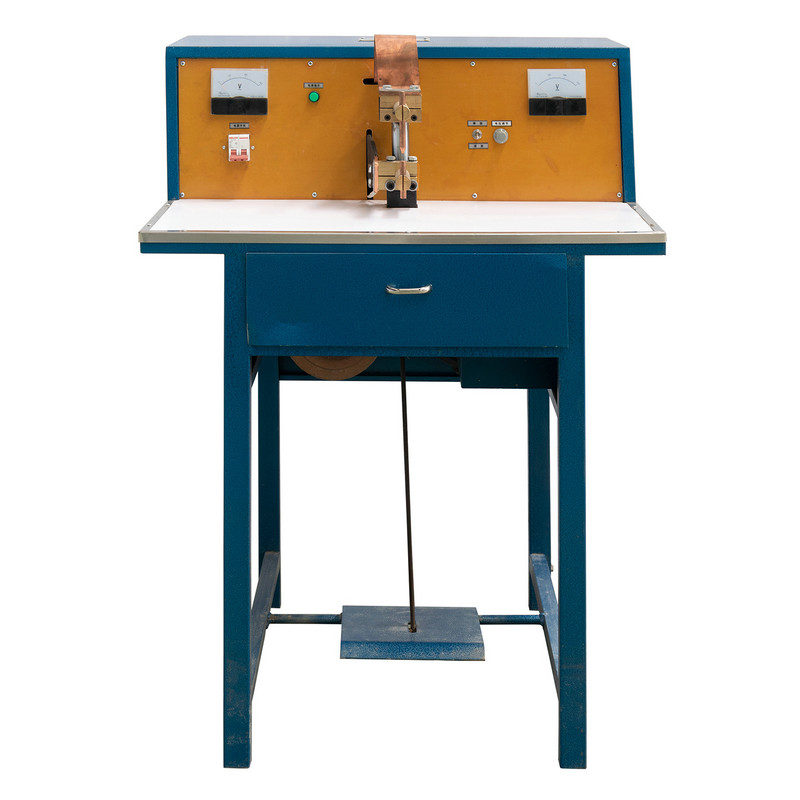
The spot welding machine with frequency conversion technology encompasses a comprehensive design featuring a frame, a pressure application mechanism, a control box, an inverter box, an AC transformer, a gas and water circuitry segment, and a secondary connecting component. It boasts distinctive benefits in applications demanding high load durability. By maintaining three-phase balance and minimizing grid voltage pollution, it significantly enhances welding stability. Consequently, this machine finds extensive application in multi-point projection welding and spot welding of automotive components and various machinery parts.

Specifications
Product Description
The DBN-125 Inverter Frequency Spot Welding Machine is primarily designed for welding aluminum plates, galvanized plates, and other high-conductivity metals. Equipped with advanced frequency conversion technology, this machine ensures stable and efficient welding performance even under high load conditions. Its integrated design combines a robust frame, pressure application mechanism, control and inverter boxes, AC transformer, and gas and water circuits, providing comprehensive functionality for automotive components, machinery parts, and multi-point projection welding applications.
Frequency Conversion Technology:
Converts input voltage to a controlled frequency, improving welding stability, reducing grid voltage pollution, and maintaining three-phase balance.
High Load Durability:
Designed to withstand intensive welding operations, ensuring reliable performance in continuous production environments.
Integrated Design:
The machine includes all critical components—frame, control box, inverter box, AC transformer, pressure mechanism, gas and water circuits, and secondary connections—for seamless operation and easy maintenance.
Material Versatility:
Optimized for aluminum and galvanized steel plates, providing consistent penetration and weld quality across high-conductivity metals.
Application Flexibility:
Suitable for spot welding as well as multi-point projection welding, making it ideal for automotive manufacturing, machinery assembly, and metal fabrication industries.
Operational Efficiency:
Advanced control systems enable precise welding current monitoring, fault alerts, and improved process reliability.
Q1: What materials can the DBN-125 weld?
A1: The machine is designed for aluminum plates, galvanized steel plates, and other high-conductivity metals.
Q2: What is the benefit of inverter frequency technology?
A2: It ensures stable welding currents, reduces electrical noise, and maintains three-phase balance, resulting in consistent weld quality.
Q3: Can it handle multi-point welding?
A3: Yes, the DBN-125 is suitable for multi-point projection welding and spot welding of automotive and machinery components.
Q4: How is the machine controlled?
A4: It features an integrated control box that monitors welding current, provides fault alerts, and allows easy operation and adjustment.
Q5: Is the DBN-125 suitable for continuous production?
A5: Yes, it is built for high load durability, making it ideal for industrial-scale welding operations.
Recommended Products
KEEP IN TOUCH


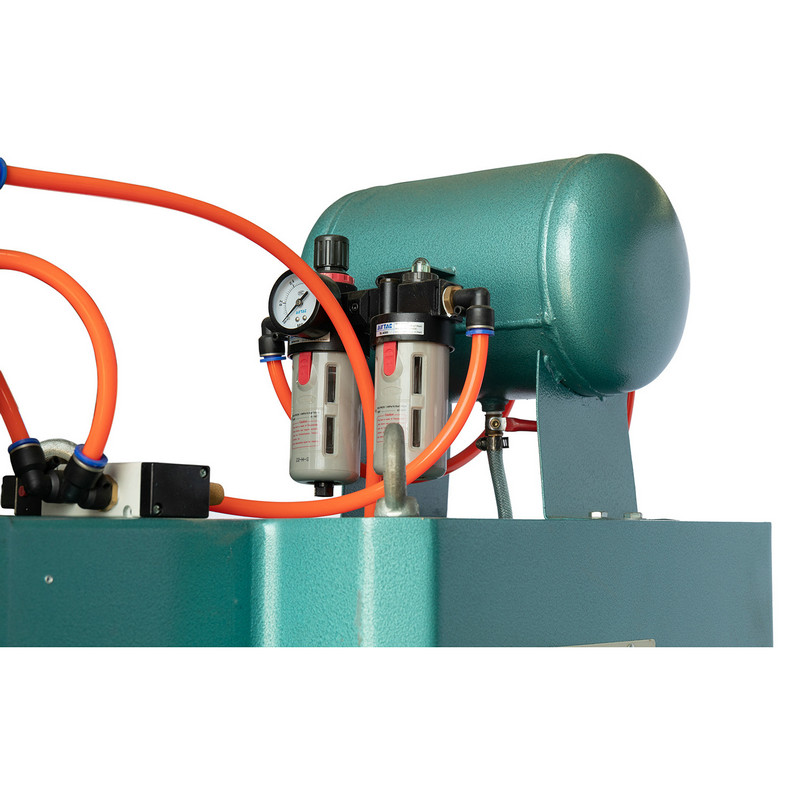
You are setting up a small fabrication shop, and a customer asks whether you can weld 1/8-inch mild steel and also handle some outdoor repair work. The quick answer is: if you want low-cost equipment...
READ MORE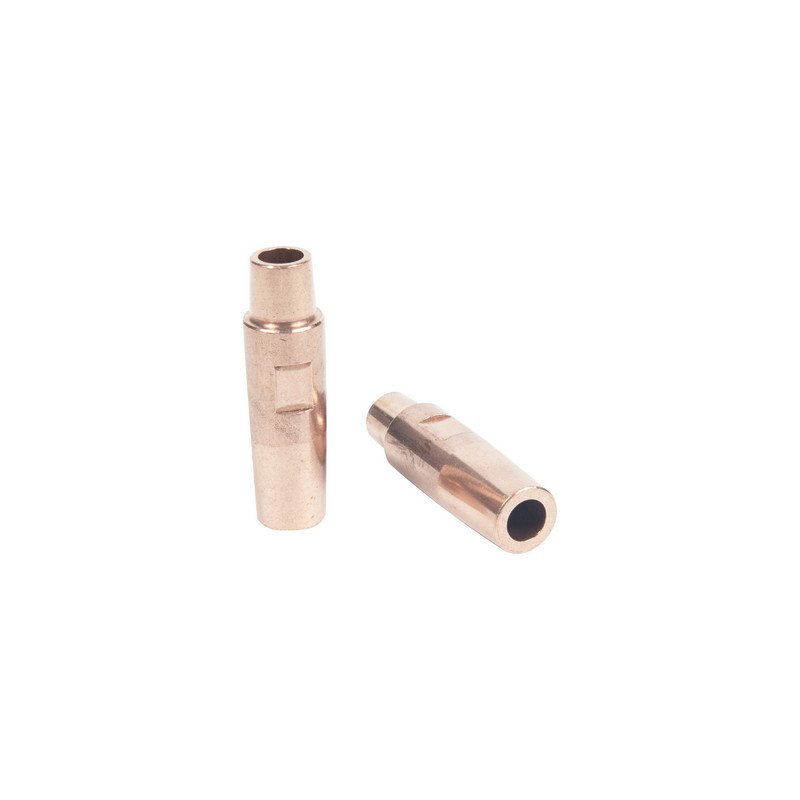
Welding electrodes are not interchangeable. The copper-alloy tip that makes a clean spot weld on stainless steel will burn up quickly if you use it on galvanized sheet metal. Understanding how differ...
READ MORE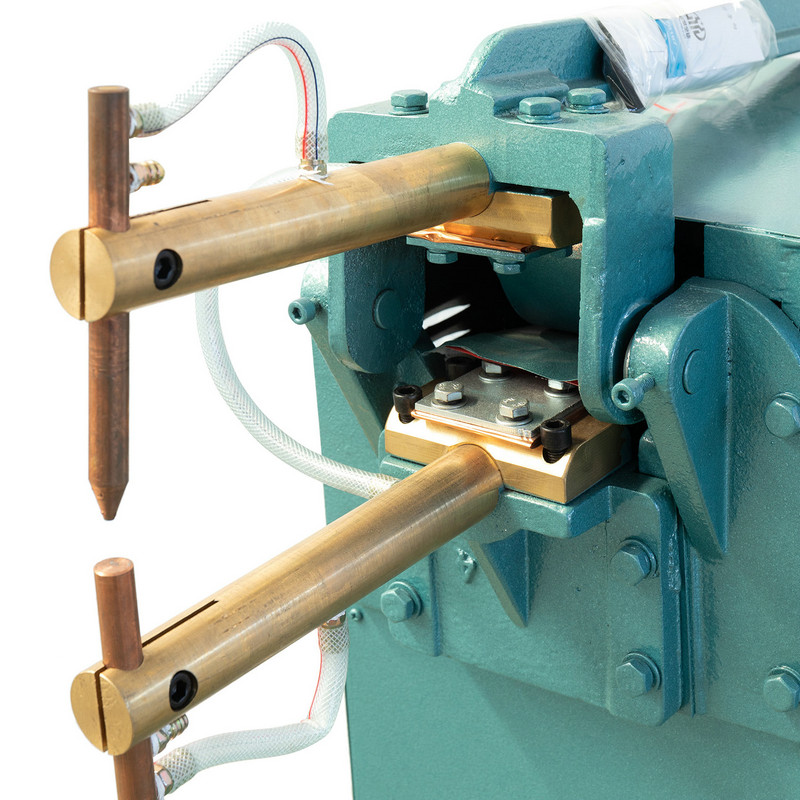
Every weld is a production decision. When you choose an electrical welding machine, you are really choosing how to balance weld quality, cycle time, and operator effort on your floor. After building ...
READ MORE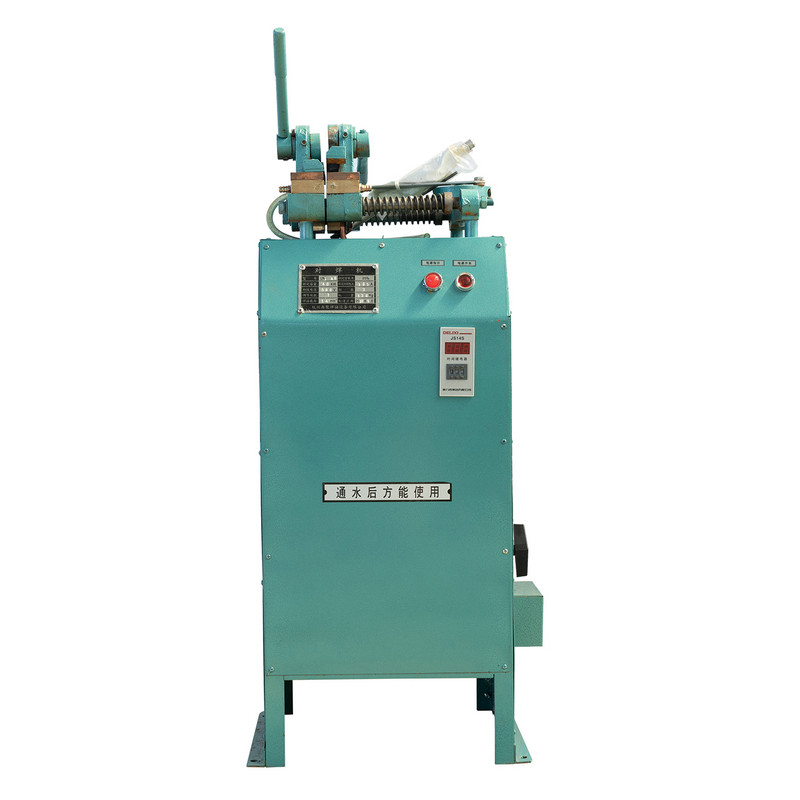
Understanding Resistance Butt Welding and the Role of Flash Weld Technology Joining two metal bar ends face to face without filler material is one of the oldest challenges in metal fabrication, and r...
READ MORE
Understanding Stud Spot Welding Technology Today Fastening components to metal panels without drilling or riveting has become a standard requirement across sheet metal fabrication, shipbuilding, and ...
READ MORE
Spot Welding Machine Categories and How They Differ Resistance spot welding equipment is generally divided by how the electrode force is generated and applied. Mechanical foot-pedal units rely on the...
READ MORE
Product
Contact Info.
+86-152-5712-5882
Fax: +86-563-2269966
No. 21 Guangping Road, Guangde Economic Development Zone, Guangde City, Anhui Province
QR Code