Language
 English
 русский
 Español

Get A Quote
Get A Quote

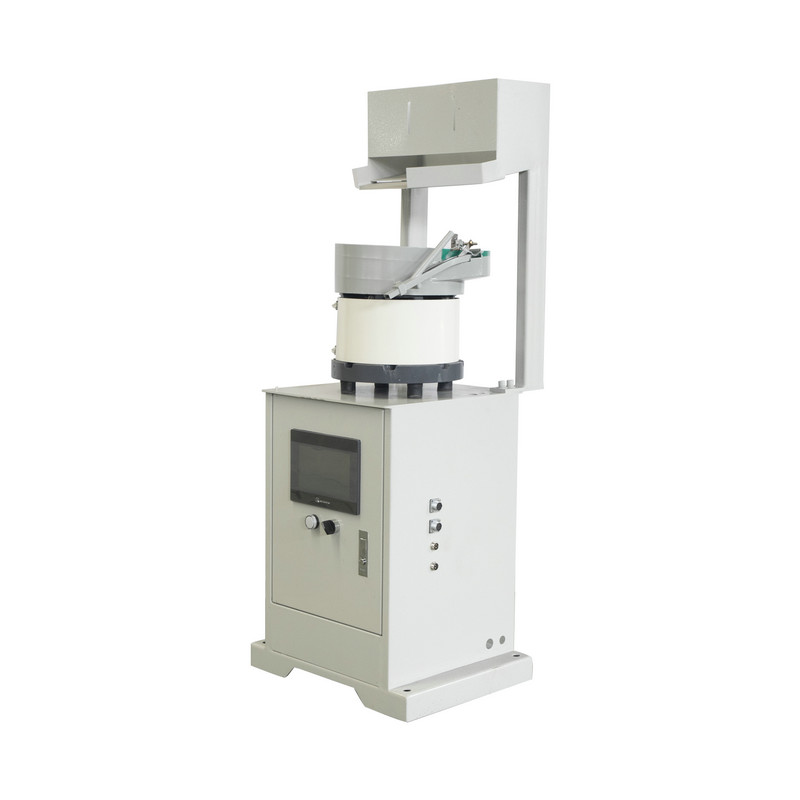
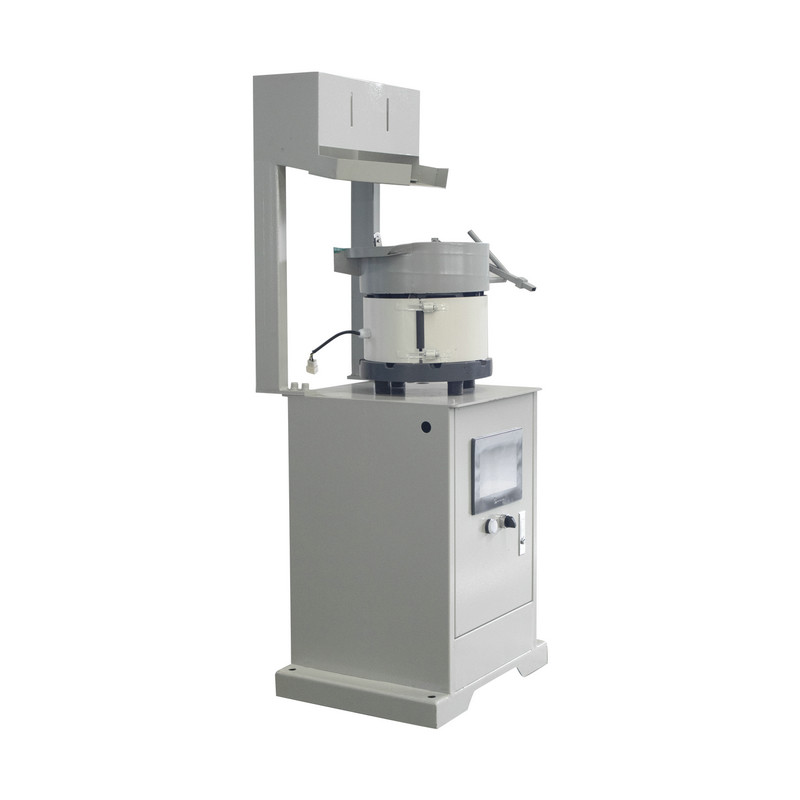
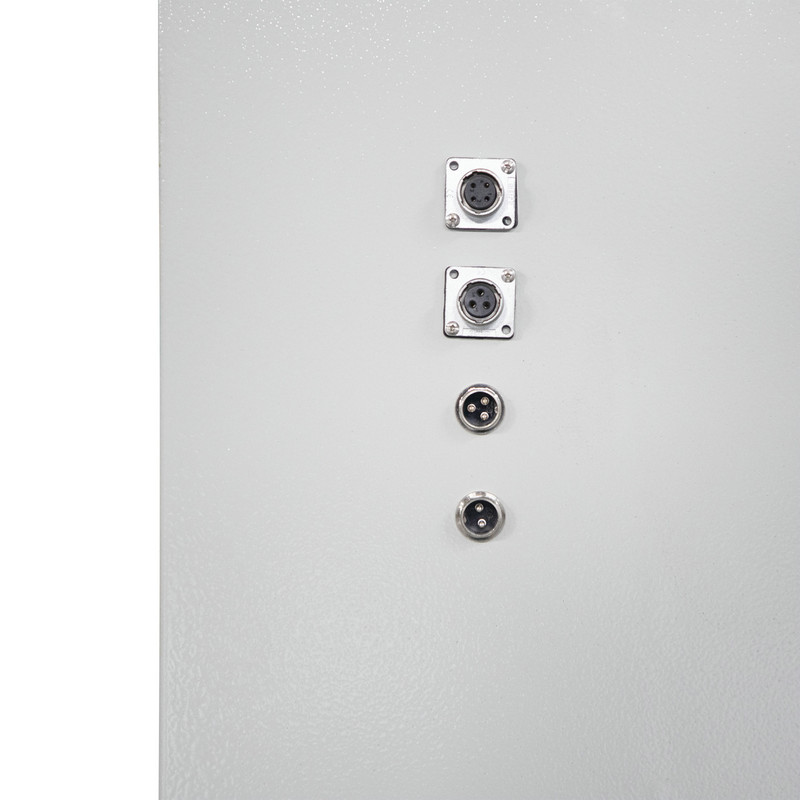
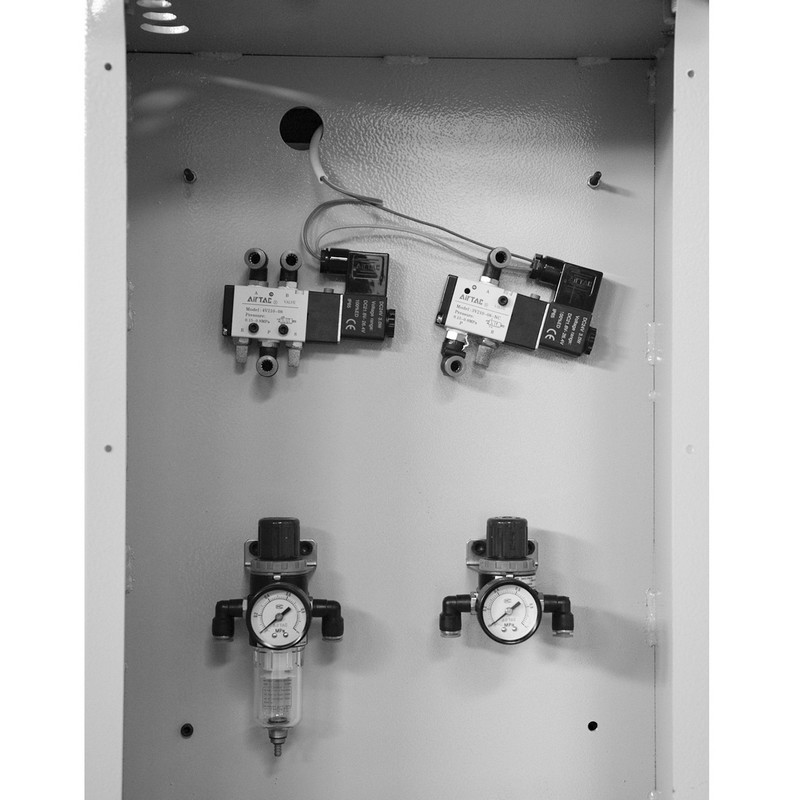
Primarily utilized in automotive manufacturing, shipbuilding, and various other industries where nuts need to be dispatched in tandem with spot welding operations, vibrating nut feeders standardize both the duration and effectiveness of the welding process. These feeders consist essentially of a vibrating plate, a conveying gun, a transport tube, and a control box, collectively enabling the fulfillment of safety, efficiency, and automation demands in production settings.

Specifications
|
Model |
Unit |
Nut conveyor |
|
Voltage supply / Frequency |
V/Hz |
220/50 |
|
Working pressure of compressed air |
MPa |
0.3-0.5 |
|
Maximum pressure of compressed air |
MPa |
0.9 |
|
Use nut size |
- |
M5 M6 M8 M5 M12.7 M16 |
|
Applicable nut shape |
- |
Four corners/six corners/ circular Hexagon circular |
|
Nut supply capacity |
- |
Standard four corners about30-60unit/min |
|
Size of vibrating disc |
mm |
High 320mm Diameter 25/300mm |
|
Nut capacity |
Unit |
3000个以上 |
|
Length of conveying pipe |
mm |
2000左右 |
|
Applicable gas pipe size |
- |
InletФ10 OtherФ8 |
Product Description
The M4-M16 Robot Module is specifically designed for automated nut feeding and assembly processes in industries such as automotive manufacturing, shipbuilding, and heavy machinery production. By integrating seamlessly with robotic arms and spot welding systems, it ensures consistent delivery of M4 to M16 nuts, improving welding accuracy, efficiency, and production safety. The module facilitates a highly automated workflow, minimizing manual intervention while maintaining a reliable and continuous supply of nuts for precision assembly tasks.
Key Features and Advantages:
Q1: What nut sizes does the M4-M16 Robot Module support?
A: It supports standard M4 to M16 nuts, covering most industrial assembly requirements.
Q2: Can this module integrate with existing robotic spot welding systems?
A: Yes, it is designed for seamless integration with robotic arms and automated welding machines, ensuring efficient workflow.
Q3: How does the module improve production efficiency?
A: By providing continuous and accurate nut delivery, it reduces manual intervention and standardizes welding operations, improving overall productivity.
Q4: What safety features are included?
A: The system minimizes manual handling of nuts, includes controlled feeding mechanisms, and supports programmable operation to enhance workplace safety.
Q5: Is it suitable for high-volume manufacturing?
A: Yes, the module is engineered for high-speed and continuous production, making it ideal for automotive, shipbuilding, and heavy machinery industries.
Recommended Products
KEEP IN TOUCH
You are setting up a small fabrication shop, and a customer asks whether you can weld 1/8-inch mild steel and also handle some outdoor repair work. The quick answer is: if you want low-cost equipment...
READ MORE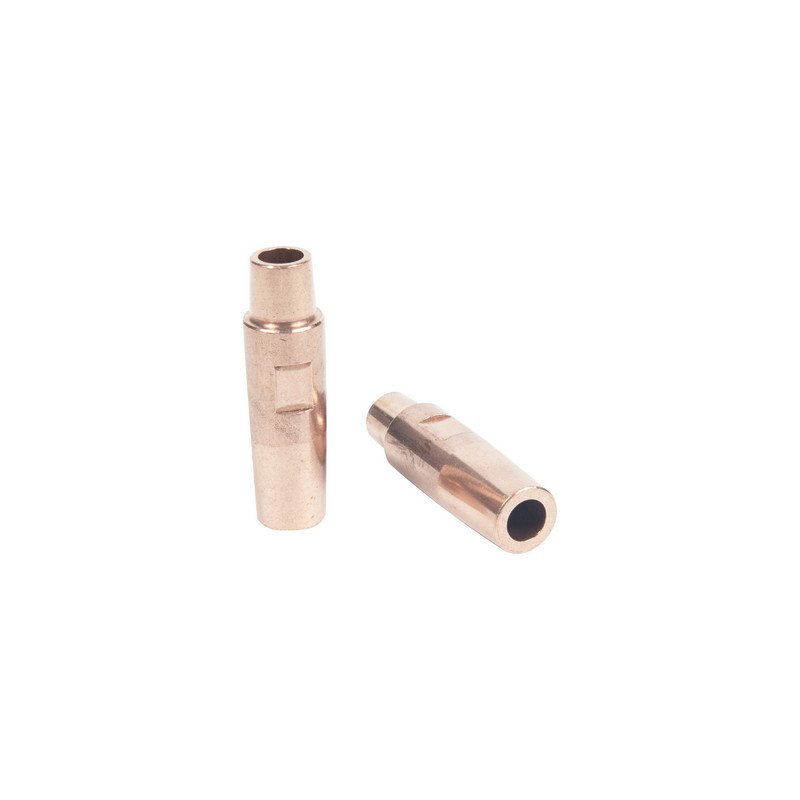
Welding electrodes are not interchangeable. The copper-alloy tip that makes a clean spot weld on stainless steel will burn up quickly if you use it on galvanized sheet metal. Understanding how differ...
READ MORE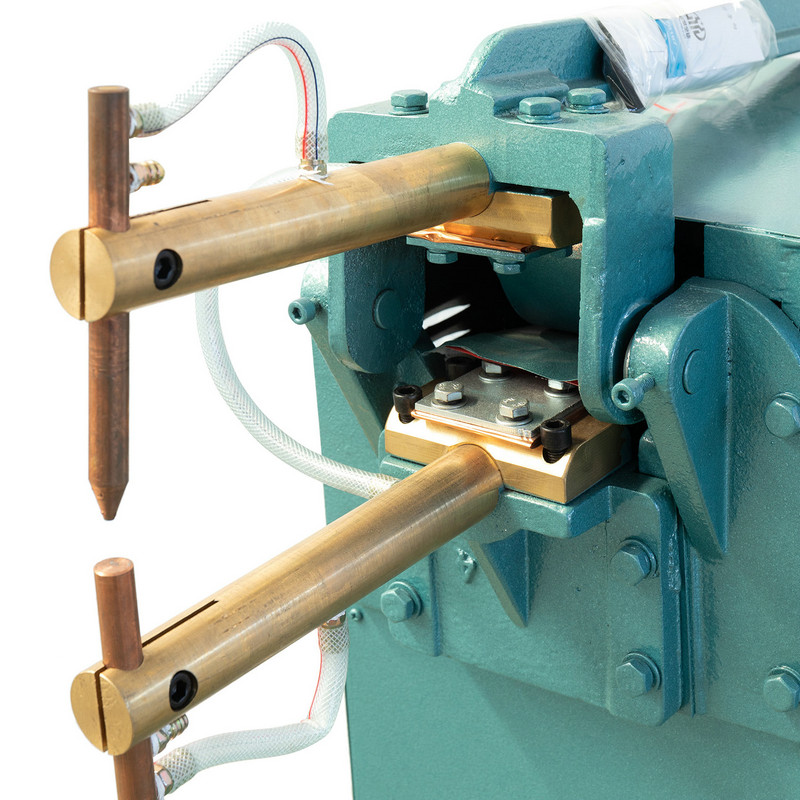
Every weld is a production decision. When you choose an electrical welding machine, you are really choosing how to balance weld quality, cycle time, and operator effort on your floor. After building ...
READ MORE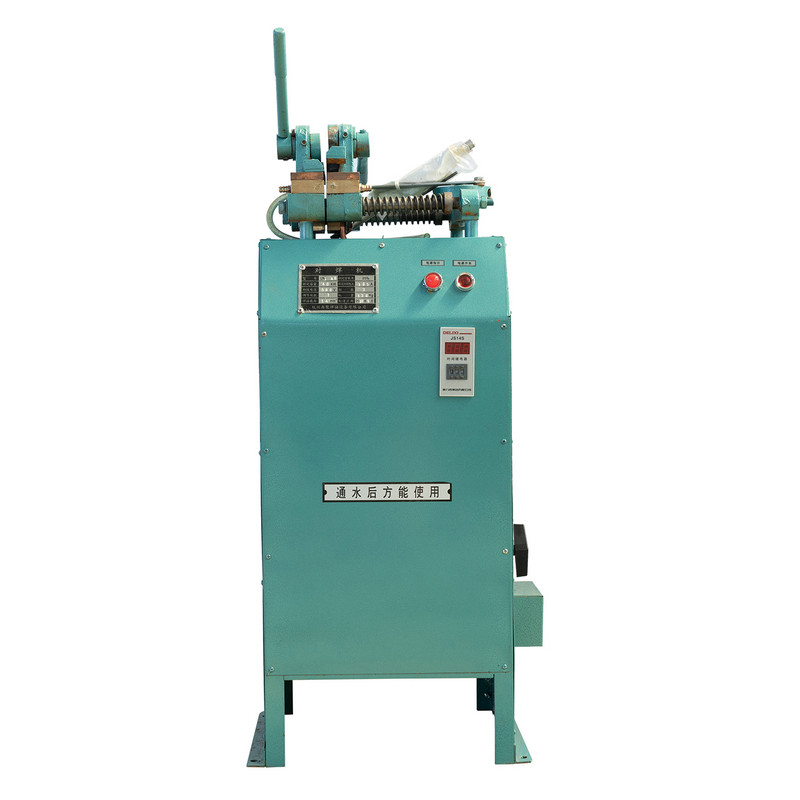
Understanding Resistance Butt Welding and the Role of Flash Weld Technology Joining two metal bar ends face to face without filler material is one of the oldest challenges in metal fabrication, and r...
READ MORE
Understanding Stud Spot Welding Technology Today Fastening components to metal panels without drilling or riveting has become a standard requirement across sheet metal fabrication, shipbuilding, and ...
READ MORE
Spot Welding Machine Categories and How They Differ Resistance spot welding equipment is generally divided by how the electrode force is generated and applied. Mechanical foot-pedal units rely on the...
READ MORE
Product
Contact Info.
+86-152-5712-5882
Fax: +86-563-2269966
No. 21 Guangping Road, Guangde Economic Development Zone, Guangde City, Anhui Province
QR Code